GLP-1 Friendly Ground to Bottle Sip the difference

Rooted in Science. Grounded in Nature.

Discover the remarkable story of American elderberry and why this regenerative crop sits at the heart of LionBerry.

The Dark Berry

American elderberry has been called one of nature's most remarkable plants. Discover why this regenerative crop is gaining attention for its rich phytonutrients, deep roots, and potential to support healthier farms, healthier communities, and a healthier future.

Metabolic Recovery

Hydration, nutrition, gut health, and recovery are deeply connected. Explore how LionBerry was inspired by emerging conversations around metabolic wellness, healthy lifestyles, and the body's natural recovery pathways.

THE POWER BEHIND THE BERRY

American elderberry is more than a dark berry — it's a regenerative plant with deep roots, rich color, and a long history of traditional use.

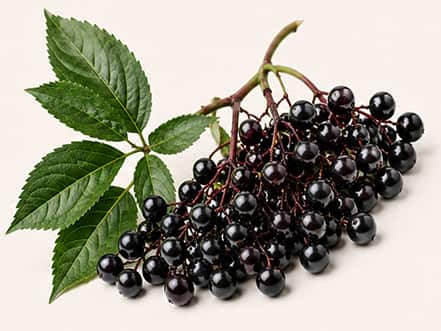
AMERICAN ELDERBERRY

Rich in anthocyanins, polyphenols, and natural plant pigments.
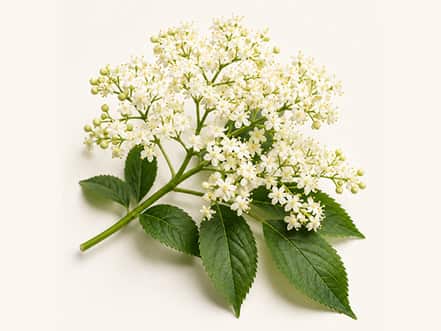
ELDERFLOWER

Traditionally used to support immune health and overall well-being.

LION'S MANE

Traditionally used to support focus, mood, and clarity.
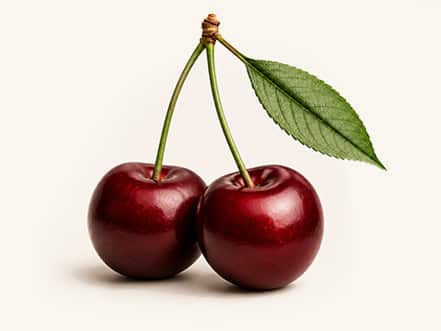
TART CHERRY

Known for polyphenols and recovery-supportive antioxidants.

ROOTED IN REAL INGREDIENTS. CRAFTED FOR CLEAN HYDRATION.

Elderberry & Lion’s Mane Drink with the goal of Brain & Immune Support

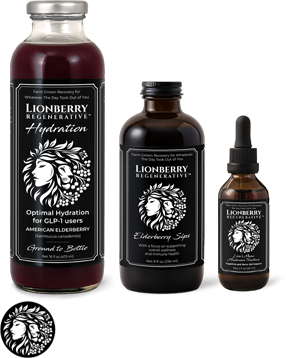
Lionberry is a small-batch elderberry and Lion’s Mane drink designed to support clean clarity and immune strength. Enjoy it cold for a refreshing, functional boost without the sugar crash.

Ground to Bottle

Sip the difference

  • Regenerative Hydration
  • Elderberry Sips
  • Lion’s Mane Tincture

REGENERATIVE
BY NATURE

Grown on real farms using regenerative practices that heal soil and support biodiversity.

ROOTED IN
COMMUNITY

We partner with small farms and communities to create a stronger, more resilient food system.

MADE WITH
PURPOSE

Every bottle is crafted with clean ingredients with commitment to your health and the planet.

FROM FARM
TO BOTTLE

Carefully crafted in small batches for uncompromising quality, purity, and taste.

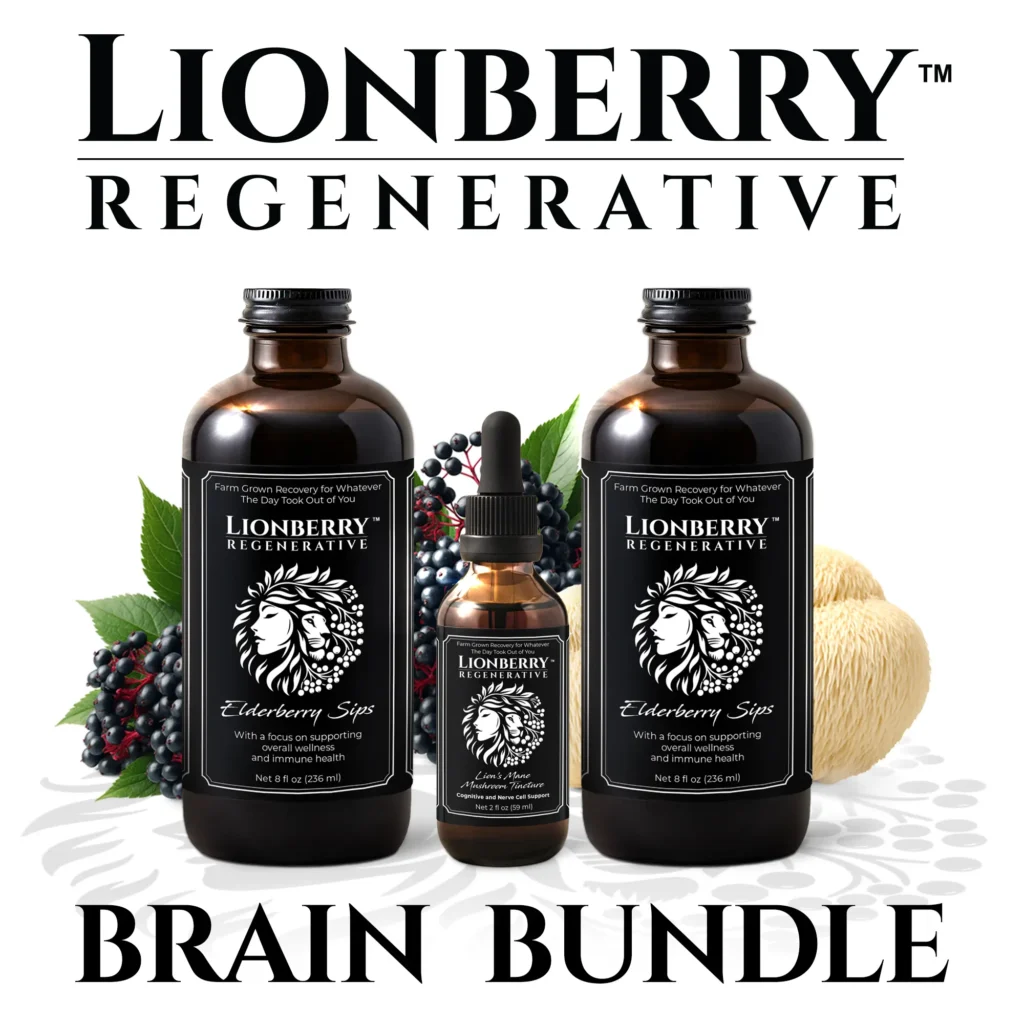
The

Brain Bundle.

Save $20

every 3 Months!

  • 2 x 8oz Elderberry Sips
  • 1 x Lionsmane Mushroom Tincture

Shipped to your door.

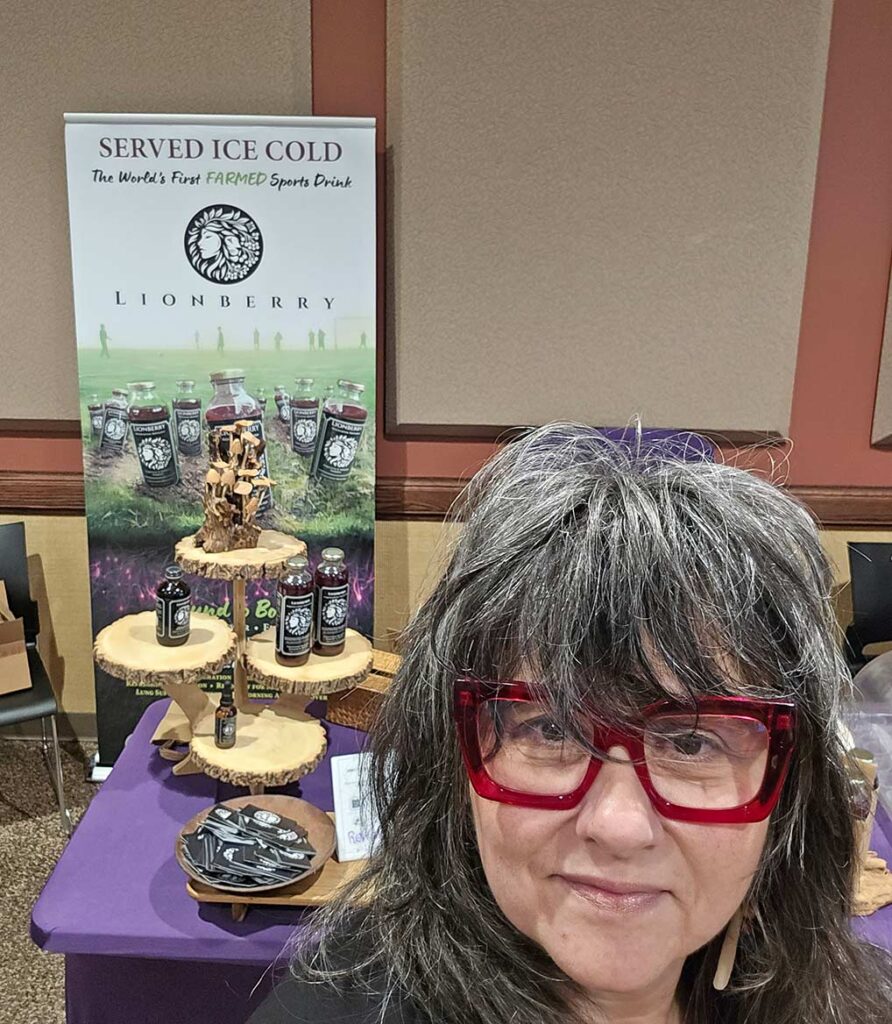
State of the art facility at Myers Mushrooms processing and bottling Elderberry Sips, Elderflower Tea, Lion's Mane Mushroom Extract, and Lionberry Regenative Hydration Recovery Drink.
Experience the difference nature may help with. From brain health and immune support to clean, farm-grown hydration, Lionberry was crafted to help you think clearer, recover faster, and feel your best—without the junk found in typical drinks.

K-State Food Innovation Accelerator

The Food Innovation Accelerator at Kansas State University Olathe provides certified commercial kitchens and expert support for food entrepreneurs. It’s where Lionberry crafts and refines its small-batch, natural beverage products—leveraging state-of-the-art equipment and food-safety resources to ensure premium quality and consistency from concept to bottle.

METABOLIC RECOVERY – The Next Phase of the GLP-1 Conversation: Metabolic Recovery

Lionberry 's Weekly Delusion and Re-illusion Update.

For the last two years, we’ve been talking about GLP-1 drugs.

Ozempic. Wegovy. Zepbound.

They work.

They reduce appetite, improve blood sugar regulation, and are reshaping metabolic health at scale. This is one of the most significant shifts we’ve seen in decades (Wilding et al., 2021).

But a quieter question is starting to emerge:

What happens after?

Because many people eventually discontinue these medications. They’re expensive, often require ongoing use, and studies have shown substantial weight regain can occur after discontinuation of GLP-1 therapies (Wilding et al., 2022).

Not because people failed.

Because the system that was being supported… is no longer being supported.

I believe we’re entering a new phase of this conversation.

Not just weight loss.

Not just appetite suppression.

But metabolic recovery.

What does the body need to help maintain stability after intervention?

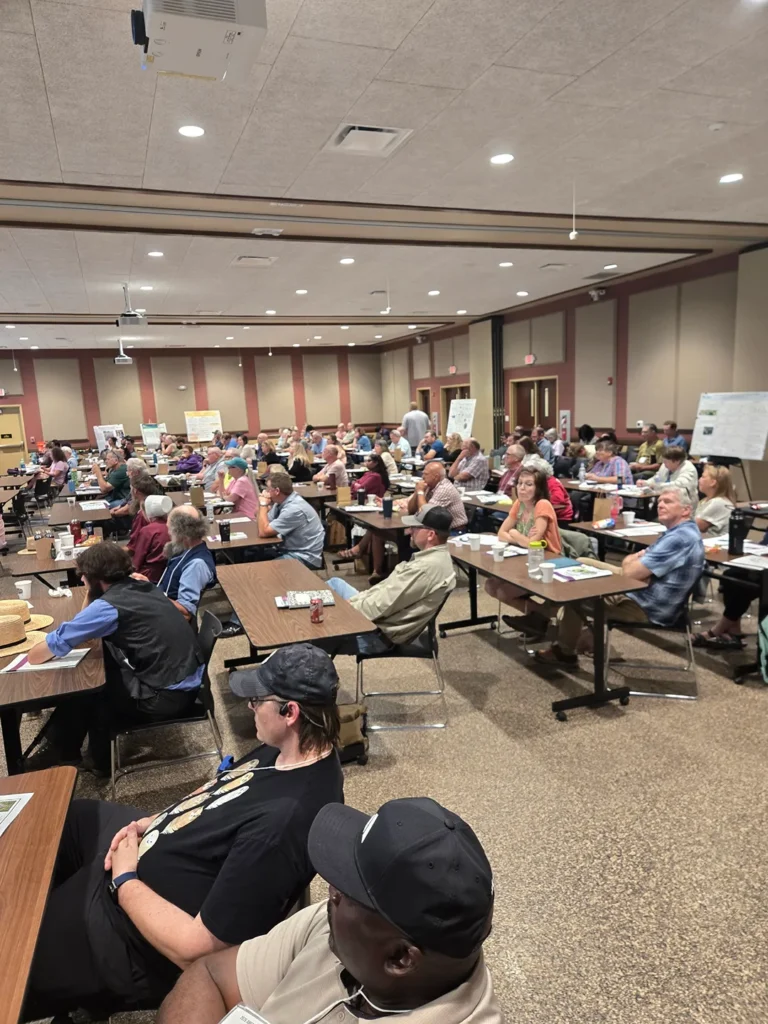
The Washington State University elderberry study led by Professor Patrick Solverson and colleagues, published in 2024, caught my attention immediately (Solverson et al., 2024). Last summer, I also had the opportunity to hear the research presented during the International Elderberry Symposium.

As both an elderberry farmer and a value-added product maker, I was excited to see rigorous science emerging around American elderberry — but also genuinely curious why it wasn’t making larger headlines.

Because the findings were interesting.

In the randomized controlled trial, participants consuming 100% American elderberry juice for one week demonstrated:

  • Reduced blood glucose
  • Lower insulin levels
  • Increased fat oxidation
  • Measurable shifts in gut microbiome activity (Solverson et al., 2024)

Not a miracle.

Not hype.

But a signal.

Because the mechanism matters.

One detail that makes American elderberry especially interesting is that its anthocyanin profile appears to differ from many other dark berries.

American elderberry (Sambucus canadensis) contains significant amounts of acylated anthocyanins — particularly acylated cyanidin-based compounds connected to hydroxycinnamic acid groups (Lee & Finn, 2007; Özgen et al., 2010). These acyl groups alter the chemistry and stability of the anthocyanin molecule.

Why does that matter?

Research suggests acylated anthocyanins demonstrate greater resistance to heat, oxidation, light degradation, and digestive breakdown compared to many non-acylated anthocyanins commonly found in fruits such as blackberries and in many European elderberry varieties (Sadilova et al., 2006; Fuleki & Francis, 1968).

That stability may matter biologically because it potentially allows more intact anthocyanin compounds to survive processing, storage, digestion, and interaction with the gut microbiome.

European elderberry (Sambucus nigra) contains a different anthocyanin composition, dominated more heavily by non-acylated cyanidin 3-glucoside and cyanidin 3-sambubioside compounds (Lee & Finn, 2007). Other berries absolutely contain beneficial anthocyanins too — but American elderberry appears to possess a somewhat distinct anthocyanin architecture that researchers are still working to fully understand.

Researchers believe these anthocyanins interact with the gut microbiome, helping generate short-chain fatty acids and downstream metabolites associated with insulin sensitivity, inflammation regulation, and endogenous GLP-1 signaling pathways (Chambers et al., 2018; Solverson et al., 2024).

Not synthetically.

Endogenously.

Through food and the gut microbiome.

To me, this is where the conversation may be heading next.

Not:

“What replaces GLP-1 drugs?”

But:

“What helps support the body alongside them — and after them?”

Or even:

“What supports metabolic health for people who never start them at all?”

For too long, metabolism has been framed as something we “fix.”

I think we’re moving toward something different:

Metabolism as something we support daily — through food, hydration, gut health, and the biological systems we nourish over time.

For the past year, I’ve been quietly studying this space and building around one core idea:

There may be a meaningful role for real functional food in the GLP-1 era — not as a replacement for medicine, but as nutritional support alongside metabolic health journeys.

Not a shortcut.

A system.

We’re still early in this conversation.

But if the last few years were about intervention…

the next few may be about recovery.

Curious what others in food, agriculture, metabolic health, and functional wellness are seeing emerge in this space.

— Bevin Brooks

References

Solverson, P., Teets, C., Rust, B., Johnson, S.A., et al. (2024). A One-Week Elderberry Juice Intervention Augments the Fecal Microbiota and Suggests Improvement in Glucose Tolerance and Fat Oxidation in a Randomized Controlled Trial. Nutrients, 16(20), 3555.

Wilding, J.P.H., Batterham, R.L., Calanna, S., et al. (2021). Once-Weekly Semaglutide in Adults with Overweight or Obesity. New England Journal of Medicine, 384(11), 989–1002.

Wilding, J.P.H., Jacobsen, L.V., le Roux, C.W., et al. (2022). Weight regain and cardiometabolic effects after withdrawal of semaglutide: The STEP 1 trial extension. Diabetes, Obesity and Metabolism, 24(8), 1553–1564.

Lee, J., & Finn, C.E. (2007). Anthocyanins and Other Polyphenolics in American Elderberry (Sambucus canadensis) and European Elderberry (Sambucus nigra) Cultivars. Journal of the Science of Food and Agriculture, 87(14), 2665–2675.

Özgen, M., Scheerens, J.C., Reese, R.N., & Miller, R.A. (2010). Total Phenolic, Anthocyanin Contents and Antioxidant Capacity of Selected Elderberry Accessions. Pharmacognosy Magazine, 6(23), 198–203.

Sadilova, E., Stintzing, F.C., & Carle, R. (2006). Thermal degradation of acylated and nonacylated anthocyanins. Journal of Food Science, 71(8), C504–C512.

Fuleki, T., & Francis, F.J. (1968). Quantitative Methods for Anthocyanins: Stability of Elderberry Pigments. Journal of Food Science, 33(1), 72–79.

Chambers, E.S., Preston, T., Frost, G., & Morrison, D.J. (2018). Role of Gut Microbiota-Generated Short-Chain Fatty Acids in Metabolic and Cardiovascular Health. Current Nutrition Reports, 7, 198–206.