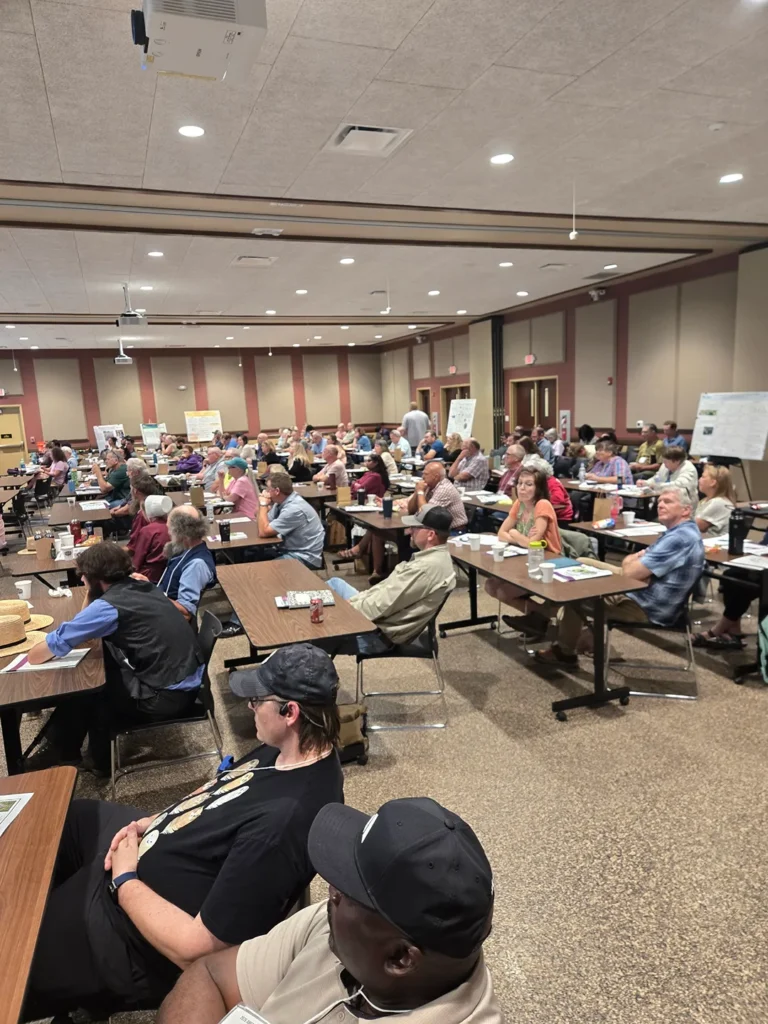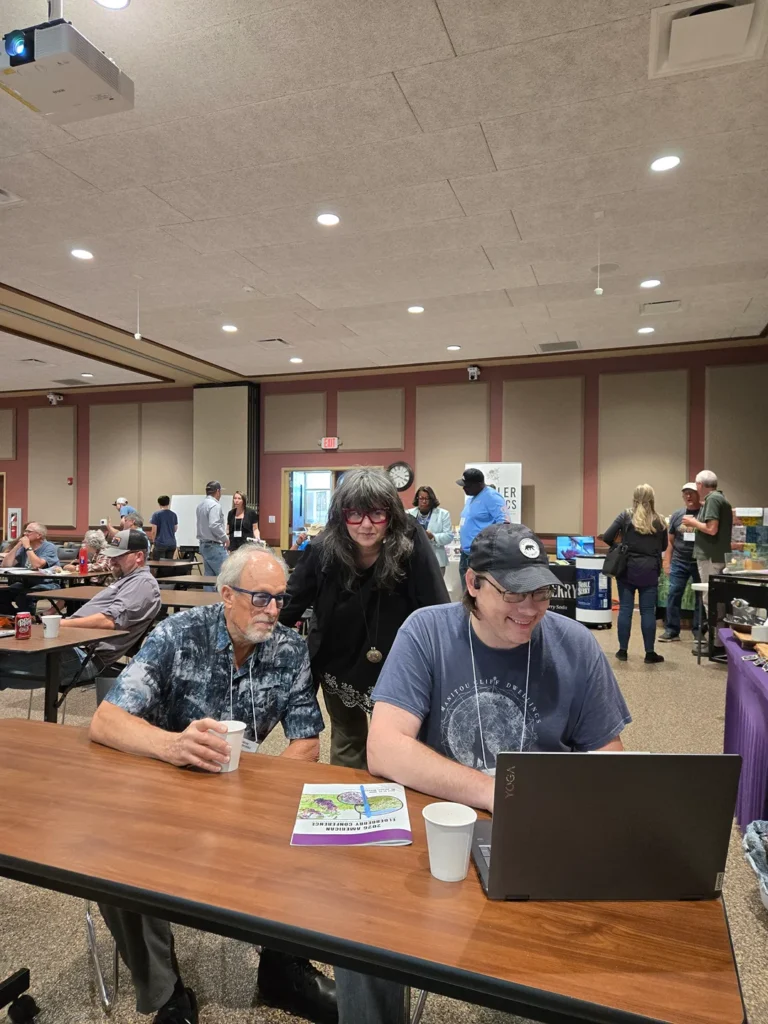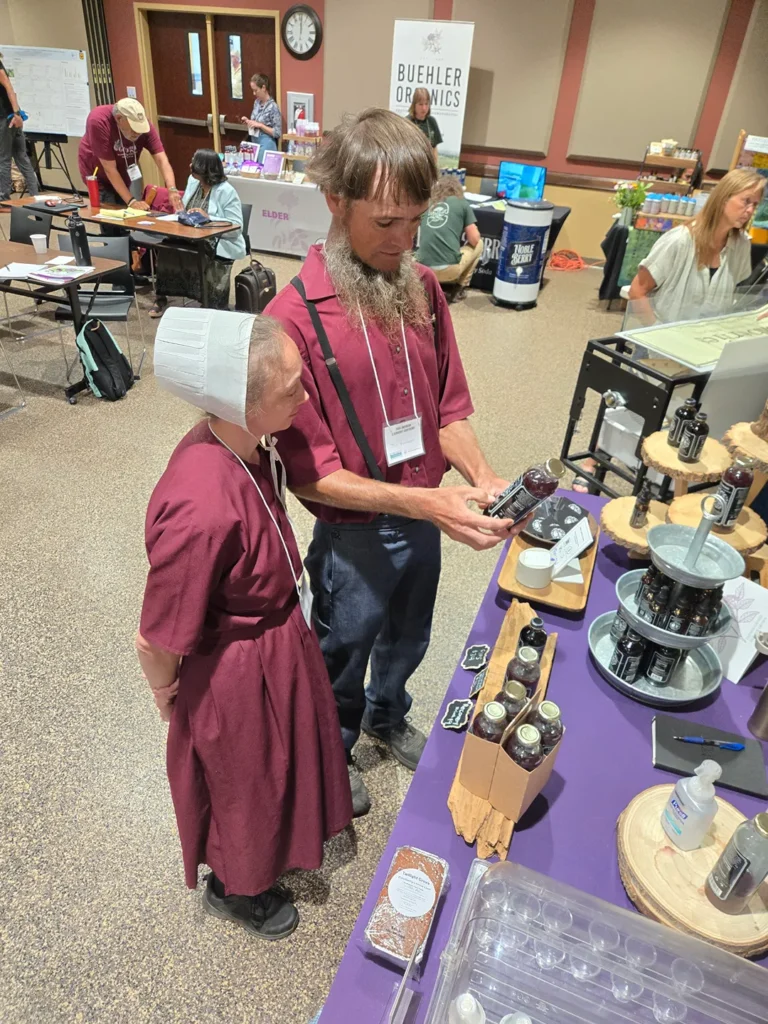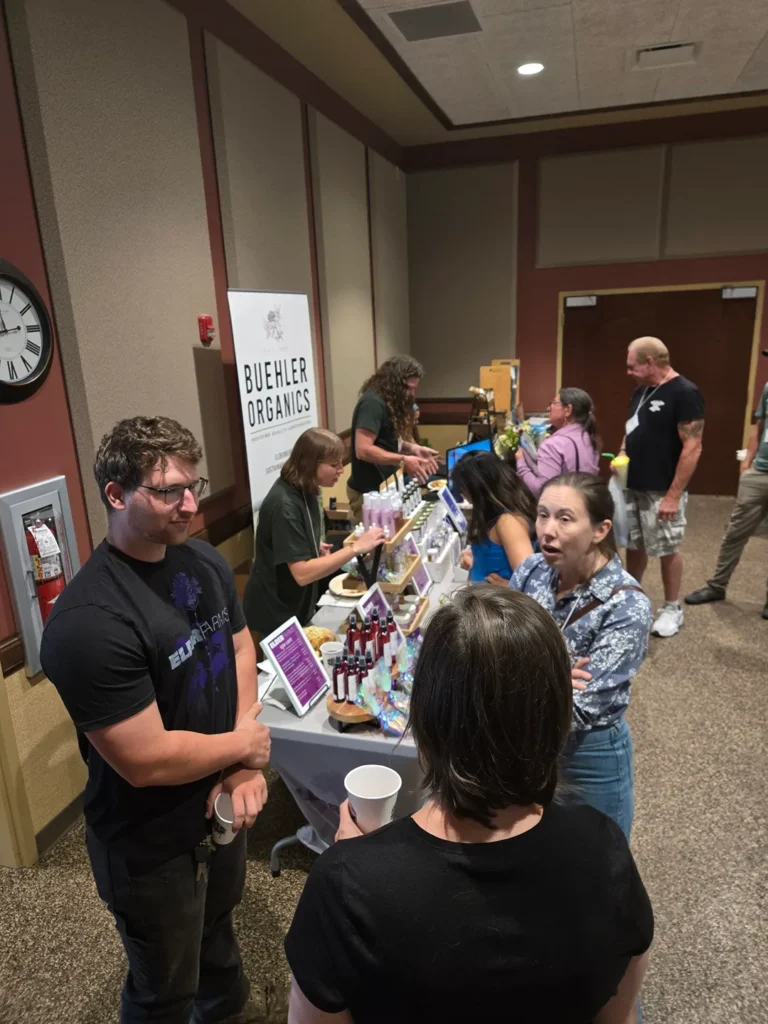

The 2026 KC Metaphysical 

The 2026 KC Metaphysical 

by
1984 1984 people viewed this event.

The 2026 KC Metaphysical Fair will take place on March 13-14-15, 2026, at 

Harrah’s Kansas City Casino & Hotel

Join us for three big days of FUN at Spring KC Metaphysical! Our exhibitors will include vendors, psychics, artists and holistic wellness practitioners. Our legendary FREE hourly lectures are held all three days of our Fair and are included with your Fair admission. Single-day general admission tickets are just $9 with kids under 11 enjoying free Fair admission when they accompany an adult ticket holder. Our three-day VIP pass will be available exclusively on Friday March 13th and includes admission to all three days of our Fair, plus a swag bag with some nice treats inside, plus entry into twice as many hourly prize drawings, for only $22. All tickets are sold at the entrance to our Fair, during Fair hours. As always, our Fair will be a friendly, inclusive space with a positive community vibe. Save the dates, invite your friends + family, and come out to Spring KC Metaphysical on March 13-14-15!

  • Location: Harrah’s Kansas City Casino & Hotel, 1 Riverboat Dr, North Kansas City, MO 64116.
  • Dates & Times:

    • Friday, March 13: 2 pm – 9 pm
    • Saturday, March 14: 10 am – 8 pm
    • Sunday, March 15: 11 am – 6 pm

  • Admission: Tickets are sold at the fair entrance on the day of the event. Single-day admission is typically around $9 (based on prior events), with kids 10 and under free. Volunteers can receive free admission for the whole weekend. 

Fair Highlights

  • Exhibitors: The event will feature a wide range of exhibitors, including vendors, psychics, artists, and holistic wellness practitioners. Offerings often include crystals, tarot readings, aura photography, energy work, jewelry, and more.
  • Lectures & Prizes: Admission includes access to free hourly lectures and prize drawings held throughout the three days.
  • More Information: For the most up-to-date exhibitor and lecture schedules, you should check the official website closer to the event date. 

The event is known as the longest-running metaphysical event in Kansas City and provides a space for exploring the mind, body, and spirit. 
To register for this event please visit the following URL: https://kcmetaphysical.com/ →


Date And Time

03-13-2026 @ 02:00 PM to
03-15-2026 @ 06:00 PM

Share With Friends

METABOLIC RECOVERY – The Next Phase of the GLP-1 Conversation: Metabolic Recovery

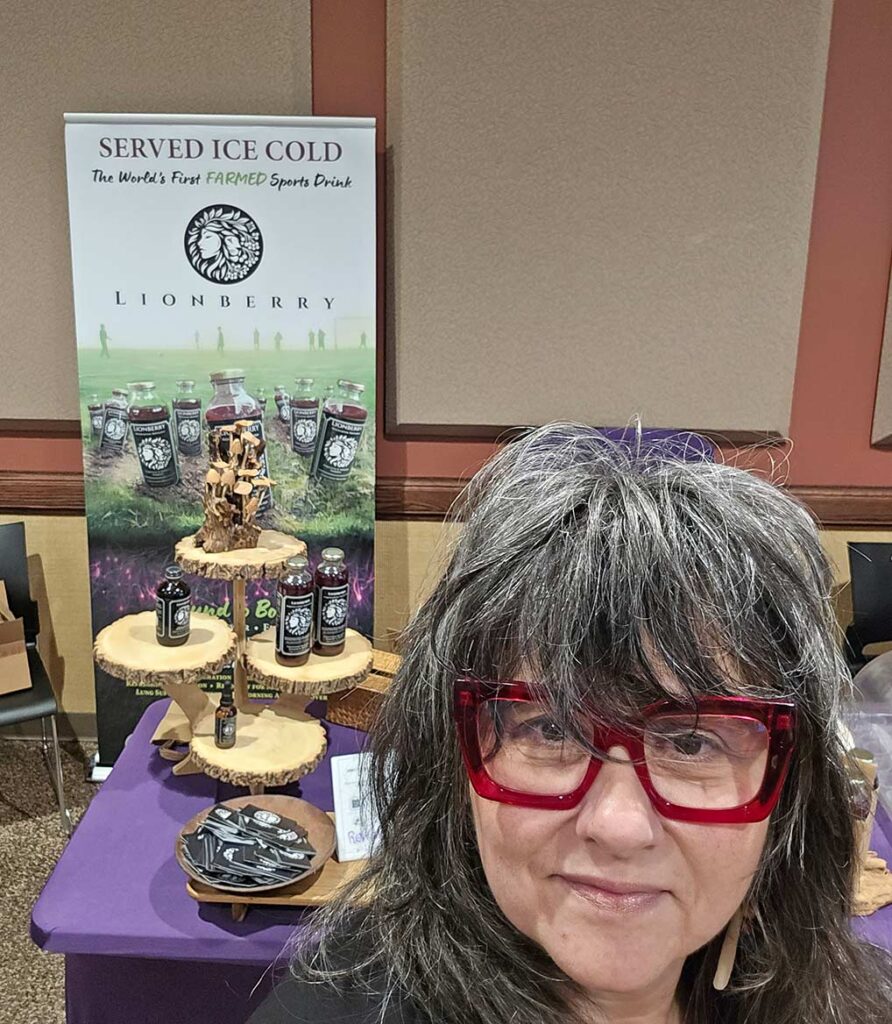
Lionberry 's Weekly Delusion and Re-illusion Update.

For the last two years, we’ve been talking about GLP-1 drugs.

Ozempic. Wegovy. Zepbound.

They work.

They reduce appetite, improve blood sugar regulation, and are reshaping metabolic health at scale. This is one of the most significant shifts we’ve seen in decades (Wilding et al., 2021).

But a quieter question is starting to emerge:

What happens after?

Because many people eventually discontinue these medications. They’re expensive, often require ongoing use, and studies have shown substantial weight regain can occur after discontinuation of GLP-1 therapies (Wilding et al., 2022).

Not because people failed.

Because the system that was being supported… is no longer being supported.

I believe we’re entering a new phase of this conversation.

Not just weight loss.

Not just appetite suppression.

But metabolic recovery.

What does the body need to help maintain stability after intervention?

The Washington State University elderberry study led by Professor Patrick Solverson and colleagues, published in 2024, caught my attention immediately (Solverson et al., 2024). Last summer, I also had the opportunity to hear the research presented during the International Elderberry Symposium.

As both an elderberry farmer and a value-added product maker, I was excited to see rigorous science emerging around American elderberry — but also genuinely curious why it wasn’t making larger headlines.

Because the findings were interesting.

In the randomized controlled trial, participants consuming 100% American elderberry juice for one week demonstrated:

  • Reduced blood glucose
  • Lower insulin levels
  • Increased fat oxidation
  • Measurable shifts in gut microbiome activity (Solverson et al., 2024)

Not a miracle.

Not hype.

But a signal.

Because the mechanism matters.

One detail that makes American elderberry especially interesting is that its anthocyanin profile appears to differ from many other dark berries.

American elderberry (Sambucus canadensis) contains significant amounts of acylated anthocyanins — particularly acylated cyanidin-based compounds connected to hydroxycinnamic acid groups (Lee & Finn, 2007; Özgen et al., 2010). These acyl groups alter the chemistry and stability of the anthocyanin molecule.

Why does that matter?

Research suggests acylated anthocyanins demonstrate greater resistance to heat, oxidation, light degradation, and digestive breakdown compared to many non-acylated anthocyanins commonly found in fruits such as blackberries and in many European elderberry varieties (Sadilova et al., 2006; Fuleki & Francis, 1968).

That stability may matter biologically because it potentially allows more intact anthocyanin compounds to survive processing, storage, digestion, and interaction with the gut microbiome.

European elderberry (Sambucus nigra) contains a different anthocyanin composition, dominated more heavily by non-acylated cyanidin 3-glucoside and cyanidin 3-sambubioside compounds (Lee & Finn, 2007). Other berries absolutely contain beneficial anthocyanins too — but American elderberry appears to possess a somewhat distinct anthocyanin architecture that researchers are still working to fully understand.

Researchers believe these anthocyanins interact with the gut microbiome, helping generate short-chain fatty acids and downstream metabolites associated with insulin sensitivity, inflammation regulation, and endogenous GLP-1 signaling pathways (Chambers et al., 2018; Solverson et al., 2024).

Not synthetically.

Endogenously.

Through food and the gut microbiome.

To me, this is where the conversation may be heading next.

Not:

“What replaces GLP-1 drugs?”

But:

“What helps support the body alongside them — and after them?”

Or even:

“What supports metabolic health for people who never start them at all?”

For too long, metabolism has been framed as something we “fix.”

I think we’re moving toward something different:

Metabolism as something we support daily — through food, hydration, gut health, and the biological systems we nourish over time.

For the past year, I’ve been quietly studying this space and building around one core idea:

There may be a meaningful role for real functional food in the GLP-1 era — not as a replacement for medicine, but as nutritional support alongside metabolic health journeys.

Not a shortcut.

A system.

We’re still early in this conversation.

But if the last few years were about intervention…

the next few may be about recovery.

Curious what others in food, agriculture, metabolic health, and functional wellness are seeing emerge in this space.

— Bevin Brooks

References

Solverson, P., Teets, C., Rust, B., Johnson, S.A., et al. (2024). A One-Week Elderberry Juice Intervention Augments the Fecal Microbiota and Suggests Improvement in Glucose Tolerance and Fat Oxidation in a Randomized Controlled Trial. Nutrients, 16(20), 3555.

Wilding, J.P.H., Batterham, R.L., Calanna, S., et al. (2021). Once-Weekly Semaglutide in Adults with Overweight or Obesity. New England Journal of Medicine, 384(11), 989–1002.

Wilding, J.P.H., Jacobsen, L.V., le Roux, C.W., et al. (2022). Weight regain and cardiometabolic effects after withdrawal of semaglutide: The STEP 1 trial extension. Diabetes, Obesity and Metabolism, 24(8), 1553–1564.

Lee, J., & Finn, C.E. (2007). Anthocyanins and Other Polyphenolics in American Elderberry (Sambucus canadensis) and European Elderberry (Sambucus nigra) Cultivars. Journal of the Science of Food and Agriculture, 87(14), 2665–2675.

Özgen, M., Scheerens, J.C., Reese, R.N., & Miller, R.A. (2010). Total Phenolic, Anthocyanin Contents and Antioxidant Capacity of Selected Elderberry Accessions. Pharmacognosy Magazine, 6(23), 198–203.

Sadilova, E., Stintzing, F.C., & Carle, R. (2006). Thermal degradation of acylated and nonacylated anthocyanins. Journal of Food Science, 71(8), C504–C512.

Fuleki, T., & Francis, F.J. (1968). Quantitative Methods for Anthocyanins: Stability of Elderberry Pigments. Journal of Food Science, 33(1), 72–79.

Chambers, E.S., Preston, T., Frost, G., & Morrison, D.J. (2018). Role of Gut Microbiota-Generated Short-Chain Fatty Acids in Metabolic and Cardiovascular Health. Current Nutrition Reports, 7, 198–206.