Athlete Spotlight: John Cantrell Chooses LionBerry for Recovery & Focus

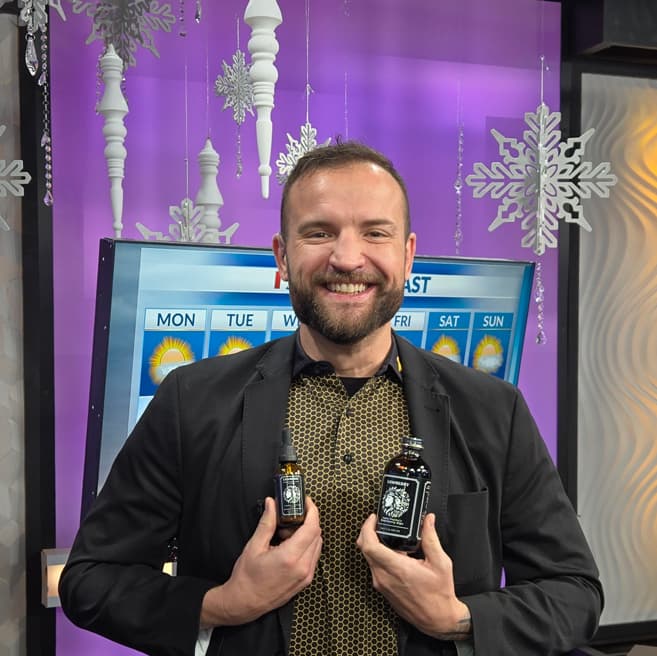
When it comes to sports performance, recovery isn’t optional — it’s essential. That belief is shared by John Cantrell, a heavyweight boxer known for his discipline, power, and commitment to training smart.

That commitment is why John has chosen LIONBERRY as part of his routine.

Built for Sports — Not Just the Game, But the Grind

Athletes at every level push their bodies hard — in training, competition, and everyday life. LionBerry was created for that exact reality: a regenerative hydration and recovery drink made from real, regionally grown ingredients, not lab-built shortcuts.

LionBerry combines:

  • Native elderberry & elderflower — rich in naturally occurring anthocyanins that may support a healthy inflammatory response
  • Tart cherry — long valued in athletic recovery for muscle and joint support
  • Lion’s Mane mushroom — widely used to support focus, cognitive clarity, and neurological wellness
  • Local honey — clean, natural energy straight from regenerative farms

No artificial dyes. No synthetic stimulants. No powdered isolates.

Just real plants, grown with intention.

Why This Matters in Sports

Contact, impact, and physical strain are part of nearly every sport — not just boxing. Yet many athletes are still expected to “shake it off” and keep moving without meaningful nutritional support.

LionBerry was designed with the whole athlete in mind:

  • Post-exertion hydration
  • Cognitive and mental clarity support
  • Clean recovery for training days and rest days alike

As John Cantrell puts it, LionBerry helps him stay sharp, recovered, and ready — not just for competition, but for the work that happens long before the spotlight.

From Farm to Athlete

LionBerry isn’t just about performance — it’s about regeneration.

Every bottle supports:

  • Regenerative farming practices
  • Midwest-grown ingredients from Kansas and Missouri
  • Shorter supply chains and stronger regional farm economies

It’s hydration that gives back — to the athlete, to the land, and to the communities growing the ingredients.

Recovery for Athletes. Clarity for Everyday Life.

While LionBerry is built for sports, it’s not exclusive to elite competition. Weekend warriors, outdoor enthusiasts, gym-goers, and fans all deserve hydration that actually supports the body — without neon colors or artificial formulas.

Whether you’re stepping into the ring, hitting the trail, or recovering after a long day, LionBerry shows up the same way John Cantrell does: grounded, focused, and ready.

This isn’t just hydration.
It’s regenerative recovery — built for real life, and real performance.

Facebook
X
LinkedIn

What are we, exactly?

Lionberry 's Weekly Delusion and Re-illusion Update.

BS Weekly #13

That’s the question I keep circling after Mount Vernon. Are we a specialty crop, or are we bait for big ag? Because those are two very different futures, and American elderberry is standing right at the fork.

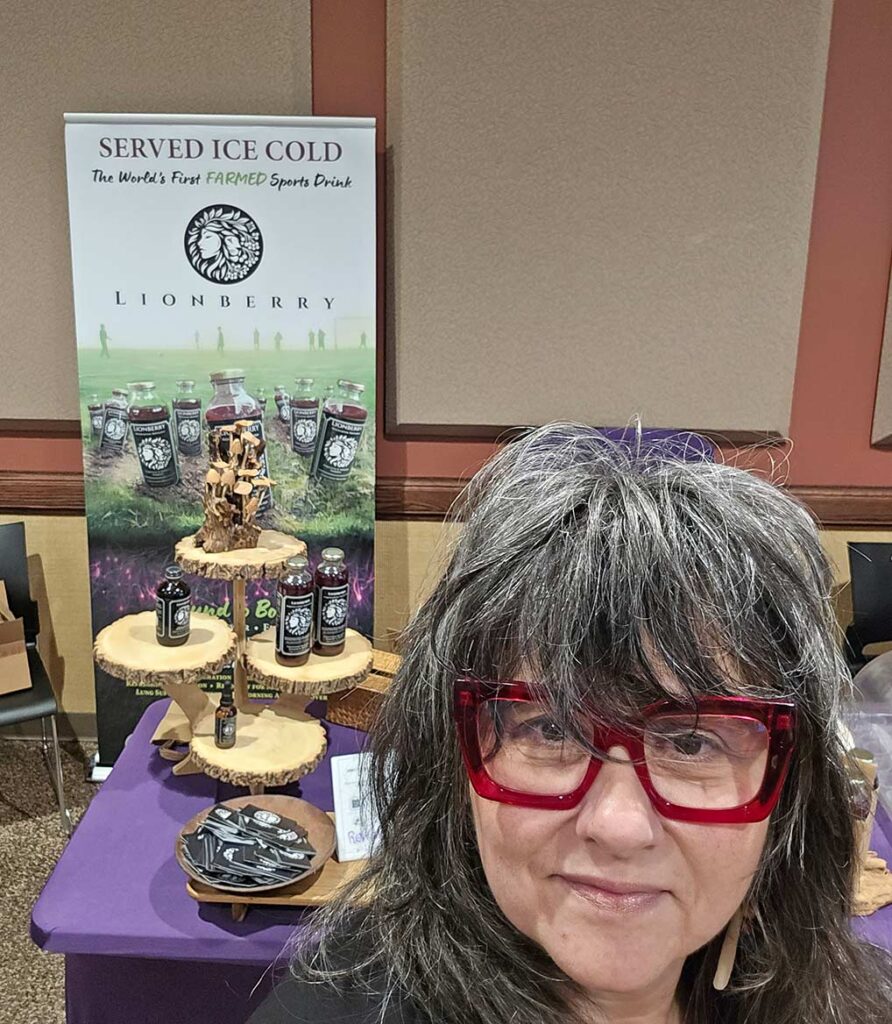
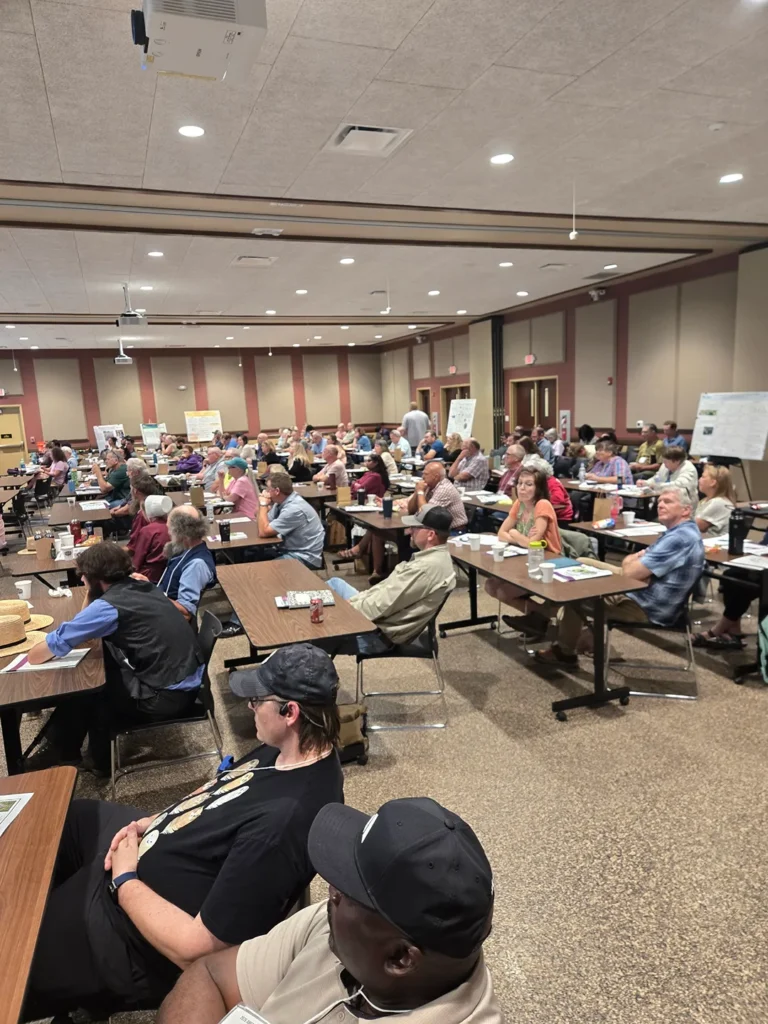
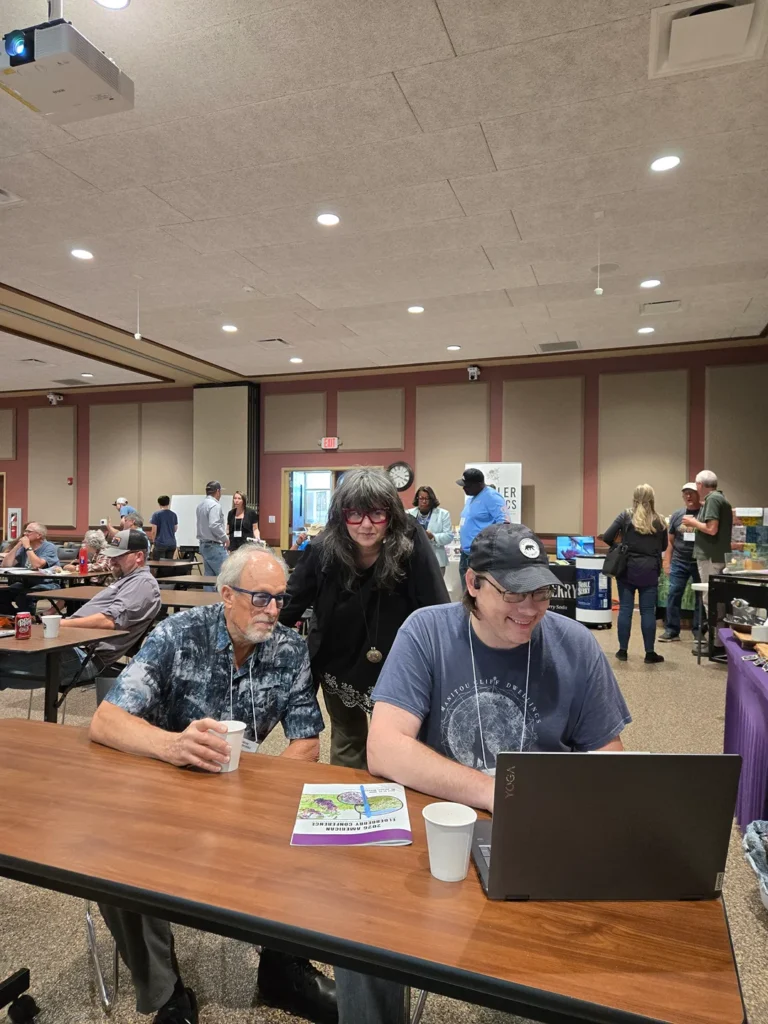
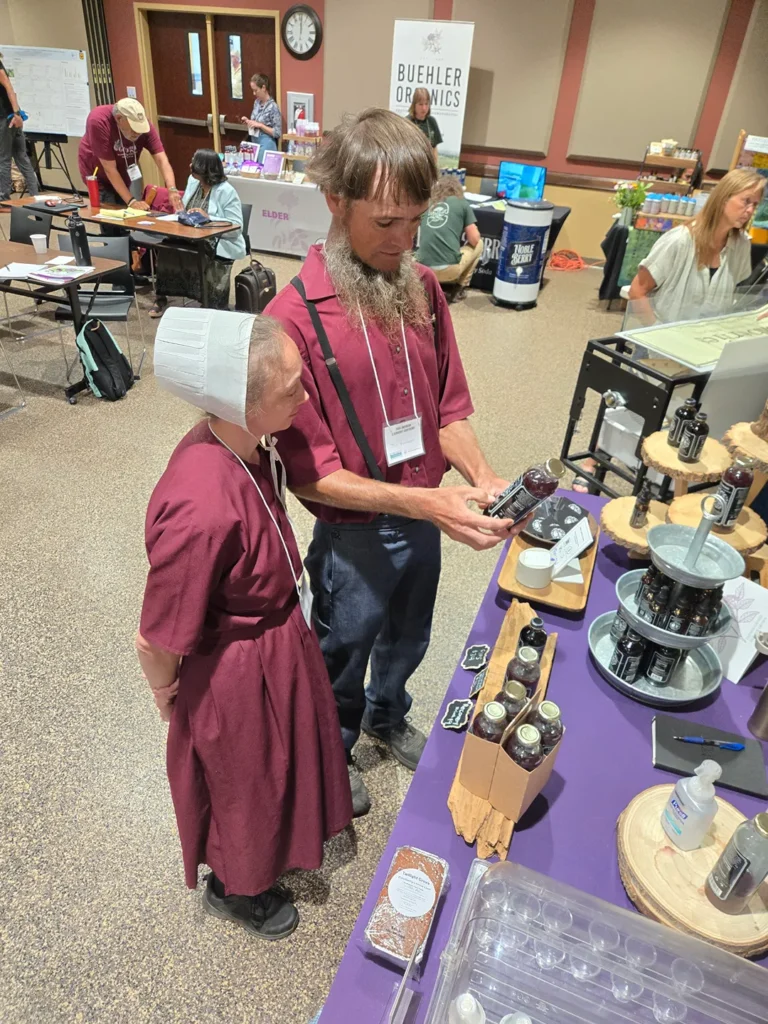
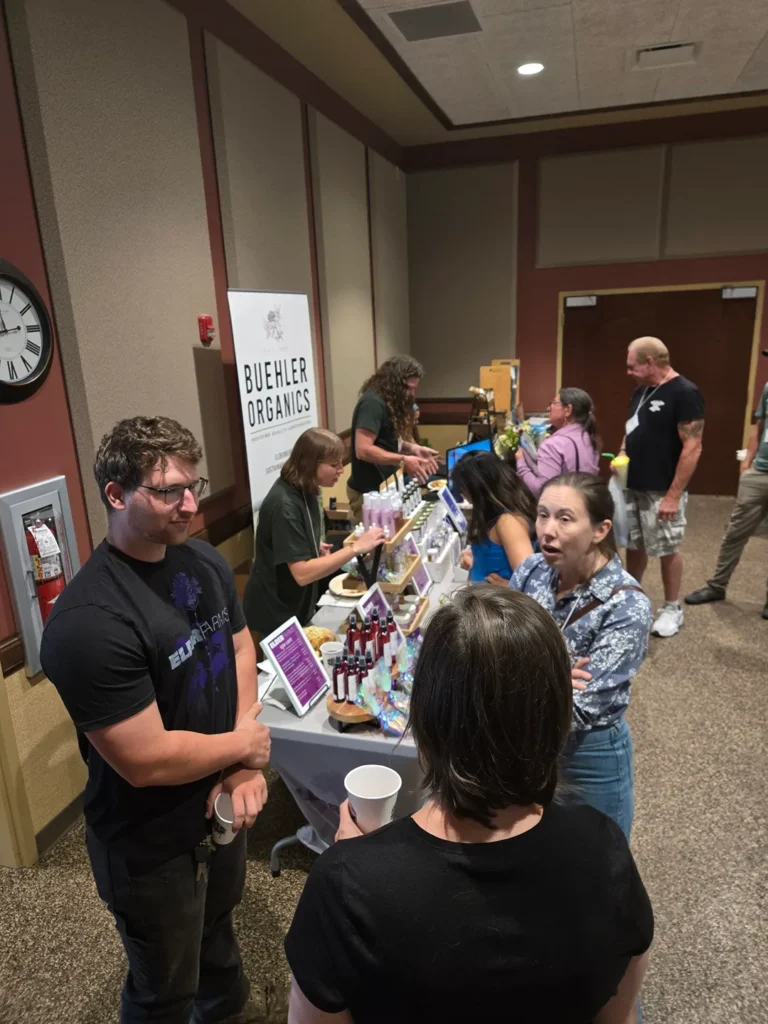
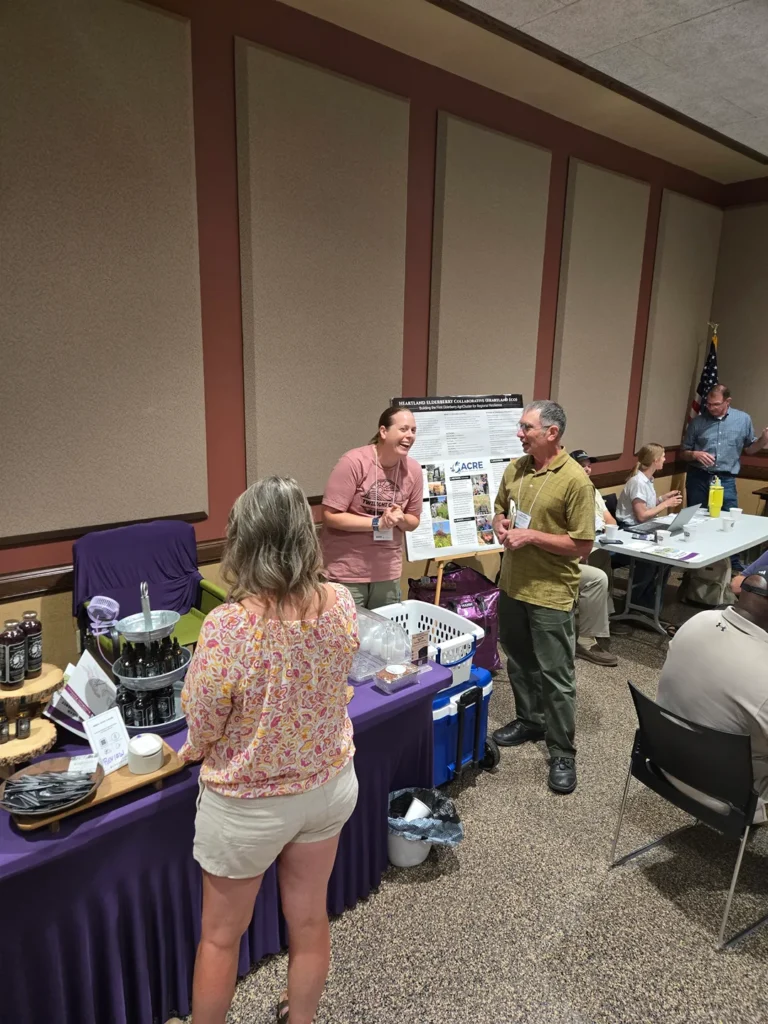
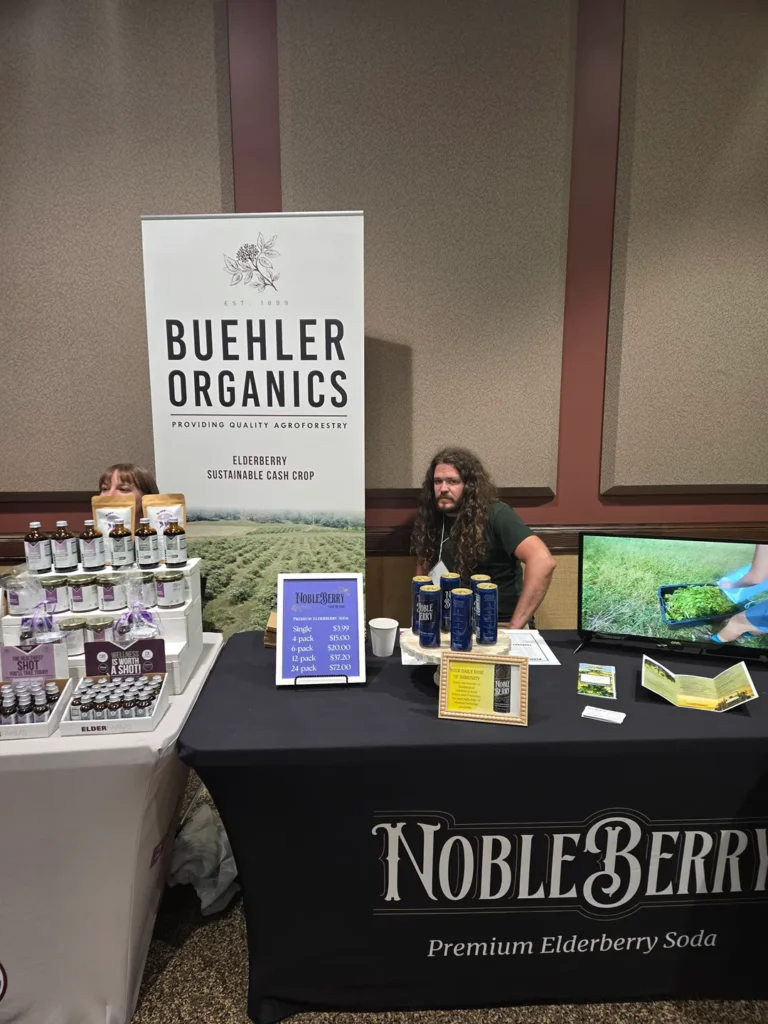
This June the national elderberry community gathered in Mount Vernon, Missouri. The Heartland American Elderberry Collaborative brought our poster. LIONBERRY REGENERATIVE™ stood alongside Elder Farms and River Hills Harvest. Dr. Andrew Thomas hosted, Buehler Organics and Elder Farms put on a dinner, and researchers, growers, and processors all ended up at the same tables. Good food, good people, real momentum.

But here’s the edge I can’t put down. The moment a crop gets valuable, the commodity machine notices. It comes in offering scale and efficiency, and it leaves behind growers who no longer own anything, working someone else’s market for someone else’s margin. We’ve watched it happen to crop after crop. The question isn’t whether American elderberry is worth that much attention. It’s whether we’ll be the ones holding it when it is.

So why does this crop matter enough to fight over? The science is finally catching up to what growers always sensed. American elderberry is anti-inflammatory in a way that speaks straight to how most of us actually live now, carrying oxidative stress from overprocessed food. And it’s stepping into the GLP-1 and metabolic-recovery moment, where early results on blood sugar and fat oxidation are turning heads. Our native berry isn’t the understudy to European Sambucus nigra either. The American acylated anthocyanin is more protected, more likely to survive processing and reach where it’s meant to work. We are not the lesser version. We are the better one, and we’re only now saying it out loud.

That’s exactly why the fork matters. A crop this promising will get built into a market by somebody. The only question is whose hands stay on it.

Here’s where I land, and where Mount Vernon left me hopeful. We are small, and small is not the weakness everyone assumes. Small means we can actually know each other. It means a grower, a researcher, and a brand can sit at one dinner table and leave understanding each other’s language. That’s how an AgriCluster works. We stick together, we grow the grower base on our own terms, and we build the shared story before anyone builds it for us. We’re standing on fertile ground here, in the dark, underground, where the real trading happens before anything shows on the surface.

More growers, yes. But growers who own it. That’s the whole game.