

The Trojan in the Hedgerows: One Woman’s Elderberry Mission in the Heartland
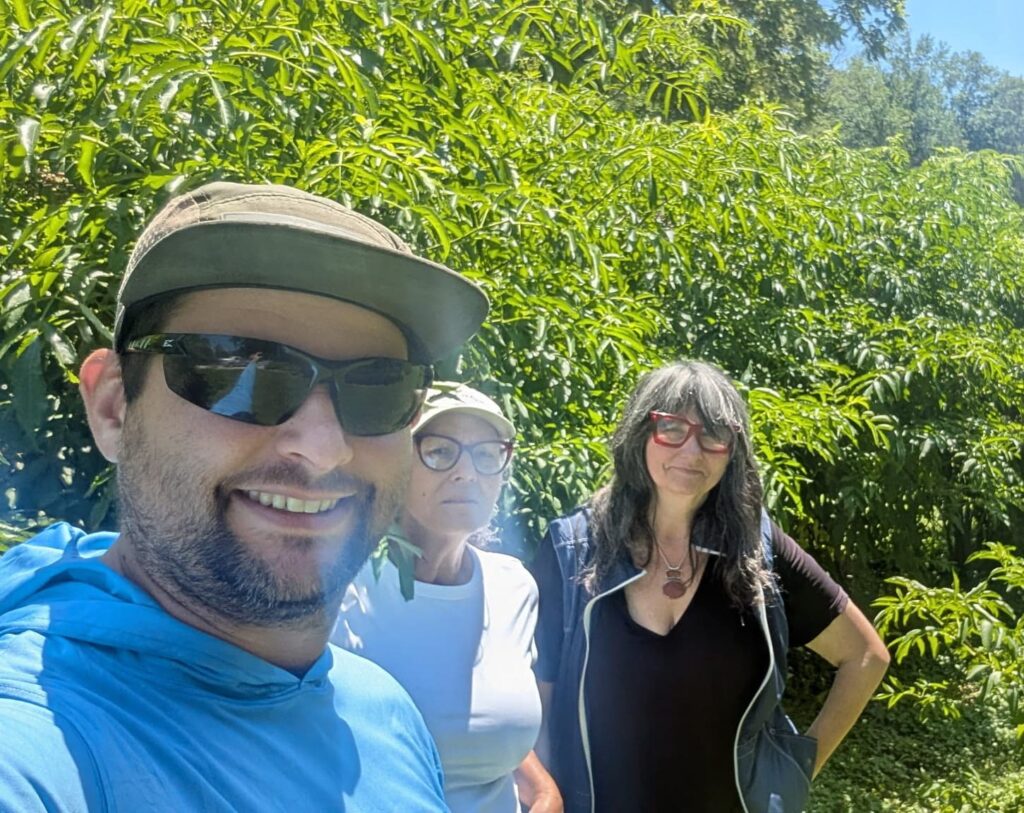
My Bevin Brooks Co-Chair of The Heartland American Elderberry Collaborative A small Trojan in the Heartland, Lori Trojan’s elderberry farm began not with a nursery order, but with a friend’s overgrown backyard bush that needed to be cleared. Sitting in the kitchen with American elderberry (Sambucus canadensis) farmer and master herbalist Lori Trojan—a great competitor […]
They Paved Paradise

“They paved paradise and put up a parking lot.” That line has been rattling around in my head for years. I used to think it was about asphalt. I used to think it was a song about a woman looking at a lot where a garden used to be, shaking her head, feeling nostalgic. But […]
What are we, exactly?
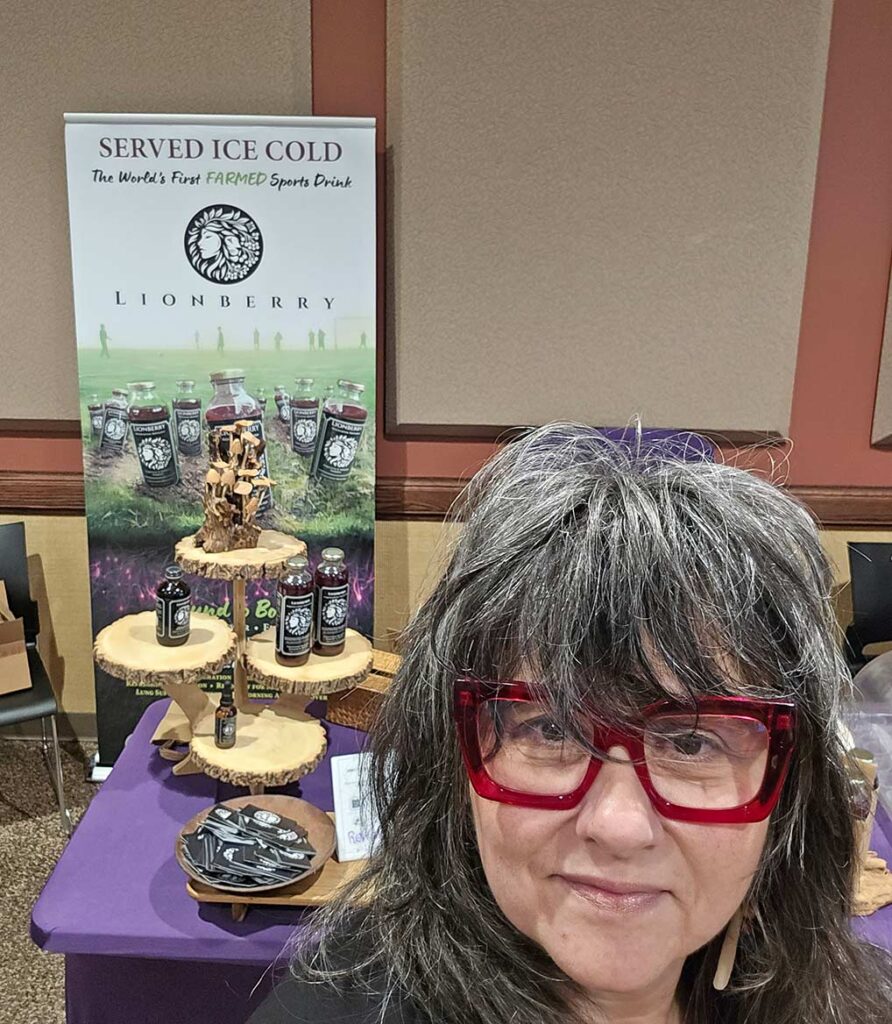
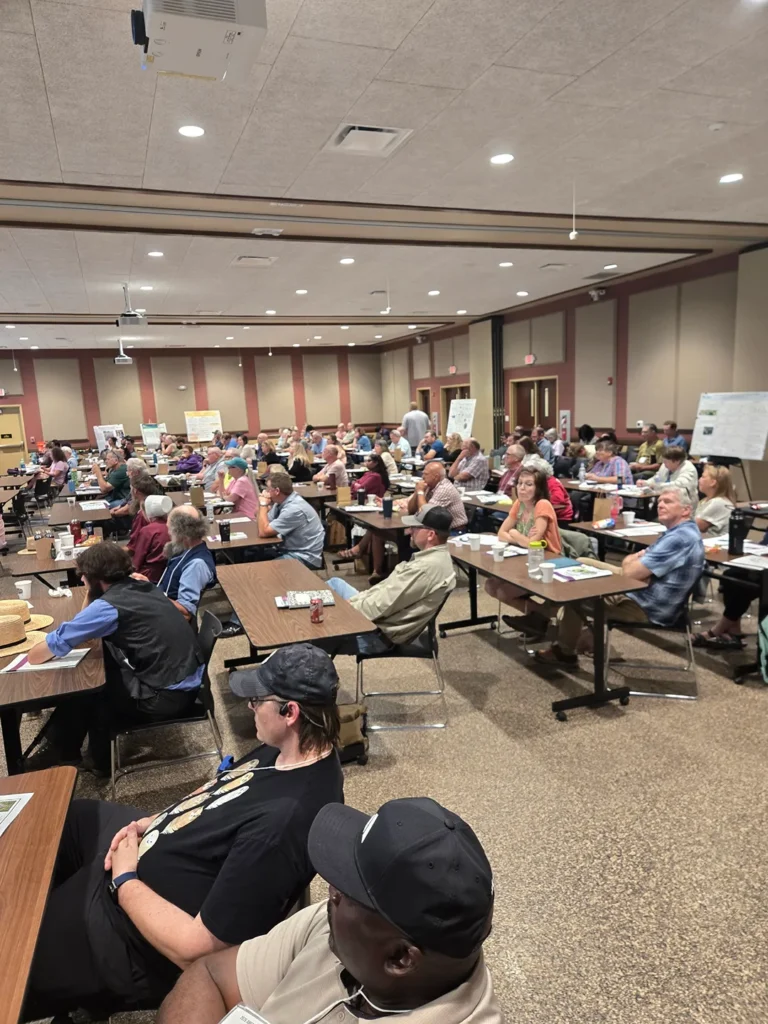
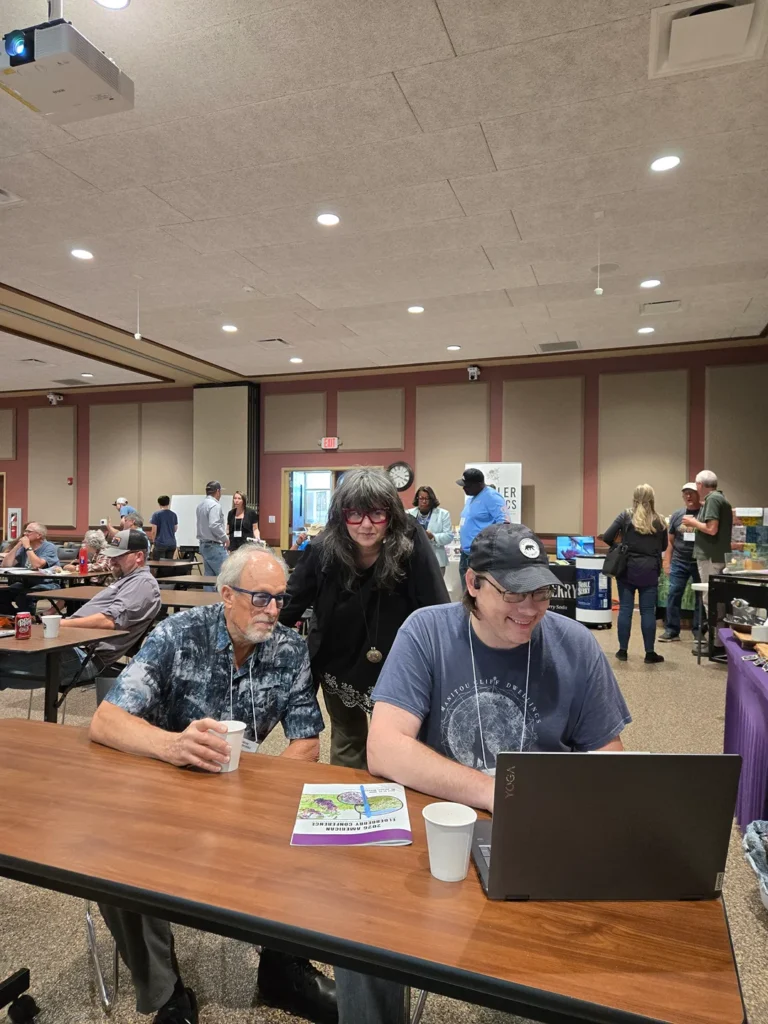
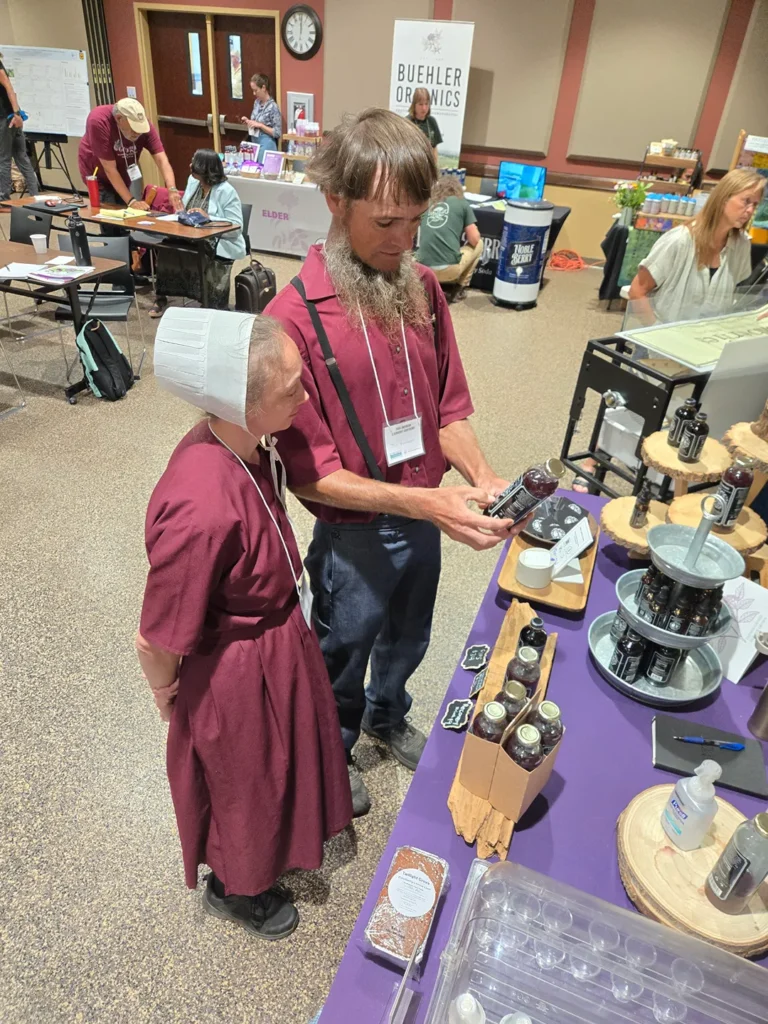
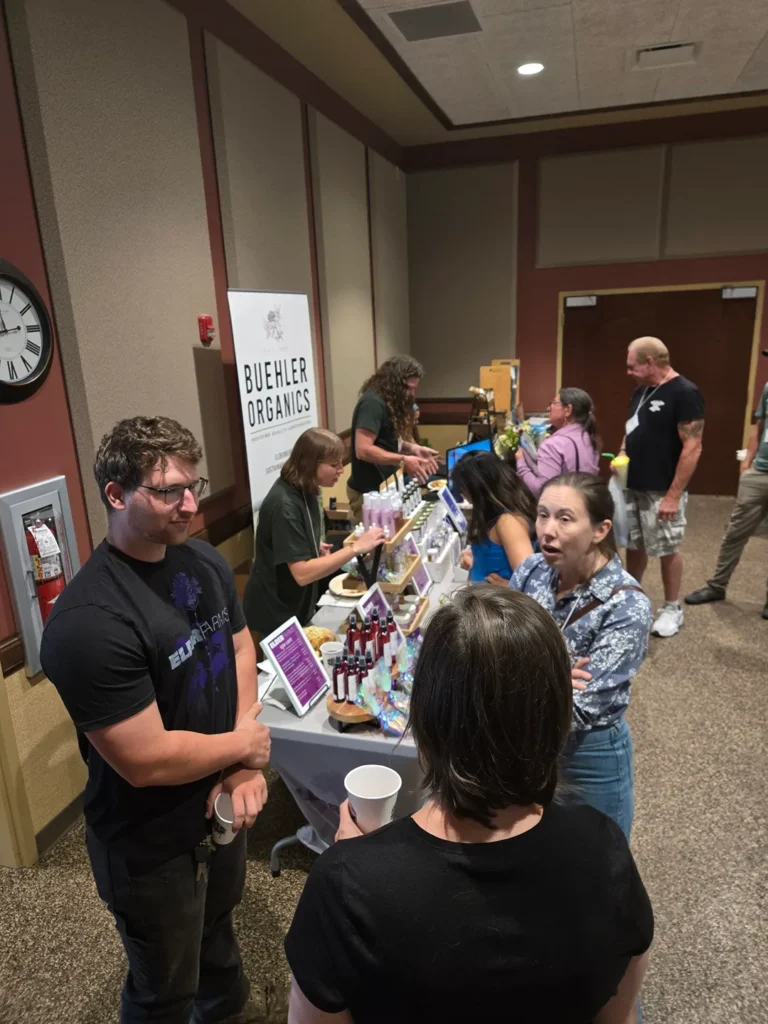
BS Weekly #13 That’s the question I keep circling after Mount Vernon. Are we a specialty crop, or are we bait for big ag? Because those are two very different futures, and American elderberry is standing right at the fork. This June the national elderberry community gathered in Mount Vernon, Missouri. The Heartland American Elderberry […]
Slaying the Cyclops
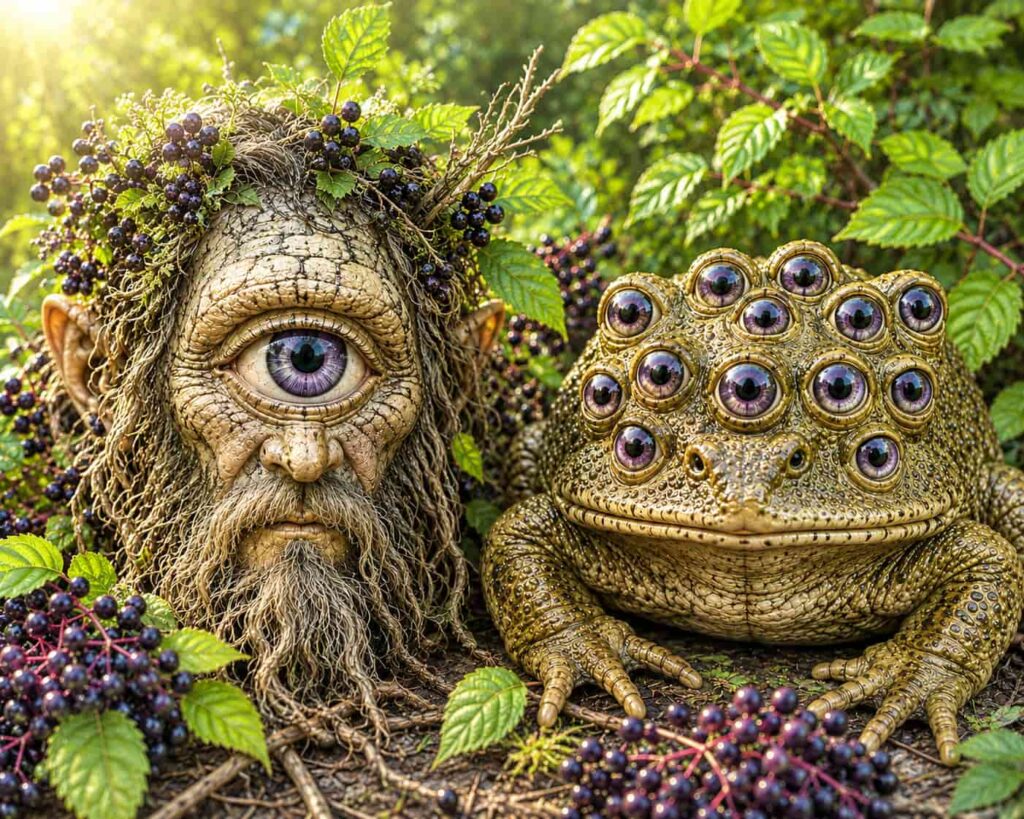
How the Twelve-Eyed Toad Sees What One Eye Cannot A working treatise by Bevin Brooks The Cyclops had one eye. One eye sees flat… no depth, no distance, no second opinion. And that’s every one of us if we’re honest. Every founder, every farmer alone with the thing they know, looking from the one spot […]
Elderberry Curious?
One elderberry plant. One hunch. The hunch was that this plant… American elderberry (Sambucus canadensis, also classified by some authorities as Sambucus nigra subsp. canadensis)… was going to matter. Not just to my humble farm. Not just to my health. To my region. To the way we feed people. To the soil we leave behind. […]
Heartland American Elderberry Collaborative: Rooted in Real Farms
Across America’s heartland, farmers are searching for ways to build healthier soils, strengthen their operations, and leave a lasting legacy for future generations. The Heartland American Elderberry Collaborative was created to support that vision by helping growers discover the remarkable potential of elderberries as a regenerative crop. Elderberries offer more than a harvest. Their deep […]
The Dark Berry
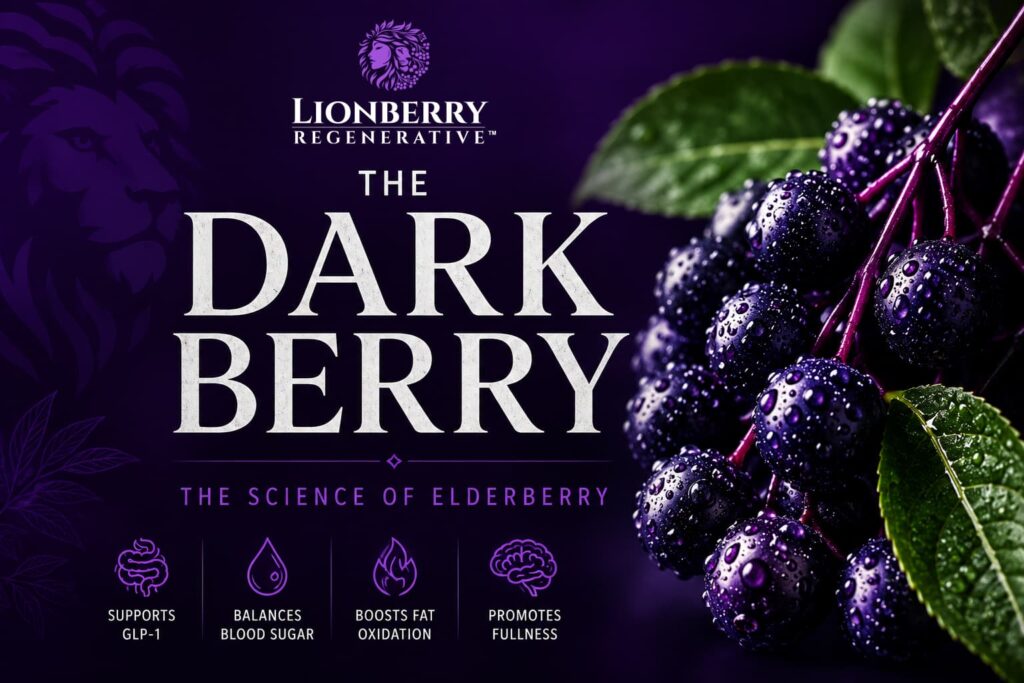
BS Weekly #13 The color is not a coincidence. The dark, almost-black purple of elderberry is not just a visual marker of ripeness. It is a signal of bioactive density. The anthocyanin molecule responsible for that color… cyanidin-3-glucoside, or C3G… is pH-responsive, meaning its molecular structure physically shifts depending on the acidity of its environment […]
Dirty Deeds Done Dirt Cheap… American Heartland Elderberry Collaborative Hits the Road
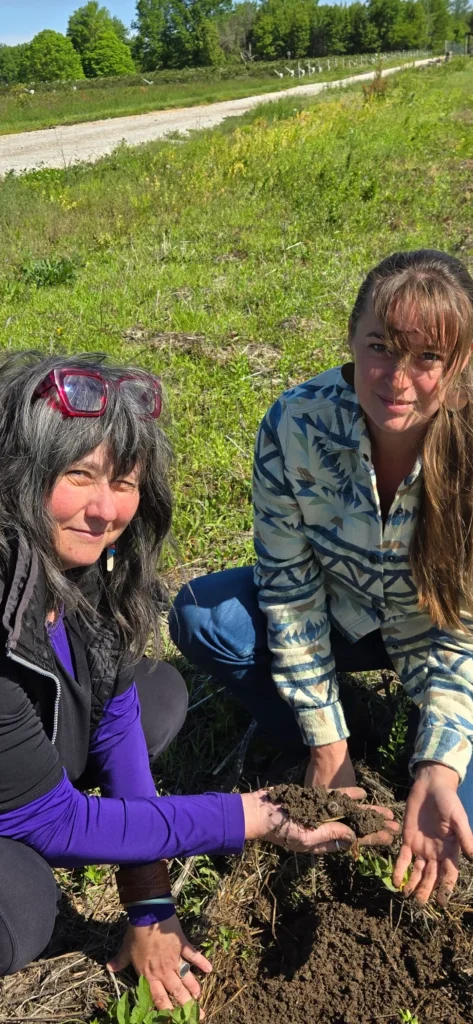
Farmer Mickey Gallagher, the “Johnny Elderberry Seed” of KC Farmyard, joined by Bevin Brooks of LIONBERRY, are the co-chairs of the American Heartland Elderberry Collaborative… AHECo. They have been touring member farms of their AgriCluster and helping to cultivate the American elderberry across Kansas and Missouri. This week the co-chairs visited Jeremy Fyler of Fyler […]
LionBerry Regenerative™ to Pour at Stems
Overland Park Arboretum & Botanical Gardens • May 16, 2026 LionBerry Regenerative™ will be featured at Stems: A Garden Soirée — A Cause to Celebrate, the signature fundraiser supporting the Arts & Recreation Foundation of Overland Park and the Overland Park Arboretum & Botanical Gardens. Guests will enjoy an all-inclusive evening of food, botanical beverages, […]
Lit From Within: An Upcycled LIONBERRY Bottle
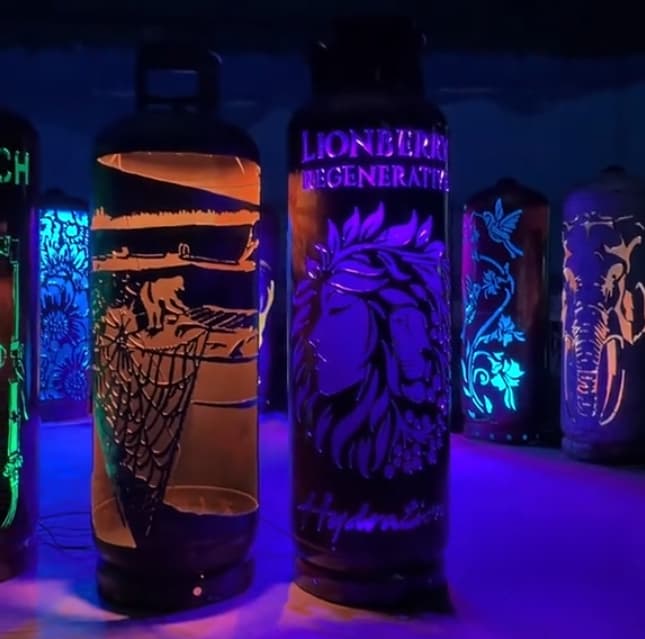
There’s a six-foot bottle of LIONBERRY REGENERATIVE HYDRATION on its way to Kansas from Canada. It used to be a water heater. Dave — the artist behind Theeupcycler Metal Art, based in Wetaskiwin, Alberta — takes things the world throws away and gives them a second life. Old water heaters. Car parts. Scrap steel. With […]