

They Paved Paradise

“They paved paradise and put up a parking lot.” That line has been rattling around in my head for years. I used to think it was about asphalt. I used to think it was a song about a woman looking at a lot where a garden used to be, shaking her head, feeling nostalgic. But […]
What are we, exactly?
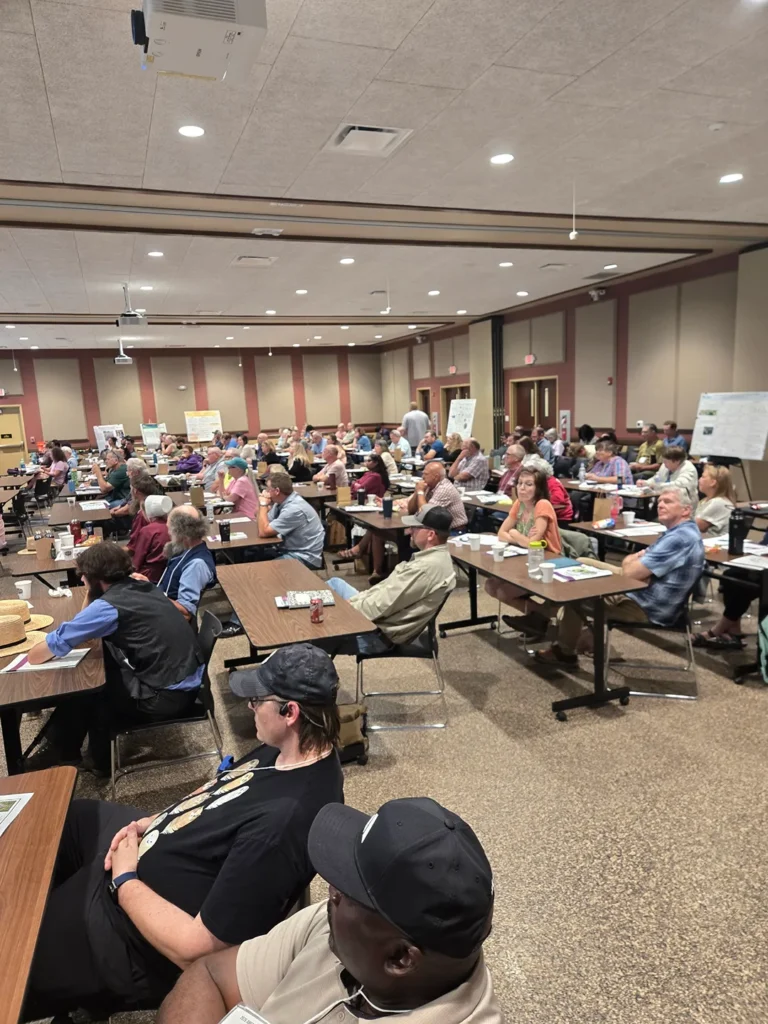
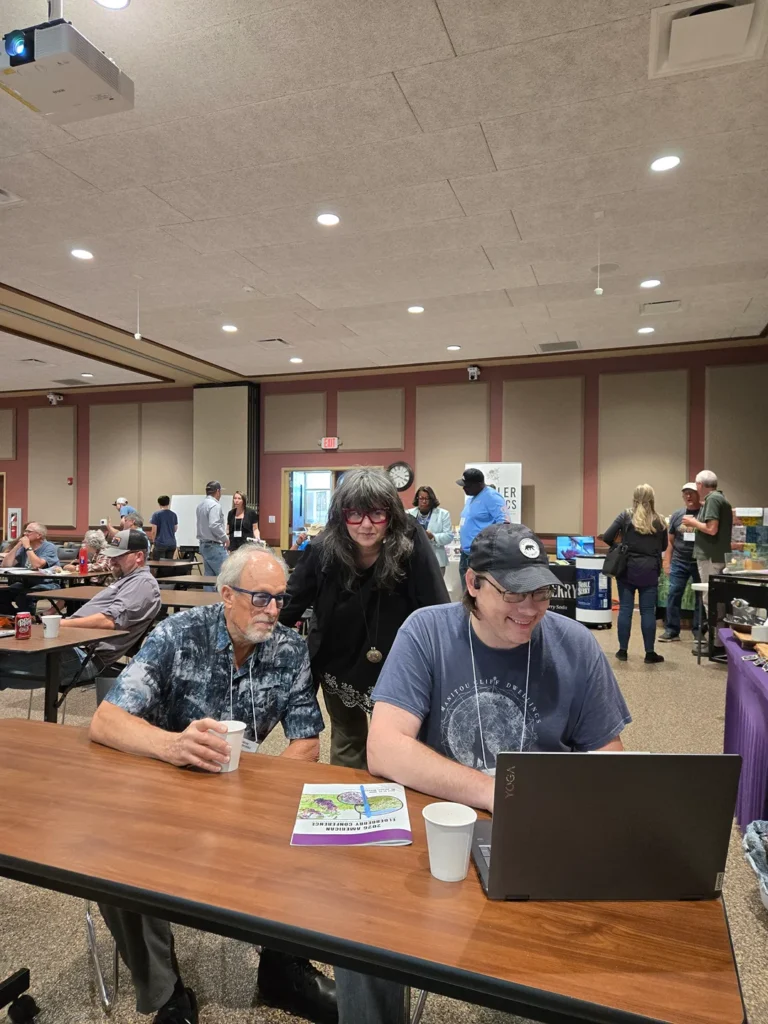
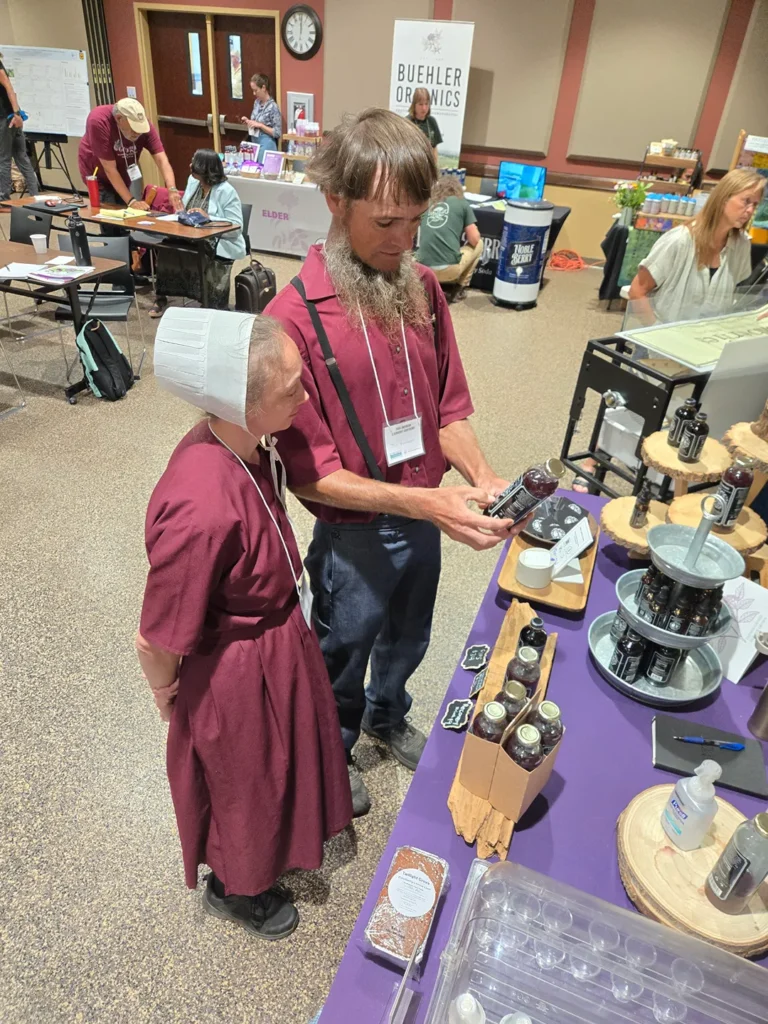
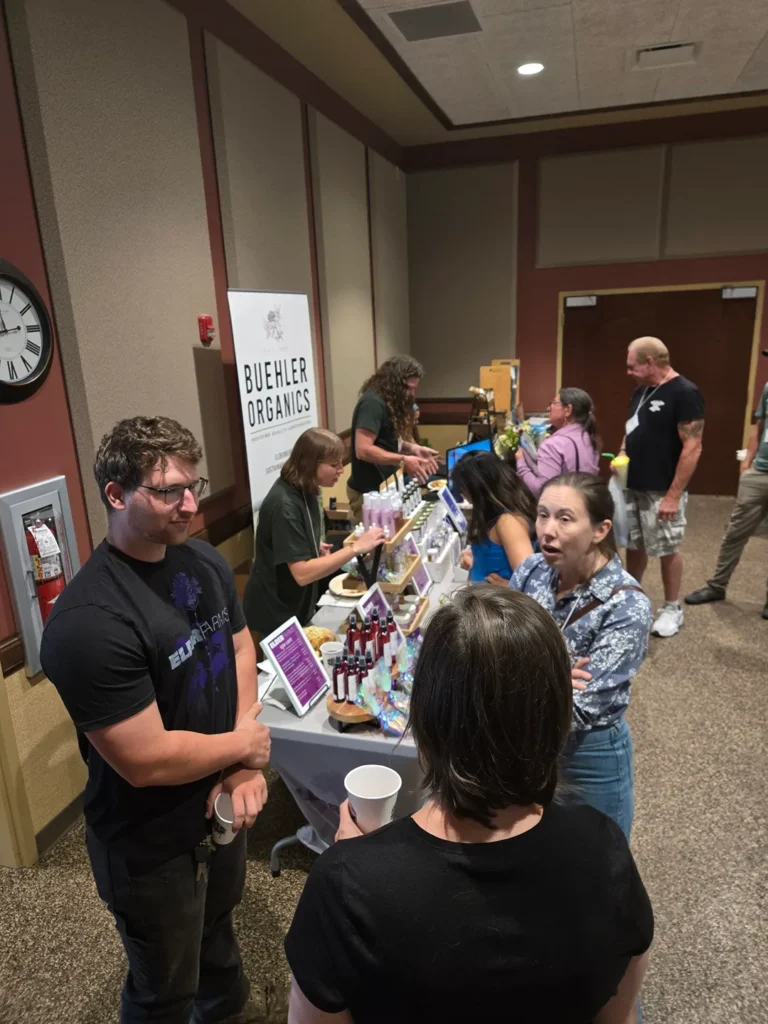
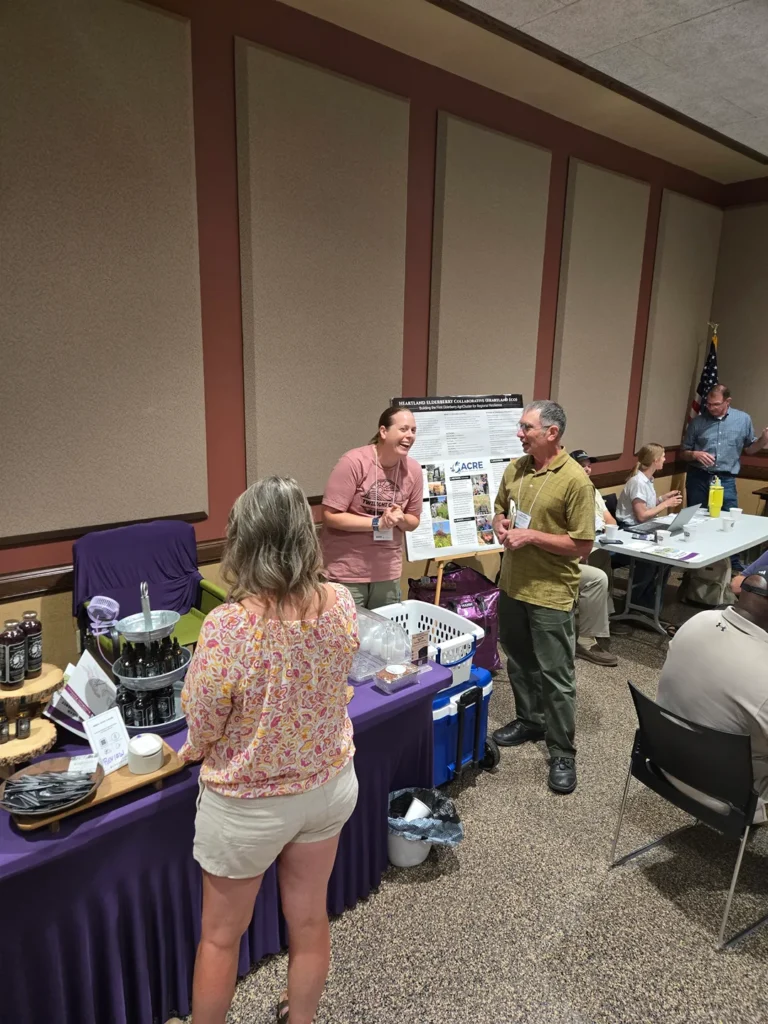
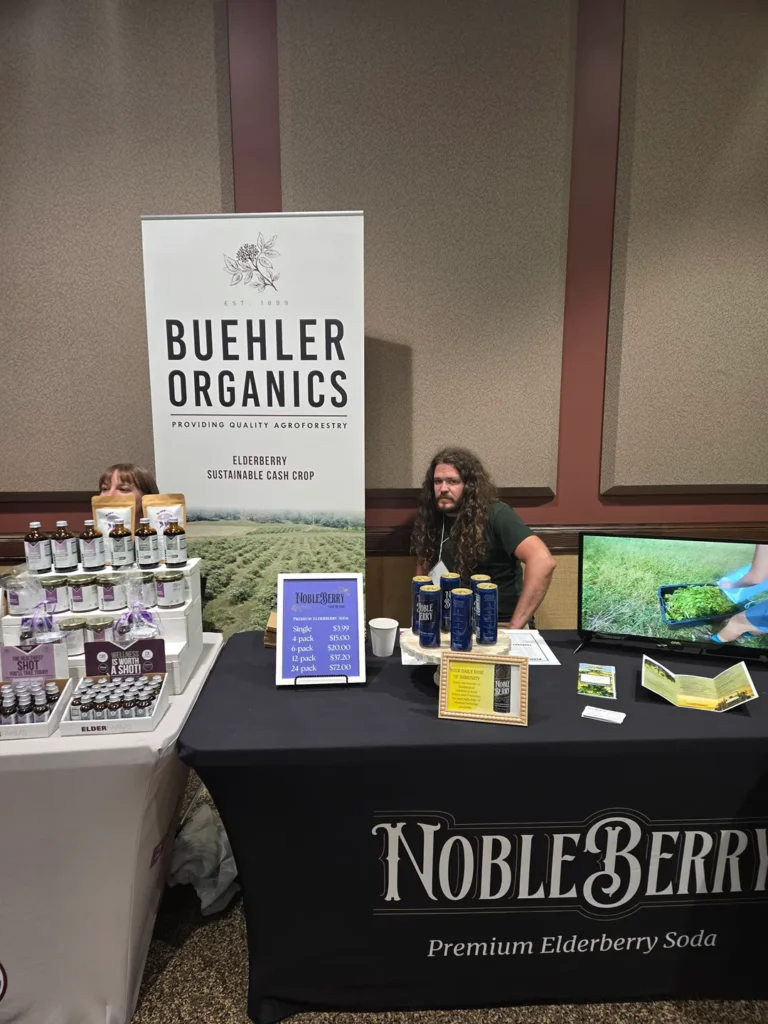
BS Weekly #13 That’s the question I keep circling after Mount Vernon. Are we a specialty crop, or are we bait for big ag? Because those are two very different futures, and American elderberry is standing right at the fork. This June the national elderberry community gathered in Mount Vernon, Missouri. The Heartland American Elderberry […]
The Dark Berry
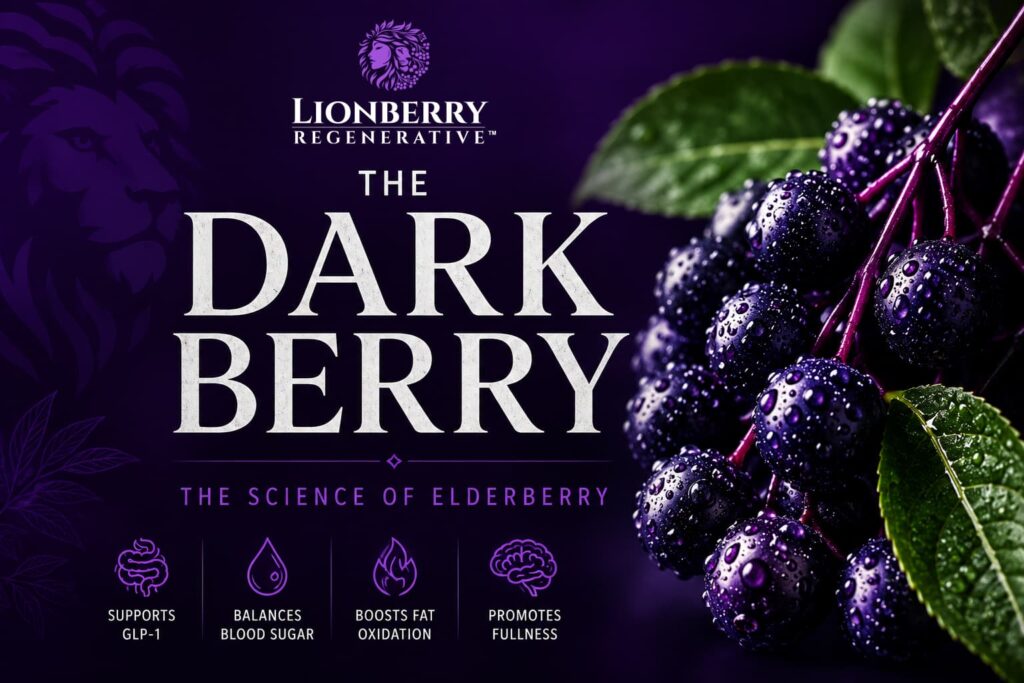
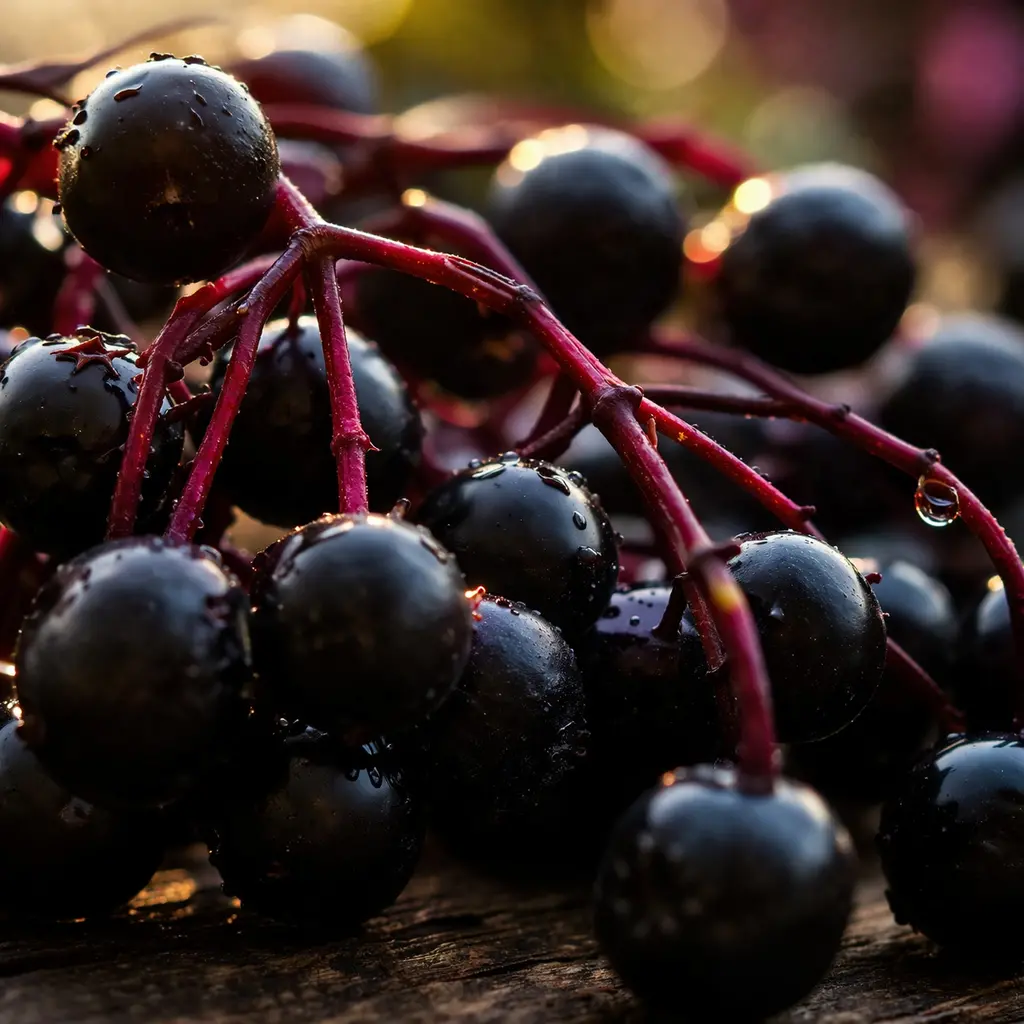
BS Weekly #13 The color is not a coincidence. The dark, almost-black purple of elderberry is not just a visual marker of ripeness. It is a signal of bioactive density. The anthocyanin molecule responsible for that color… cyanidin-3-glucoside, or C3G… is pH-responsive, meaning its molecular structure physically shifts depending on the acidity of its environment […]
METABOLIC RECOVERY – The Next Phase of the GLP-1 Conversation: Metabolic Recovery
For the last two years, we’ve been talking about GLP-1 drugs. Ozempic. Wegovy. Zepbound. They work. They reduce appetite, improve blood sugar regulation, and are reshaping metabolic health at scale. This is one of the most significant shifts we’ve seen in decades (Wilding et al., 2021). But a quieter question is starting to emerge: What […]
BUSINESS SECRETS WEEKLY
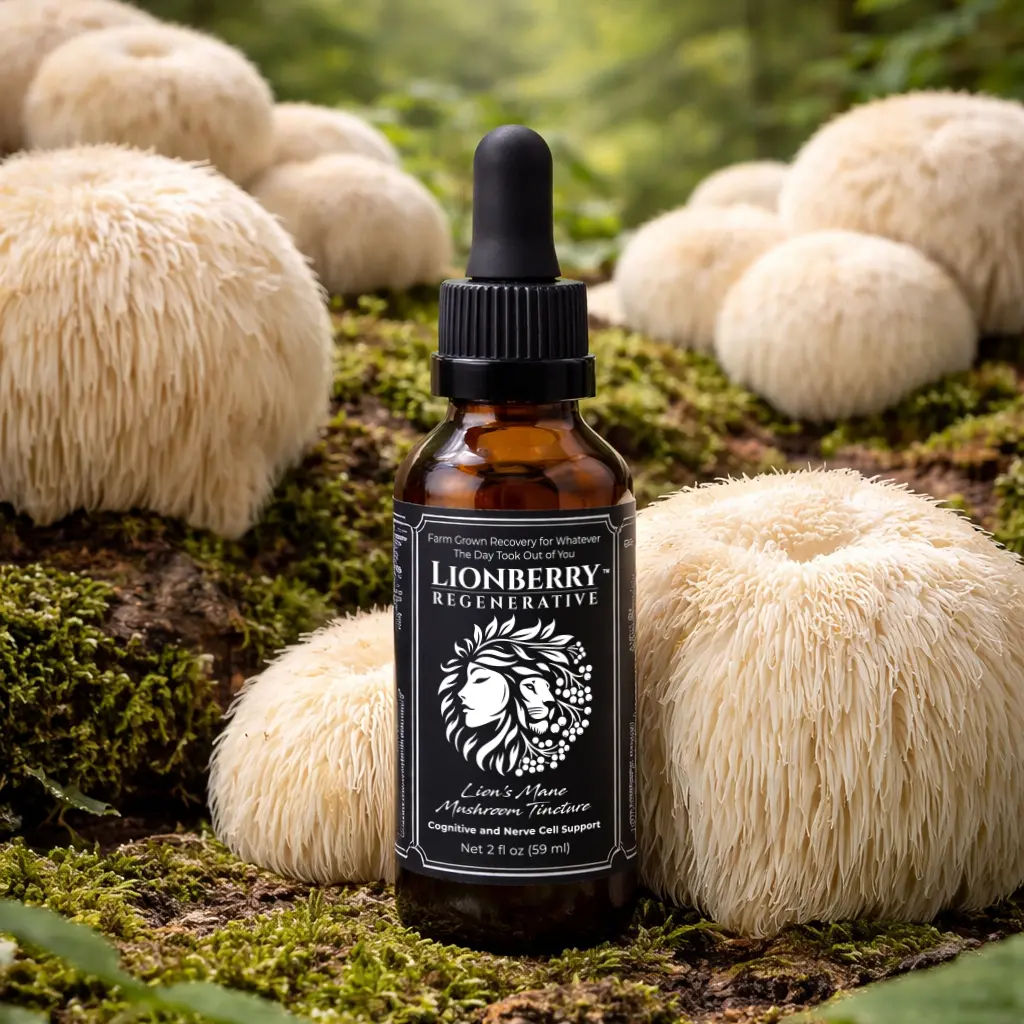
LionBerry’s Weekly Delusion & Re-Illusion Update Lion’s Mane Mushroom Powder in Your Coffee Isn’t Lifting Your Brain Fog. Welcome to Health Food Washing 101: Where Marketing Is the Science and the Label Is the Proof. If It’s on the Label, It Must Be True??? THE BOTTOM LINE — FOR THOSE WHO DON’T READ THE WHOLE […]
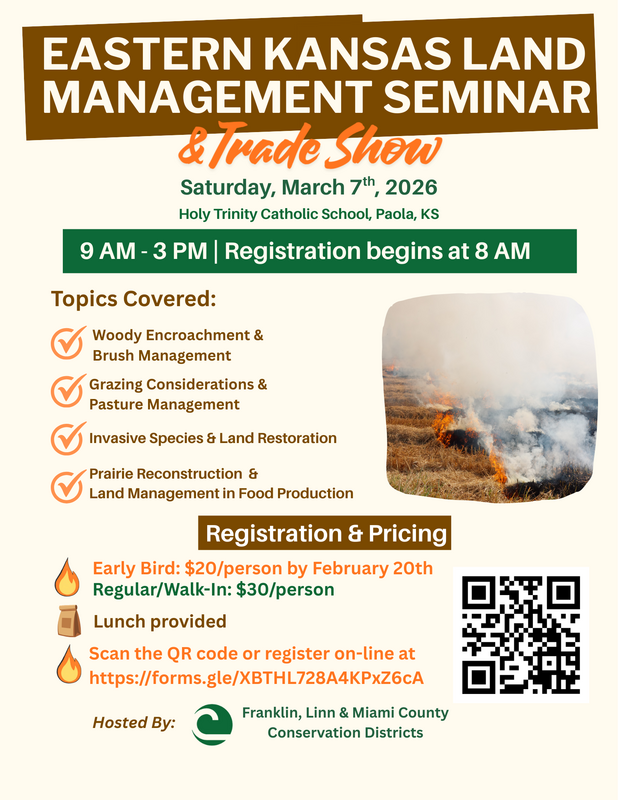
EASTERN KANSAS LAND MANAGEMENT SEMINAR MARCH 7TH
@lionberrytt #elderberry #soilhealth #regenerativefarming #landmanagement #kansasfarmer ♬ original sound – Lionberry
Presentation at the Great Plains Growers Conference
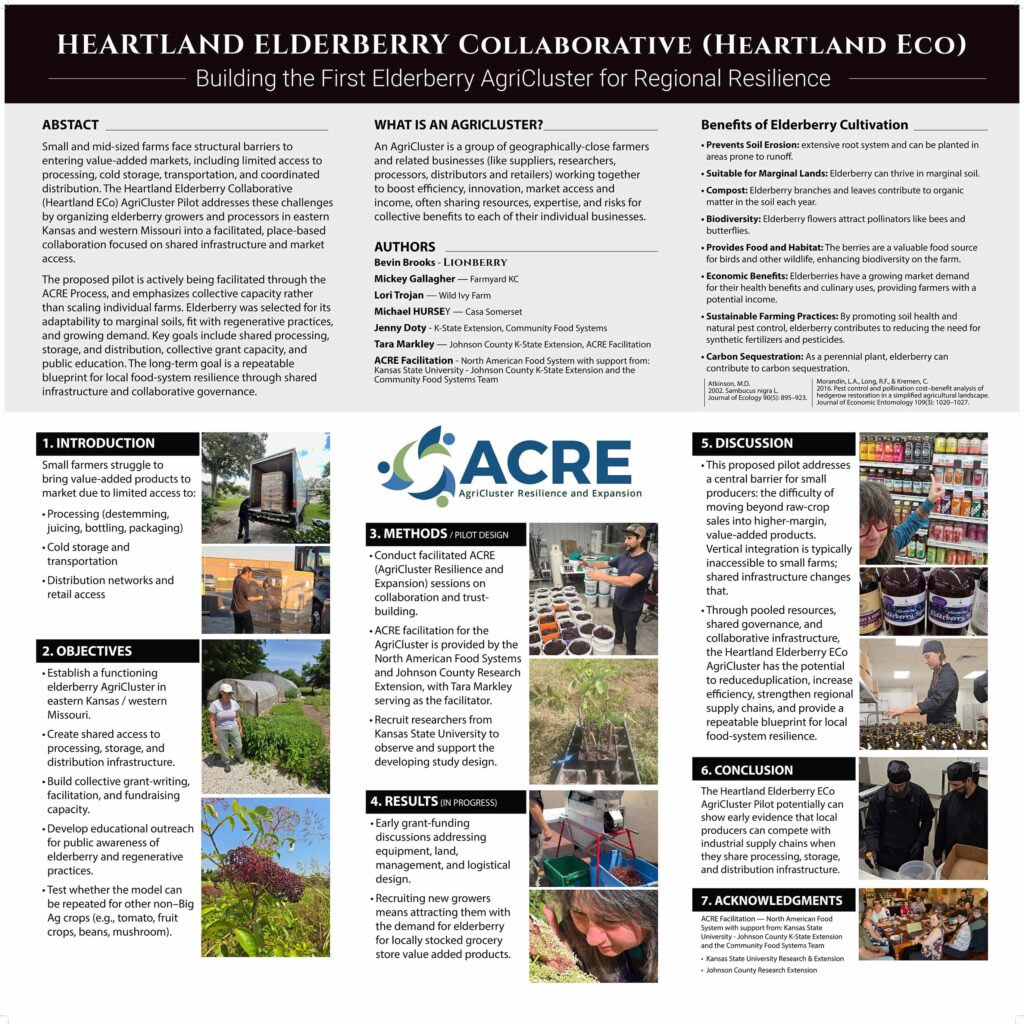
Heartland Elderberry Collaborative (Heartland ECo) “Instead of asking each farm to grow bigger, we’re building shared capacity so farms can stay viable at their current scale while accessing value-added markets.” An AgriCluster Pilot for Shared Infrastructure and Value-Added Market AccessEastern Kansas / Western Missouri PROBLEM CONTEXT Small and mid-sized farms face persistent structural barriers to […]
Elderberry’s Reputation Problem Doing It Right So It Actually Works
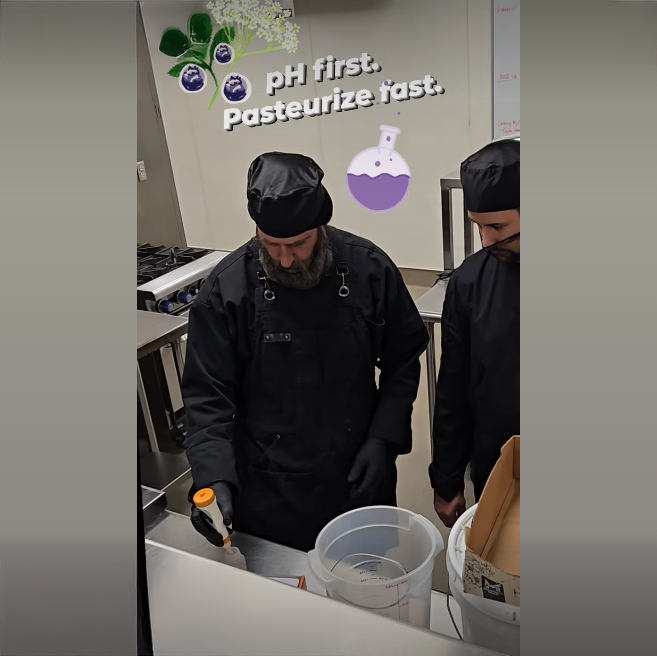
Elderberry has a reputation problem. People try it and they say it kind of works. Sometimes. Maybe a little. That is not the berry’s fault. That is what got done to the berry long before it ever reached the bottle. So let me start with what this berry can actually do when it is done […]
When Words Lose Their Meaning

The phrase “food is medicine” has become the wellness world’s version of “thoughts and prayers.” Everyone says it. Everyone feels good saying it. And almost nobody means anything real when they do. That’s the danger—not the phrase itself, but what happens when language gets stretched so far it stops pointing to anything true. The original […]
Fortifying the Heartland: My Christmas Wish for Hy-Vee.

This week’s delusion is pretending our grocery stores don’t have a weak point. This week’s re-illusion is remembering that strength comes from building on what already works, not acting like we’re starting from scratch. Hy-Vee does a really good job bringing in local barbecue sauces, jams, honey, and other value-added foods from the Heartland. We’re […]