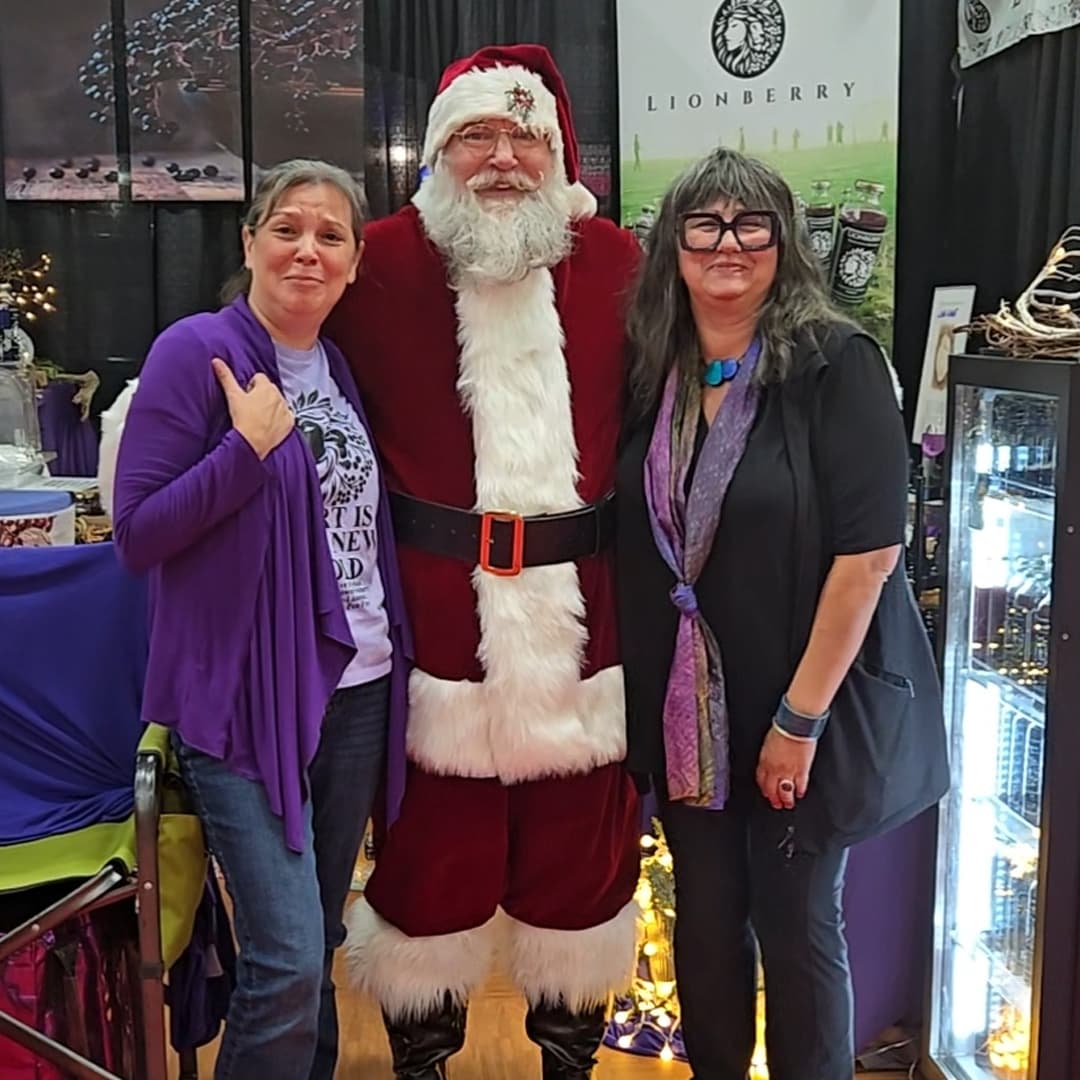
Meet the Lionberry Regenerative Team

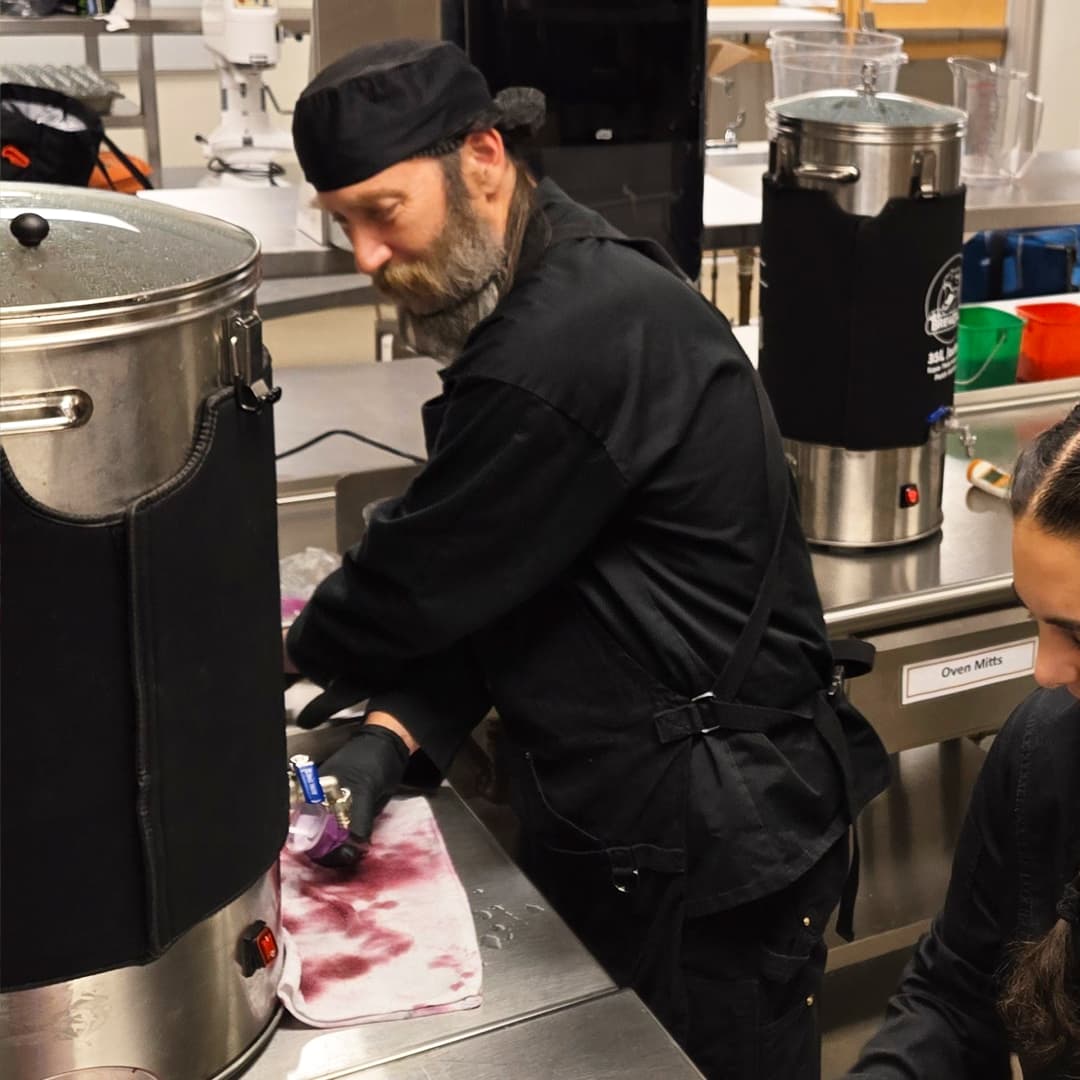
Mychal

Mychal is a Horticulture Student and Assistant Manager. She is passionate about local farms and food networks.
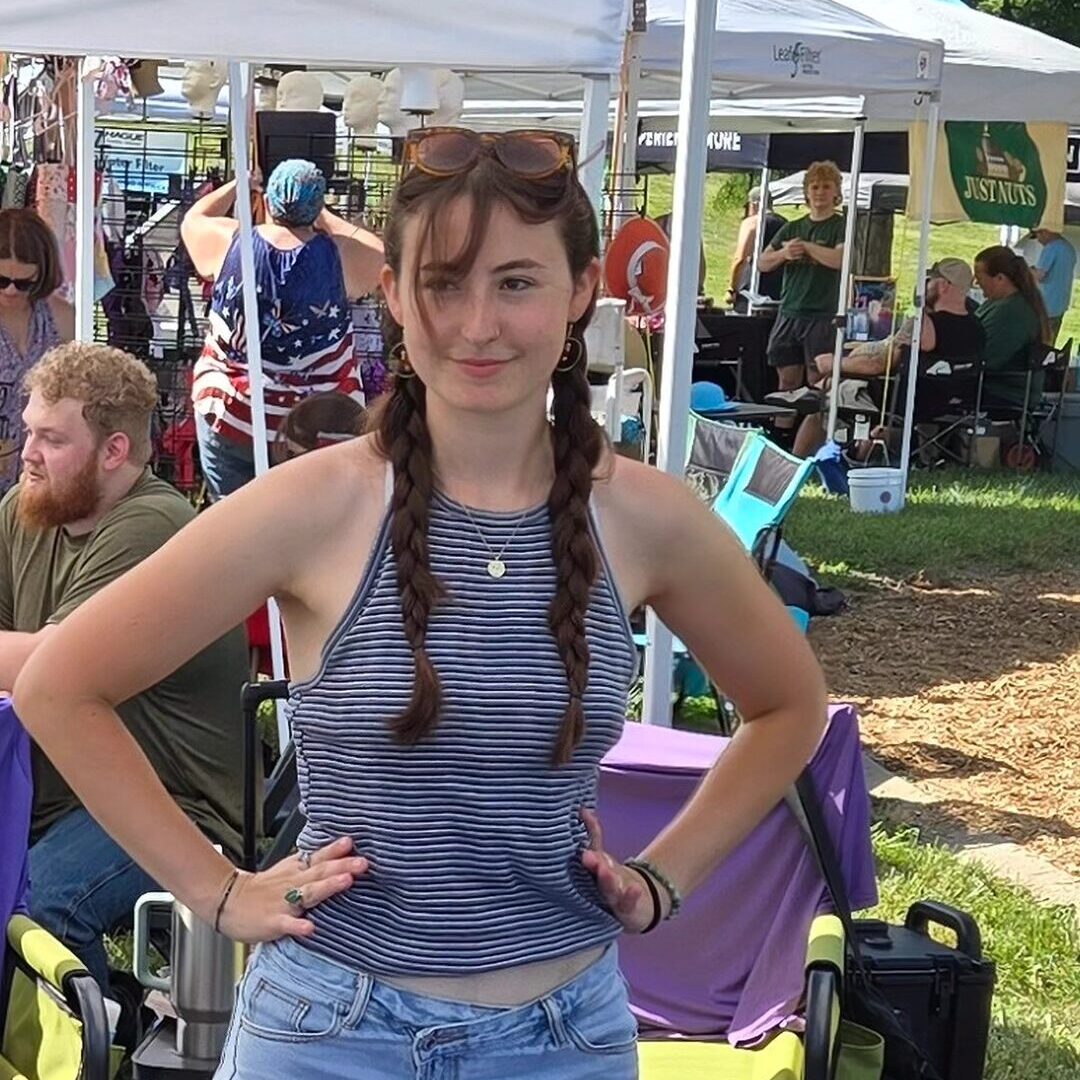
Nessie

Nessie is a Sustainable Agriculture Student looking to find her place in the regenerative farming industry.
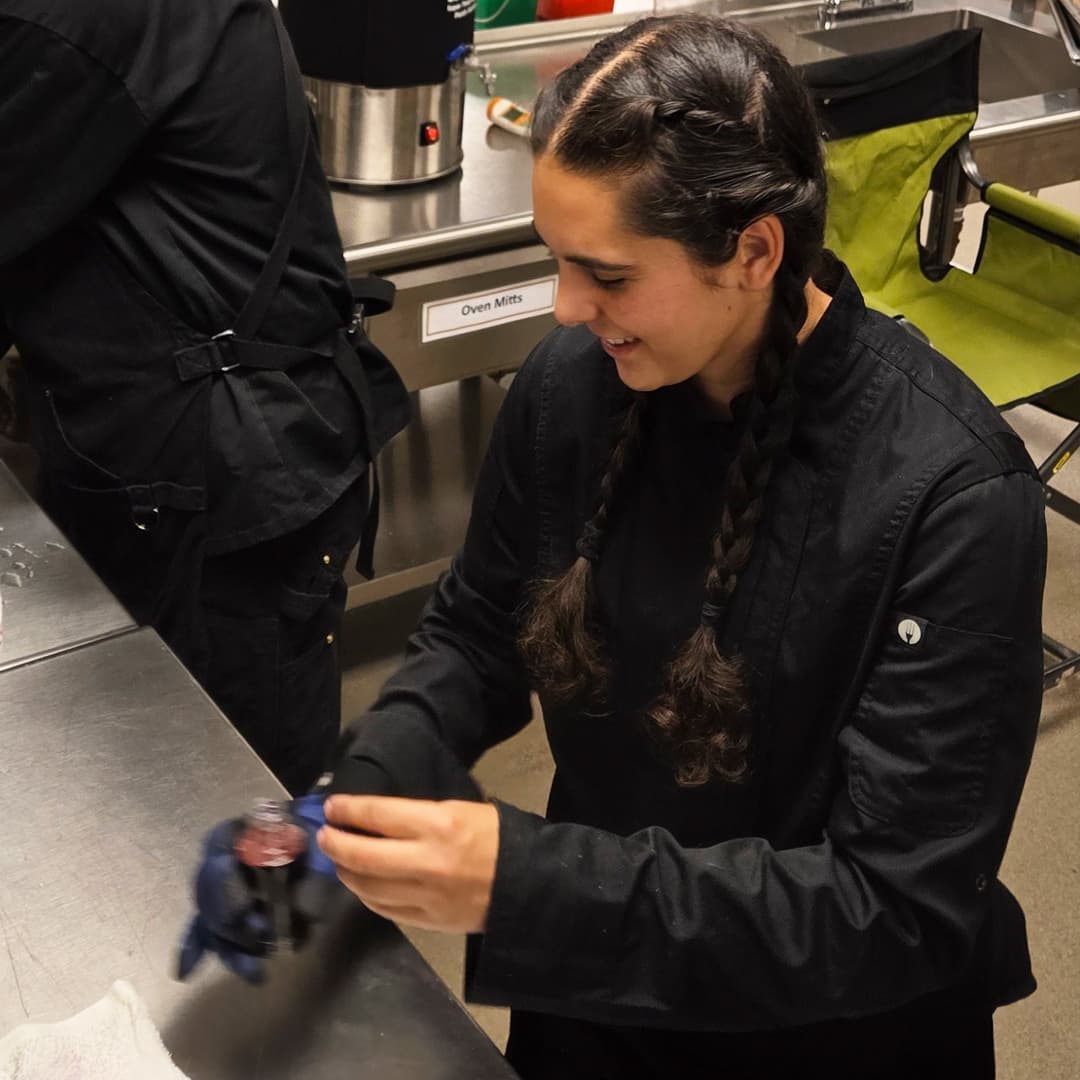
Raeyn

Raeyn got accepted into a Masters degree for Sustainable Agriculture. She works with new technology in hydroponics and composting.
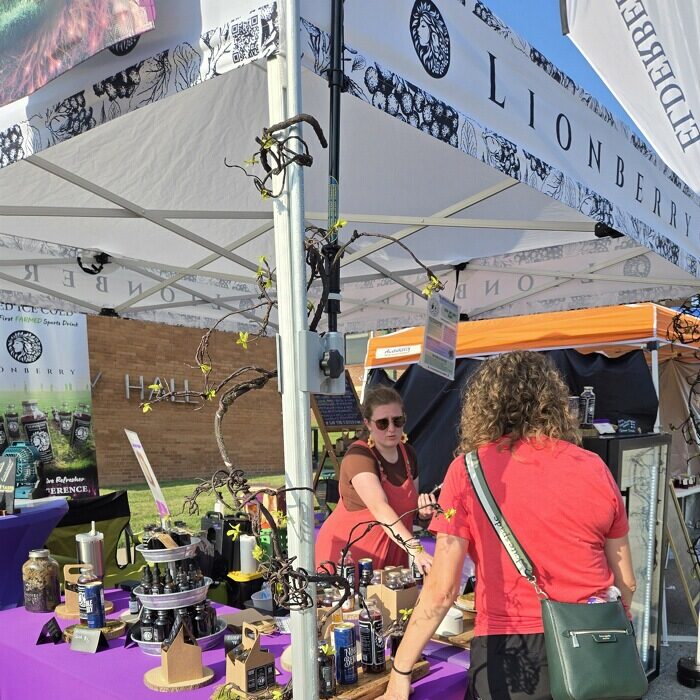
Sam

Sam is a professional musician and farmers market advocate.
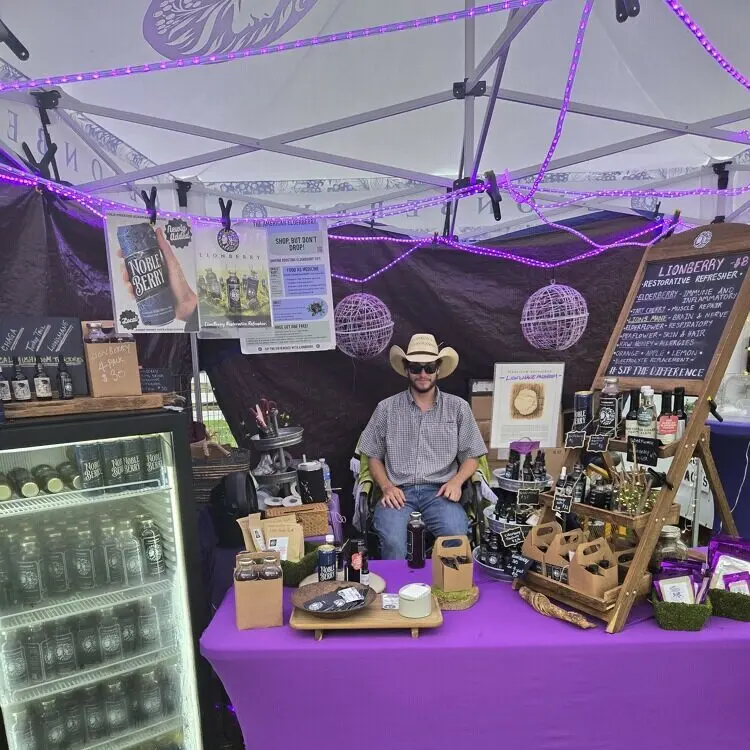
 Our Cowboy
Kevin

Kevin is chief of processing and a welder fabricator. Co-owner.

Jenny

Jenny Doty is a food-systems navigator, K-State/JCCC instructor, USDA grant advisor, and a key LionBerry coach and asset.

Courtney

Courtney is The SHoney Farm Bee keeper and puts the sweetness in LionBerry.
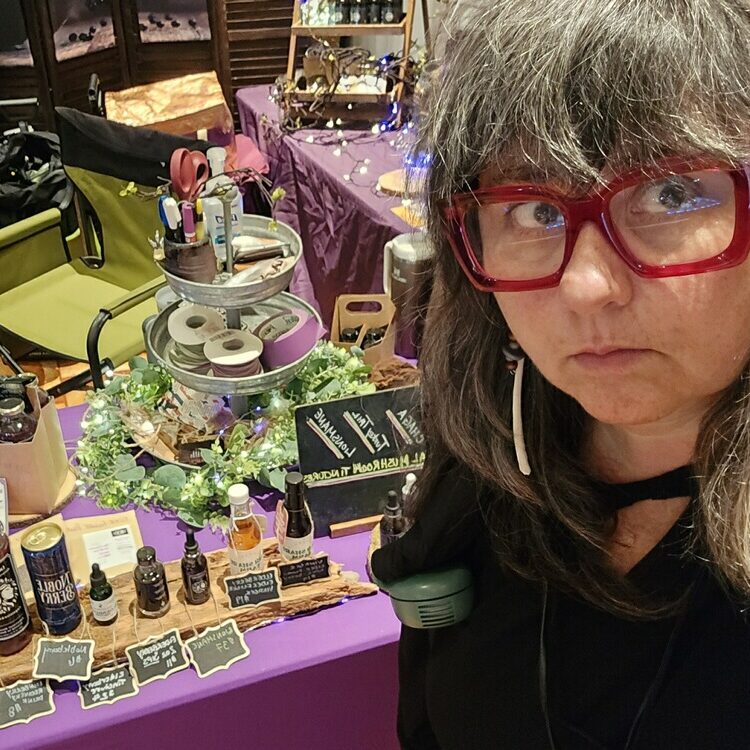
Bevin

Bevin is owner/manager. Co-founded an AgriCluster to help local value added foods get to market.
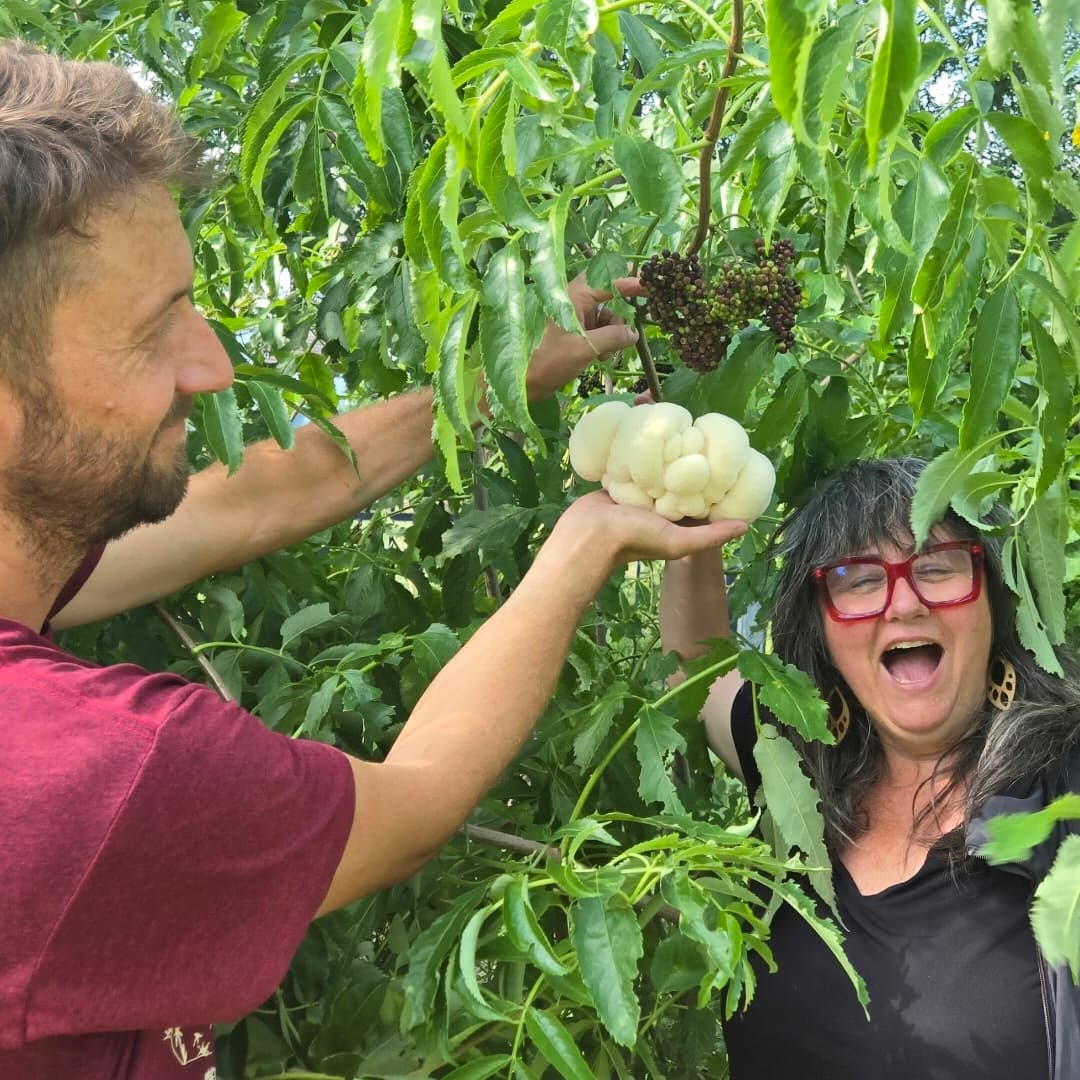
Eric

Eric Myers is our bottling copacker. He just got elected to office in his community. He runs a mushroom farm and teaches other farmers.

Kathleen

Kathleen Gier of KLG Social Media, LLC, is a freelance marketing professional from Overland Park, KS. She is passionate about working with small businesses in the Kansas City area. Kathleen helped to develop our initial website and brand voice, and is now working as a consultant for LionBerry.

Dan and Darren

Website Design, development, Product branding and support.
Presentation at the Great Plains Growers Conference

Lionberry 's Weekly Delusion and Re-illusion Update.

Heartland Elderberry Collaborative (Heartland ECo)


“Instead of asking each farm to grow bigger, we're building shared capacity so farms can stay viable at their current scale while accessing value-added markets.”

An AgriCluster Pilot for Shared Infrastructure and Value-Added Market Access
Eastern Kansas / Western Missouri


PROBLEM CONTEXT

Small and mid-sized farms face persistent structural barriers to entering value-added markets, including:

• Limited access to processing infrastructure
• Limited cold storage capacity
• Transportation constraints
• Fragmented, uncoordinated distribution
• High costs from duplicating equipment and logistics across individual farms

These constraints restrict grower profitability, inhibit vertical integration, and reduce the viability of diversified regional food systems.


WHAT HEARTLAND ECo IS

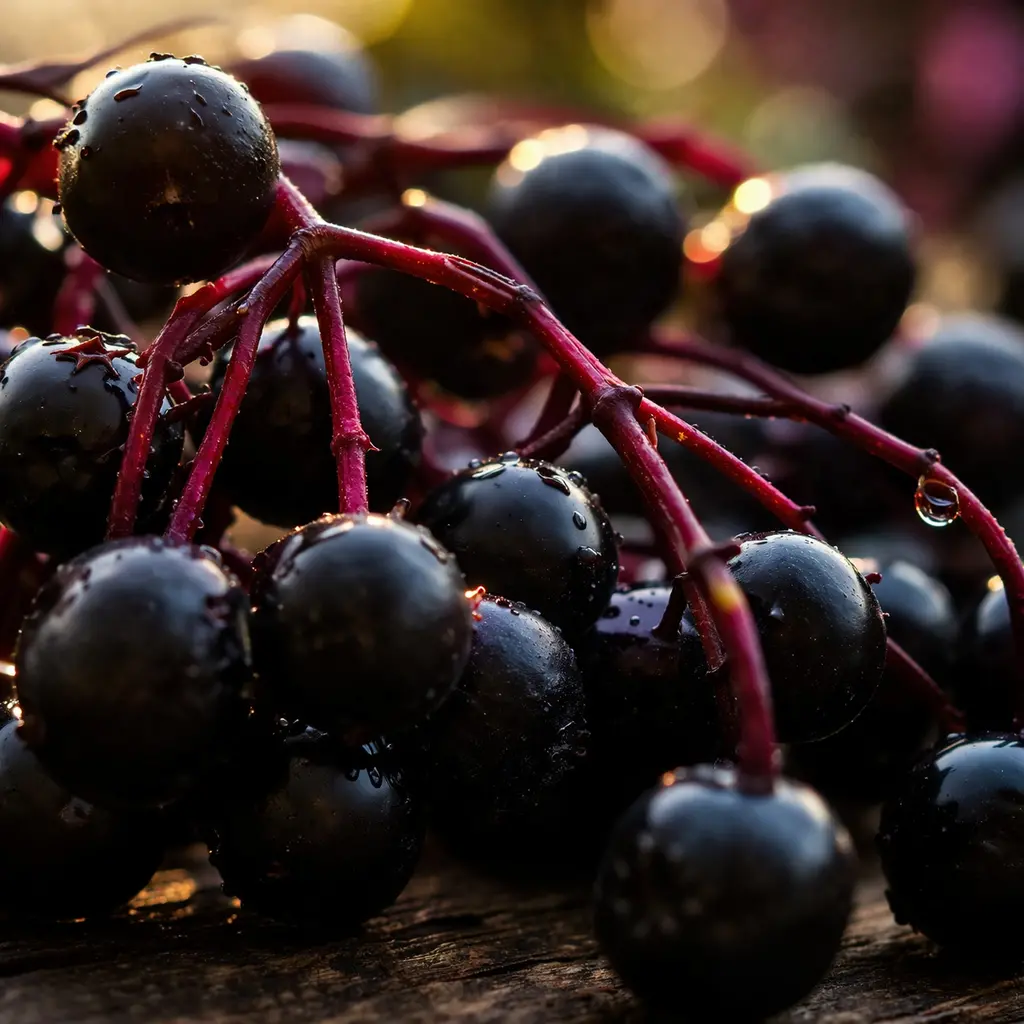
The Heartland Elderberry Collaborative (Heartland ECo) is an active, facilitated, place-based AgriCluster pilot organizing elderberry growers and processors in eastern Kansas and western Missouri.

• Facilitated through ACRE (AgriCluster Resilience and Expansion)
• Emphasizes collective capacity-building and shared infrastructure
• Designed to enable farm-level vertical integration (grow, process, and take products to market)
• Structured to share infrastructure, governance, and market access


WHAT HEARTLAND ECo IS NOT

• Not a single-farm expansion program
• Not a commodity-scale production model
• Not a vertically integrated corporate system


WHY ELDERBERRY

• Performs well on marginal soils
• Integrates with soil-health and regenerative practices
• Supports perennial hedgerows and diversified systems
• Enables multiple value-added pathways (destemming, juicing, beverage and supplement production)
• Aligns with growing consumer demand for regionally produced products

The pilot is explicitly designed to test repeatability across additional non–Big Ag crops, including tomatoes, fruit crops, and legumes.


CURRENT PILOT STATUS

• Core grower group established
• Regular coordination underway
• Shared infrastructure priorities identified
• Grower recruitment initiated
• Early coordination with grocery buyers in progress


SHARED INFRASTRUCTURE HUB CONCEPT

The Heartland ECo model proposes a centralized hub facility located south of Kansas City to support participating farms and processors.

• Aggregation and intake
• Cold storage
• Destemming
• Juicing
• Bottling
• Short-haul regional distribution

The hub is intended to reduce duplicated equipment costs, logistical inefficiencies, and fragmented distribution efforts that commonly limit small-farm participation in value-added markets.


PILOT OBJECTIVES

Establish a functioning elderberry AgriCluster
Create shared access to processing, storage, and distribution infrastructure
Build collective grant-writing and fundraising capacity
Coordinate educational outreach related to elderberry and soil-health practices
Evaluate feasibility of scaling the model across additional crops and regions


FORTHCOMING PILOT STUDY

This poster outlines a proposal for a forthcoming pilot study to formally evaluate the effectiveness of the Heartland ECo model.

• Economic impact
• Grower profitability
• Infrastructure utilization
• Soil-health indicators
• Logistical efficiency
• Replicability across crops and regions

DOWNLOAD POSTER HERE