

My Bevin Brooks Co-Chair of The Heartland American Elderberry Collaborative
A small Trojan in the Heartland, Lori Trojan’s elderberry farm began not with a nursery order, but with a friend’s overgrown backyard bush that needed to be cleared.
Sitting in the kitchen with American elderberry (Sambucus canadensis) farmer and master herbalist Lori Trojan—a great competitor and elderberry friend of mine—I am reminded how hard this one-woman farmer works the dirt every day.
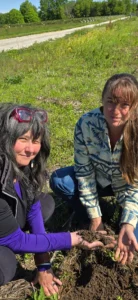
Lori planted those 65 American elderberry cuttings in 2021 on her new Wild Ivey Herb Farm in Palmyra with careful intention, choosing elderberry because, as she says,
“It checked every box: perennial, low maintenance, hedge row, easy to duplicate, manageable for a very short human who is aging.”
Those original cuttings have become far more than a planting. They have become the foundation of a farm, a teaching space, and a community.
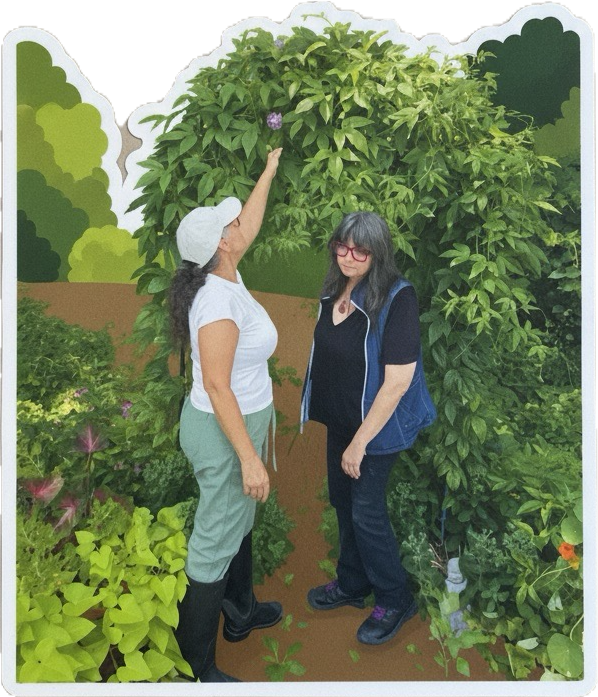
As a farmer, Lori has proven herself as both a grower and an educator.
Throughout each summer she hosts workshops including Making Medicine for Unpredictable Times and Elderberries Workshops Parts I & II, welcoming students into both her fields and her kitchen.
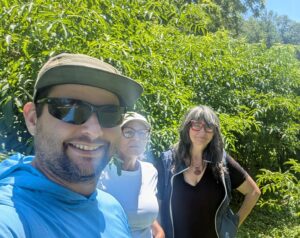
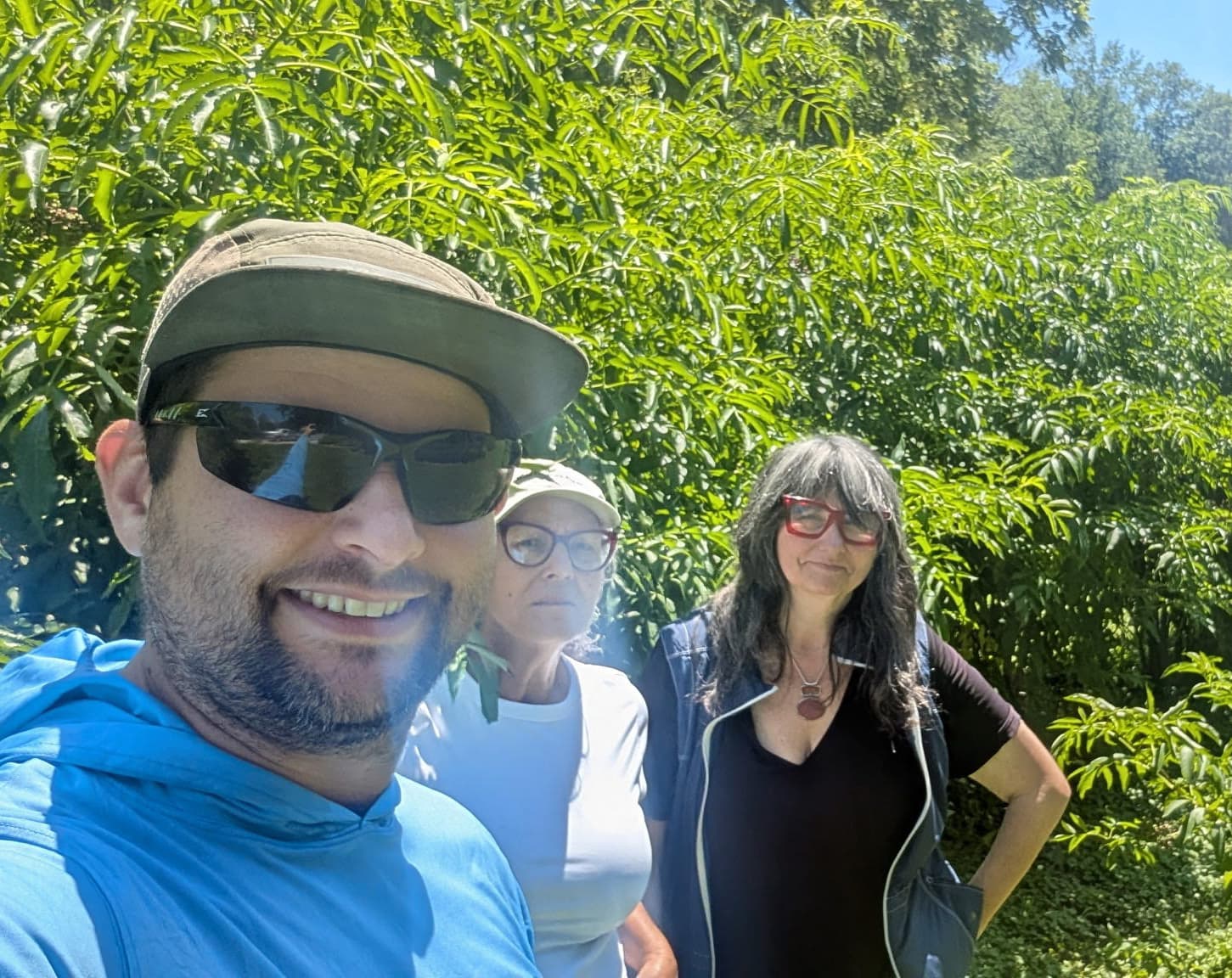
During my visit, Lori, Mickey Gallagher—Project Manager of the Heartland American Elderberry Collaborative (HAECo)—and I sat around her kitchen table, sharing three varieties of her elderberry syrup while discussing farming, herbal medicine, and the future of American elderberry.
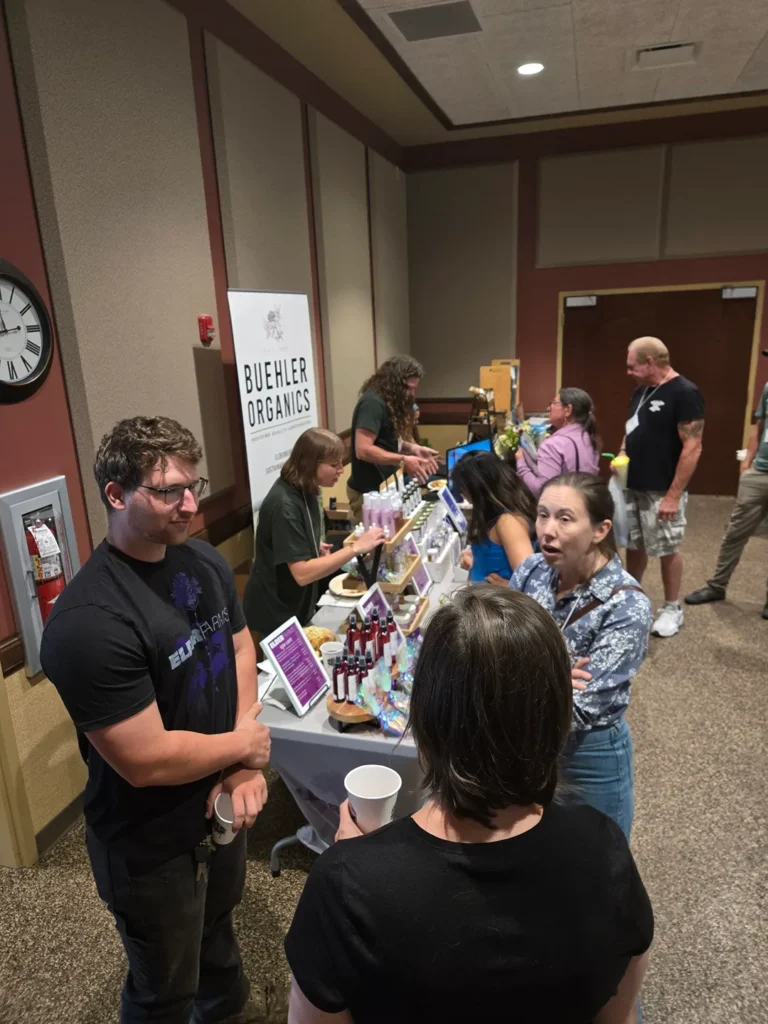
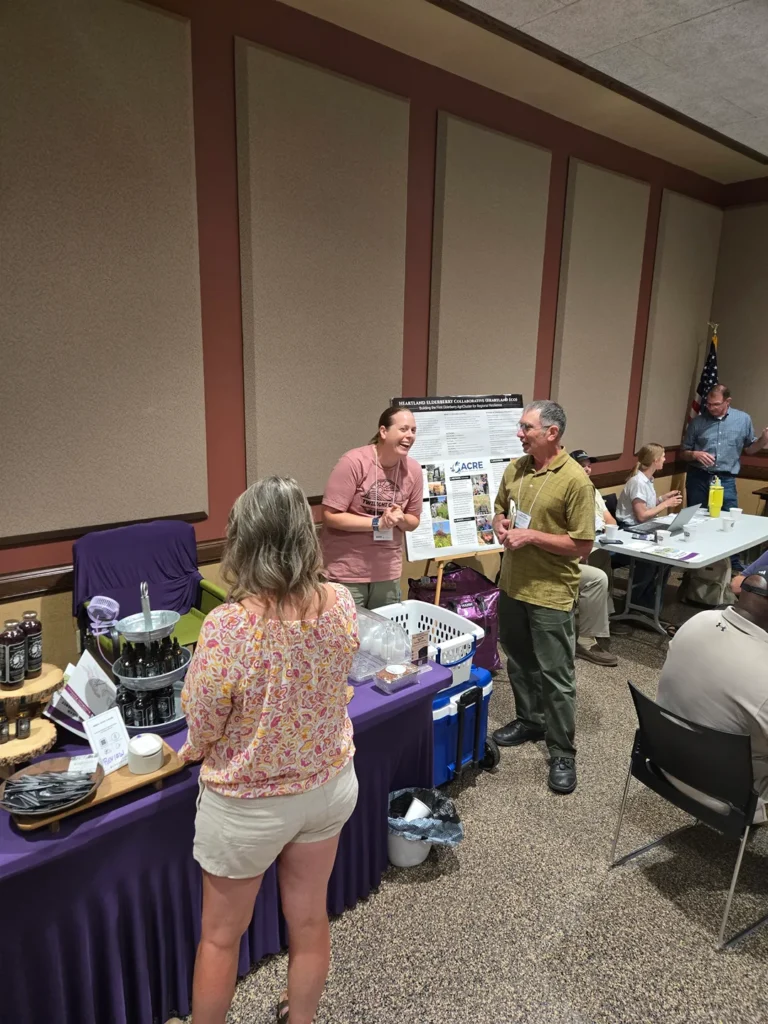
The three of us are founding members of HAECo, brought together through facilitation by the North American Food Systems ACRE Program (AgriCluster Resilience and Expansion).
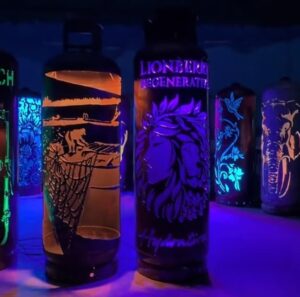
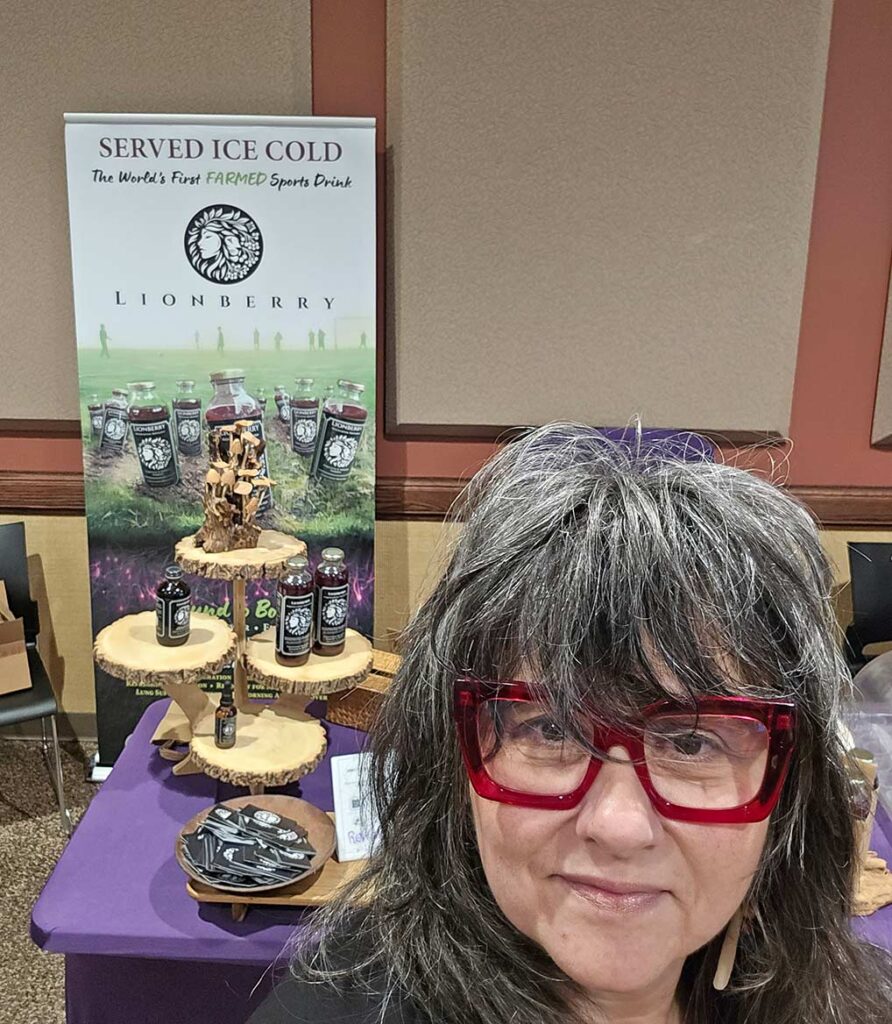
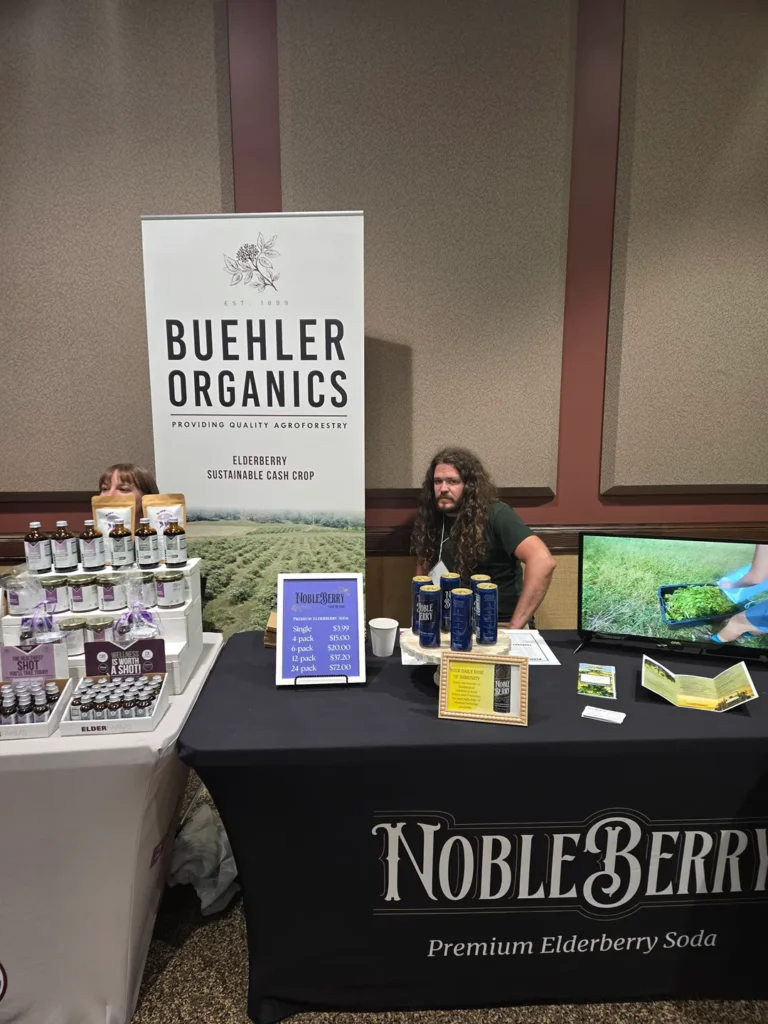
I grow and produce the LionBerry Regenerative line of metabolic recovery beverages, making Lori and me both marketplace competitors and collaborative partners. That balance reflects something unique about the American elderberry industry: we understand that growing the category benefits everyone.
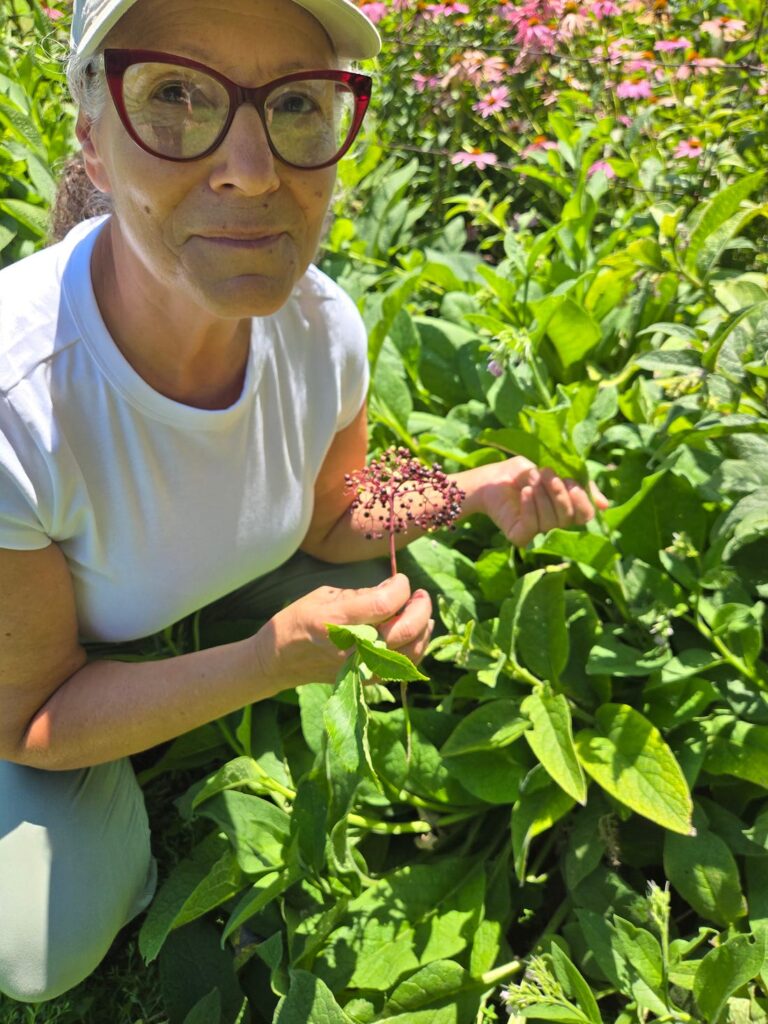
What began with sixty-five cuttings has now expanded into more than four hundred thriving elderberry bushes.
Lori harvests everything by hand, often disappearing into dense hedgerows that tower above her.
She smiles when she talks about the plants.
“The plant is forgiving. It wants to grow. It wants to feed you. You just have to get out of its way.”
Then she adds what may be the simplest description of her entire farming philosophy.
“I don’t force the elderberry.”
Her farm produces elderberry syrups, vinegars, tinctures, and herbal products, each reflecting the same principles of food as medicine, soil stewardship, and community resilience.
As Lori explains,
“Everything I do is a balance of science and magic.”
Her products now appear in local grocery stores, natural food markets, and regional retailers, but perhaps her greatest product is knowledge itself.
Education has become as central to Wild Ivey Herb Farm as farming.
Students visit to learn propagation, harvesting, processing, and herbal preparation.
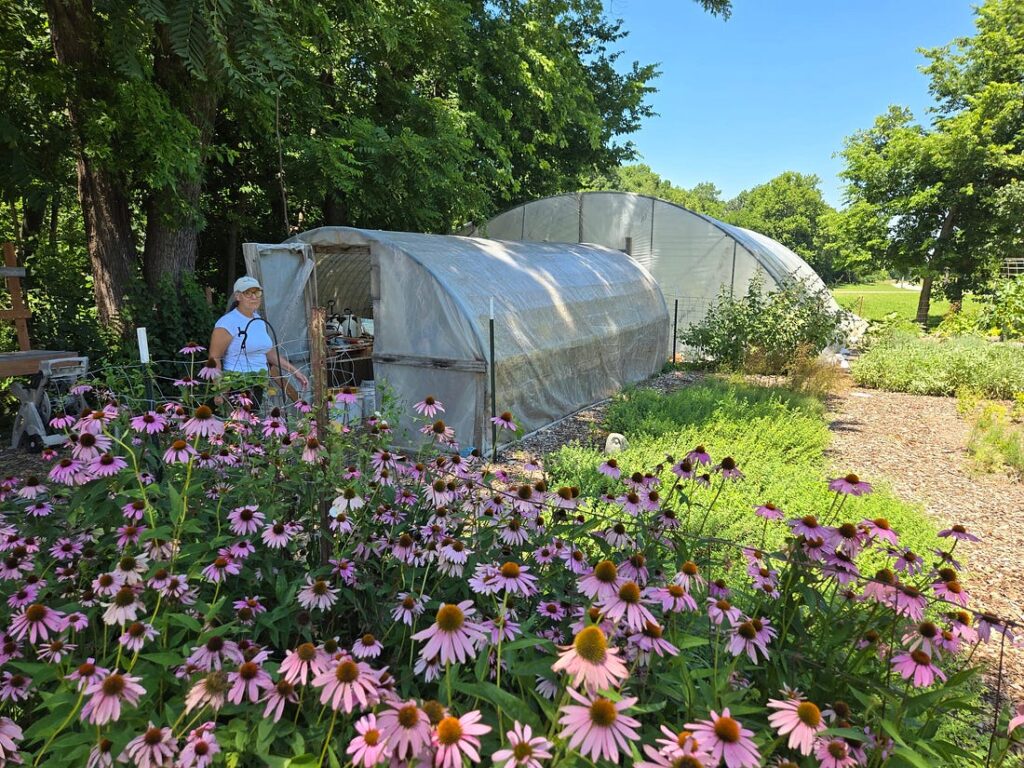
Growers exchange ideas.
Neighbors leave with cuttings.
The farm has quietly become a gathering place.
Lori’s vision extends well beyond her own acreage.
“When I started the farm, I was looking for a crop that was sustainable. Truly sustainable.”
She believes elderberry offers opportunities for everyone—from large commercial farms to homeowners with only a backyard.
“There is a massive benefit to anyone who has land… whether you are a farmer with hundreds of acres or someone with just a backyard patch.”
For Lori, stewardship always comes first.
She often says,
“To plant an elderberry is to bring a land to life.”
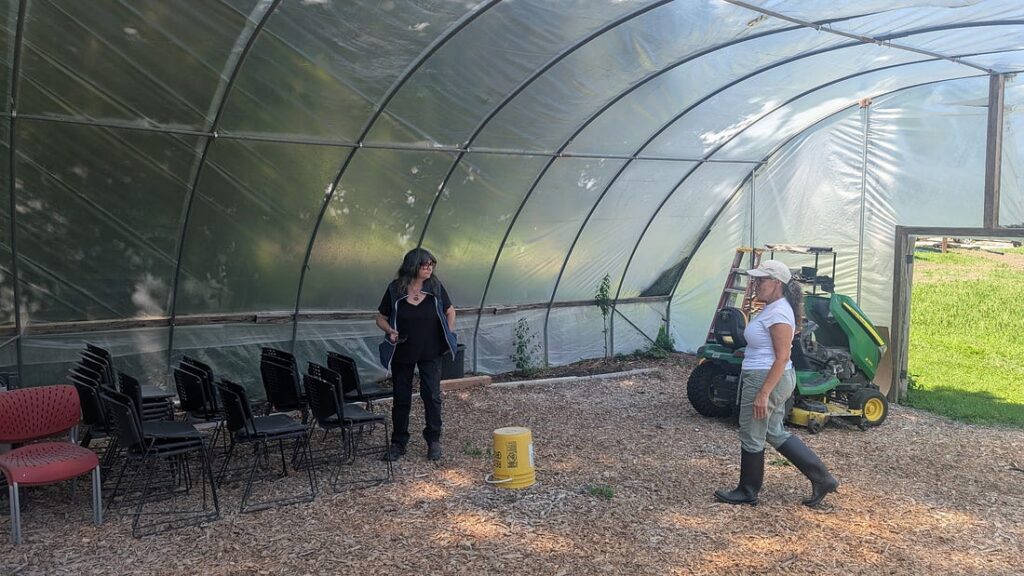
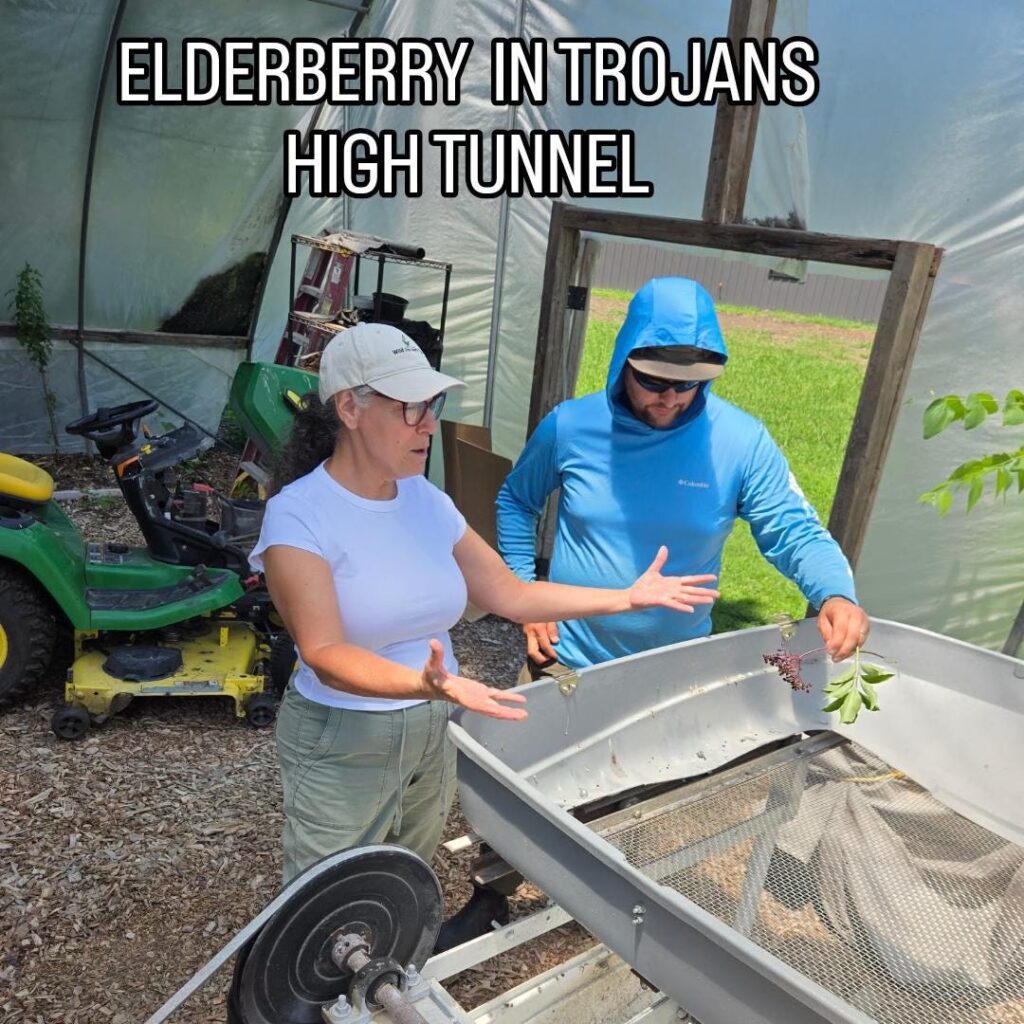
After touring the herb gardens and elderberry hedgerows, Lori showed Mickey and me through her high tunnel.
Inside sat one of her newest additions: an elderberry de-stemmer purchased through a KC Cultivate grant.
Before either of us could ask about it, Lori explained that she intended to share the equipment with members of the Collaborative.
It wasn’t simply a machine.
It was another investment in the success of everyone around her.
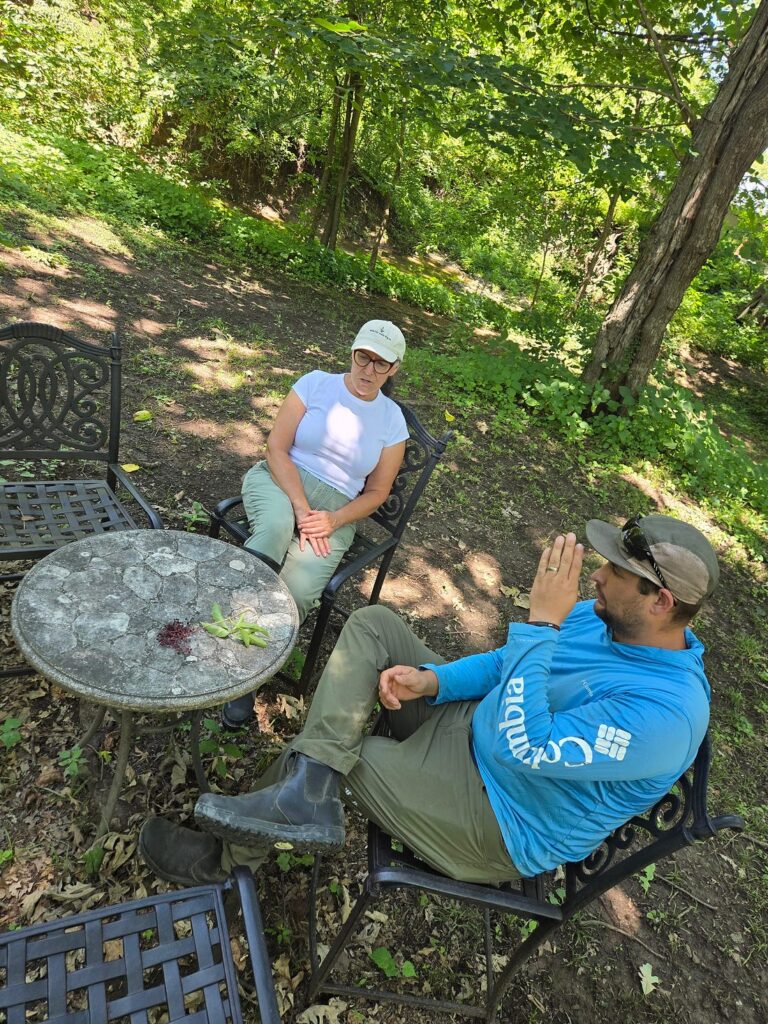
Later we wandered toward the creek that winds through the property.
Sitting beneath mature trees, our conversation shifted naturally toward science.
As someone who often occupies the science seat, I brought up preserving anthocyanins through proper stabilization before freezing and discussed the importance of quality analysis using HPLC and mass spectrometry.
Our discussion turned to the growing body of research examining American elderberry’s potential role in blood sugar regulation, fat oxidation, gut microbiome health, and metabolic recovery.
Research from Washington State University and other institutions continues to expand our understanding of this remarkable native fruit.
Good farming and good science are strongest when they grow together.
The American elderberry spreads differently than most agricultural success stories.
It does not spread through conquest.
It spreads through generosity.
Every rooted cutting shared with another grower…
Every workshop taught…
Every piece of equipment loaned…
Every conversation around a kitchen table…
These become the real harvest.
Lori’s work demonstrates that resilient agriculture grows through relationships every bit as much as it grows through soil.
“Elderberry is probably one of the greatest gifts that Mother Nature has bestowed upon us,” Lori says.
“I think elderberry is the medicine not just of the past, but certainly of the future.”
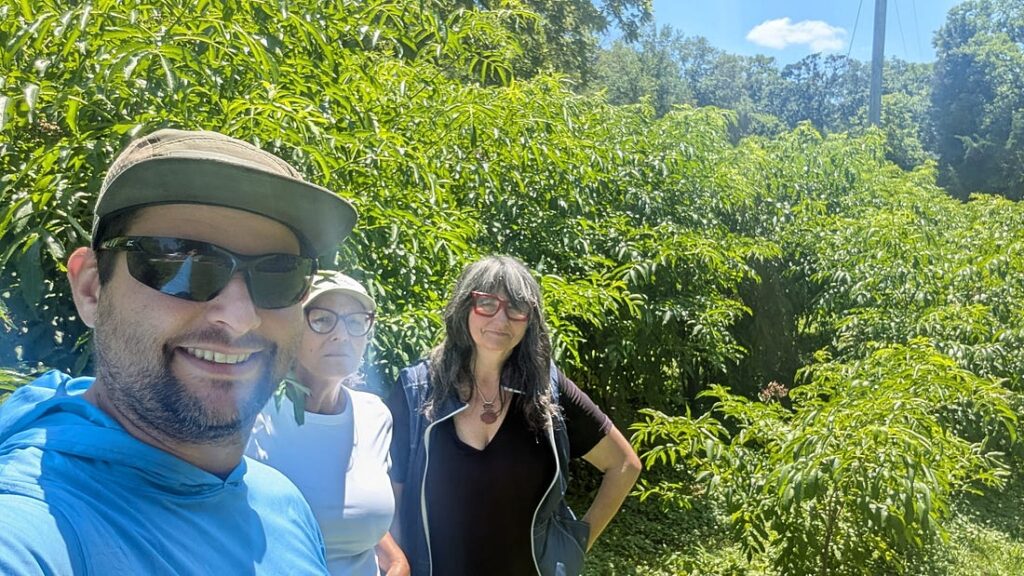
Standing among the hedgerows at Wild Ivey Herb Farm, it becomes clear that Lori Trojan is cultivating much more than elderberries.
She is cultivating trust.
She is cultivating community.
She is cultivating the next generation of growers.
And she is quietly proving that lasting agriculture grows one rooted cutting, one shared lesson, and one generous act at a time.
Help us grow the future of American elderberry.
Root for Local Farms
The Heartland American Elderberry Collaborative connects growers, researchers, educators, makers, and agricultural partners working to strengthen the future of American elderberry in the Heartland.
Learn more at heartlandamericanelderberryco.com