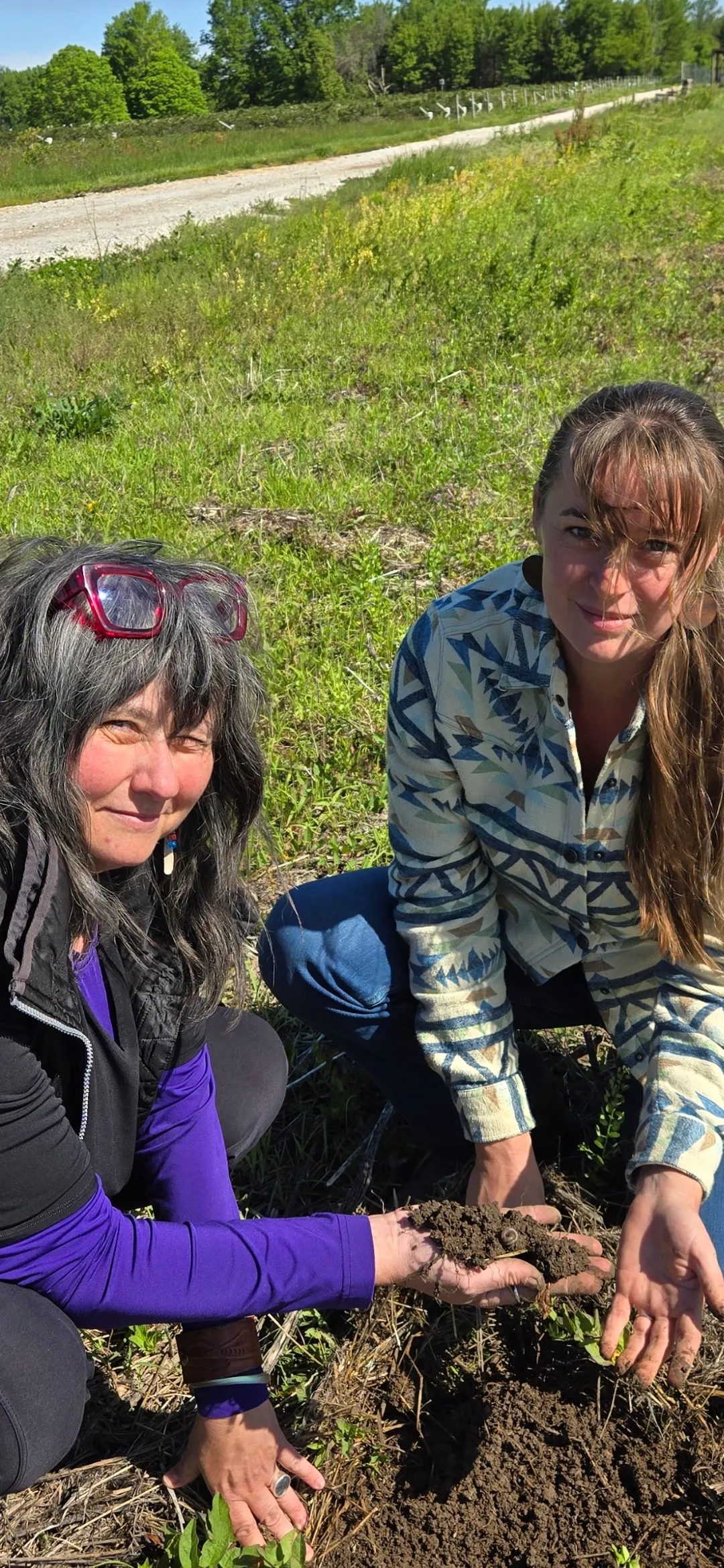
Dirty Deeds Done Dirt Cheap… American Heartland Elderberry Collaborative Hits the Road

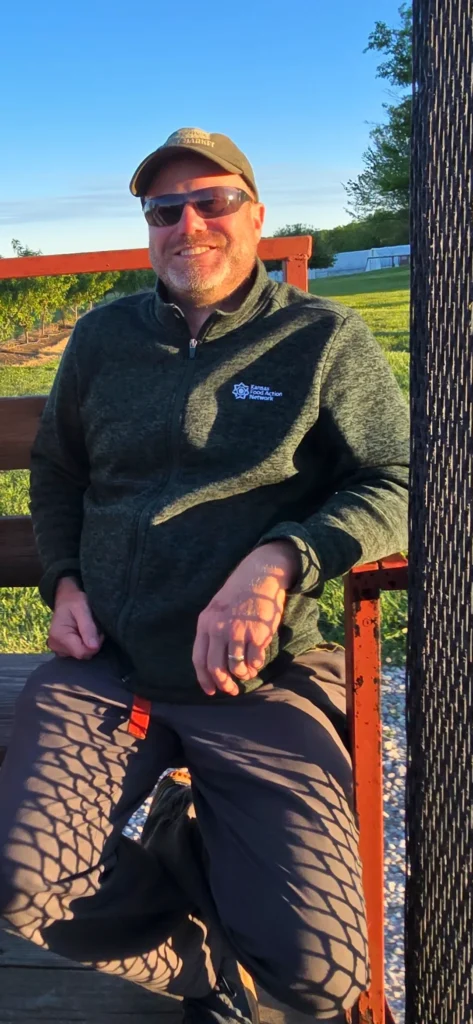
Farmer Mickey Gallagher, the “Johnny Elderberry Seed” of KC Farmyard, joined by Bevin Brooks of LIONBERRY, are the co-chairs of the American Heartland Elderberry Collaborative… AHECo.

They have been touring member farms of their AgriCluster and helping to cultivate the American elderberry across Kansas and Missouri.

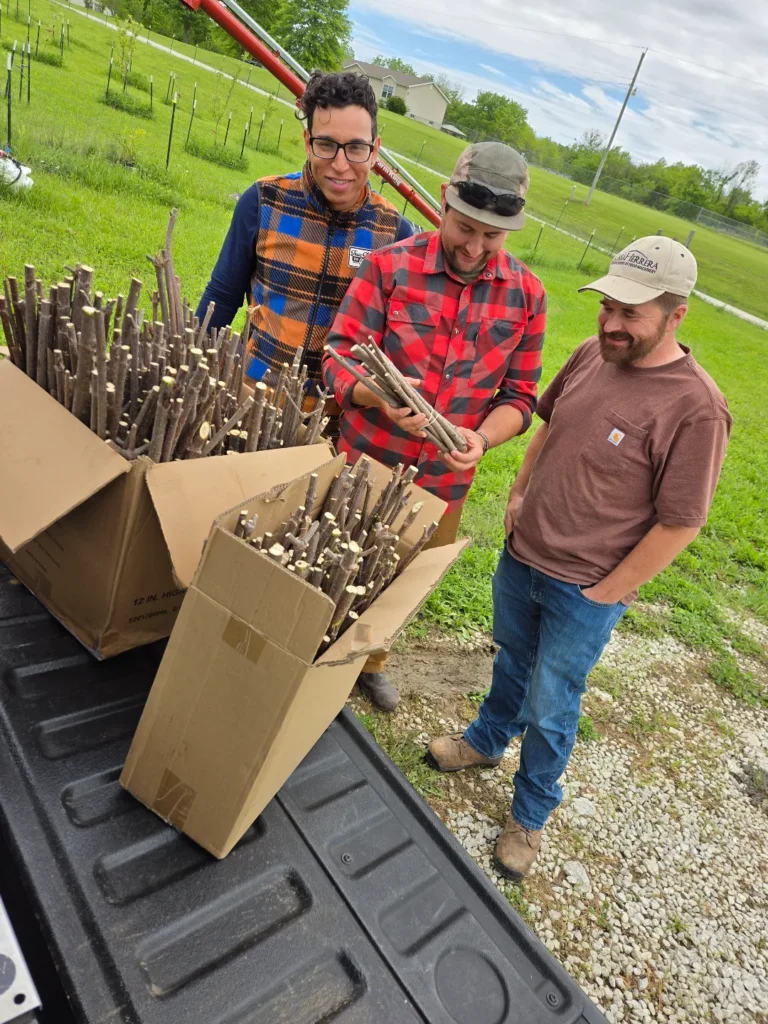
This week the co-chairs visited Jeremy Fyler of Fyler Farms and helped him start his elderberry orchard. Jeremy operates a flour mill and has an impressive start to a fruit orchard. The co-chairs brought him 500 cuttings that Jeremy purchased from Michael Hursey of Casa Somerset, a fellow AgriCluster member.
The newly formed elderberry AgriCluster… American Heartland Elderberry Collaborative… also spent a long day of farm visiting with fellow AgriCluster member Cassandra Nichole at Colonial Gardens, Good Oak LLC, and Powell Gardens. The group discussed elderberry and its role in regenerative farming and how it can help restore marginal soil.
Mickey Gallagher is the in-house farmer at Casa Somerset Elderberry Orchard, and he also runs KC Farmyard, where he grows impressive ginger and specialty crops.
Later that evening, AgriCluster members crossed back into Kansas from Missouri to attend a lecture on fruit farm agritourism at Gieringer’s Family Orchard & Berry Farm. There, AgriCluster core member Lori Trojan of Wild Ivy Herb Farm, AgriCluster members Siri and Robert Leonard, and new member Tom Buller of Kansas Rural Center learned and discussed soil health and specialty crops.


DIRTY DEEDS DONE DIRT CHEAP

Why Elderberry?

  • Why Elderberry?
  • Performs well on marginal soils
  • Prevents soil erosion
  • Integrates with soil-health and regenerative practices
  • Supports perennial hedgerows and diversified systems
  • Brings in the pollinators
  • Strengthens the ecosystem
  • Sequesters carbon
  • Increases mycorrhizal activity
  • Stabilizes poor soil
  • Is a perennial that can be cut down each year and composted
  • Aligns with growing consumer demand for regionally produced products
  • Disrupts the global supply chain
  • Food is medicine
  • Follow co-chairs Mickey and Bevin in a day in the life of stewarding elderberry with DIRTY DEEDS DONE DIRT CHEAP.

PART 1

We start the day in Kansas at Casa Somerset, where we pick up elderberry cuttings from Michael Hursey to deliver to a farm in Missouri.
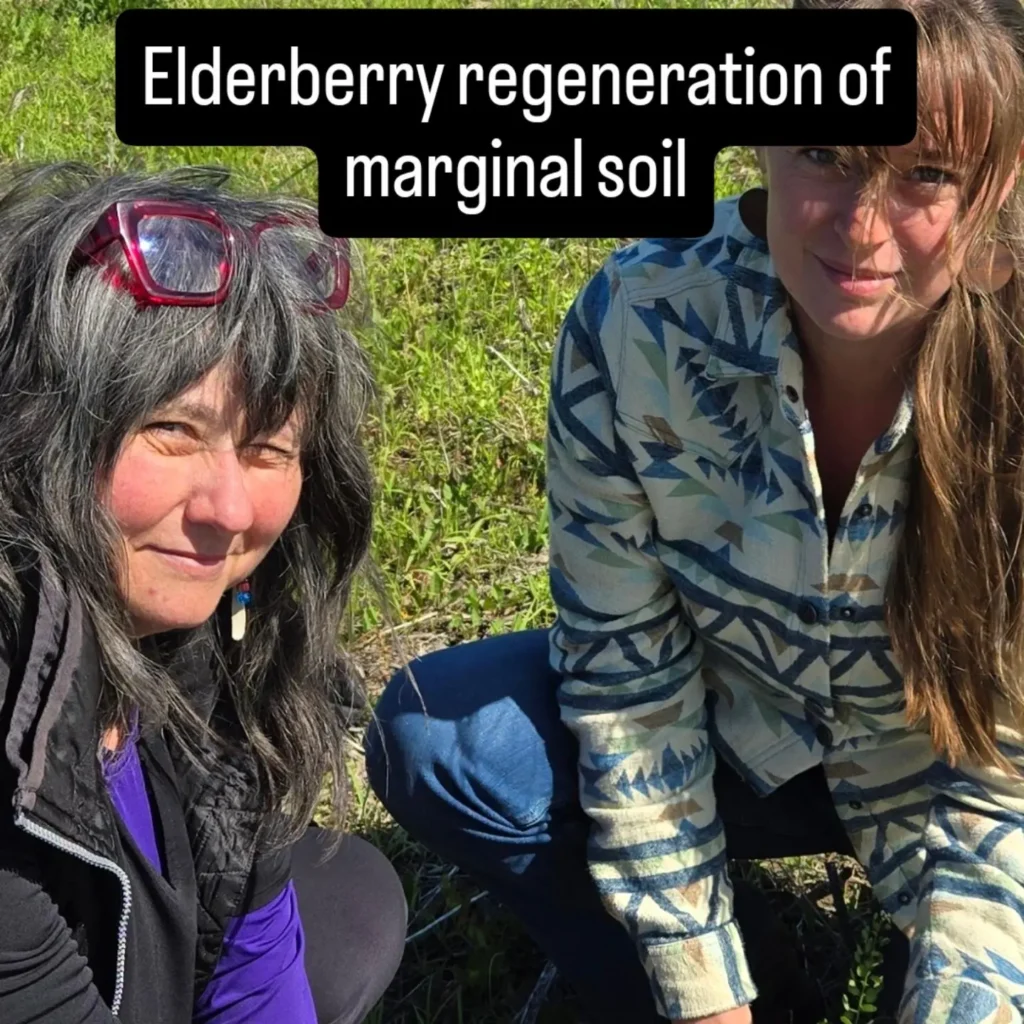
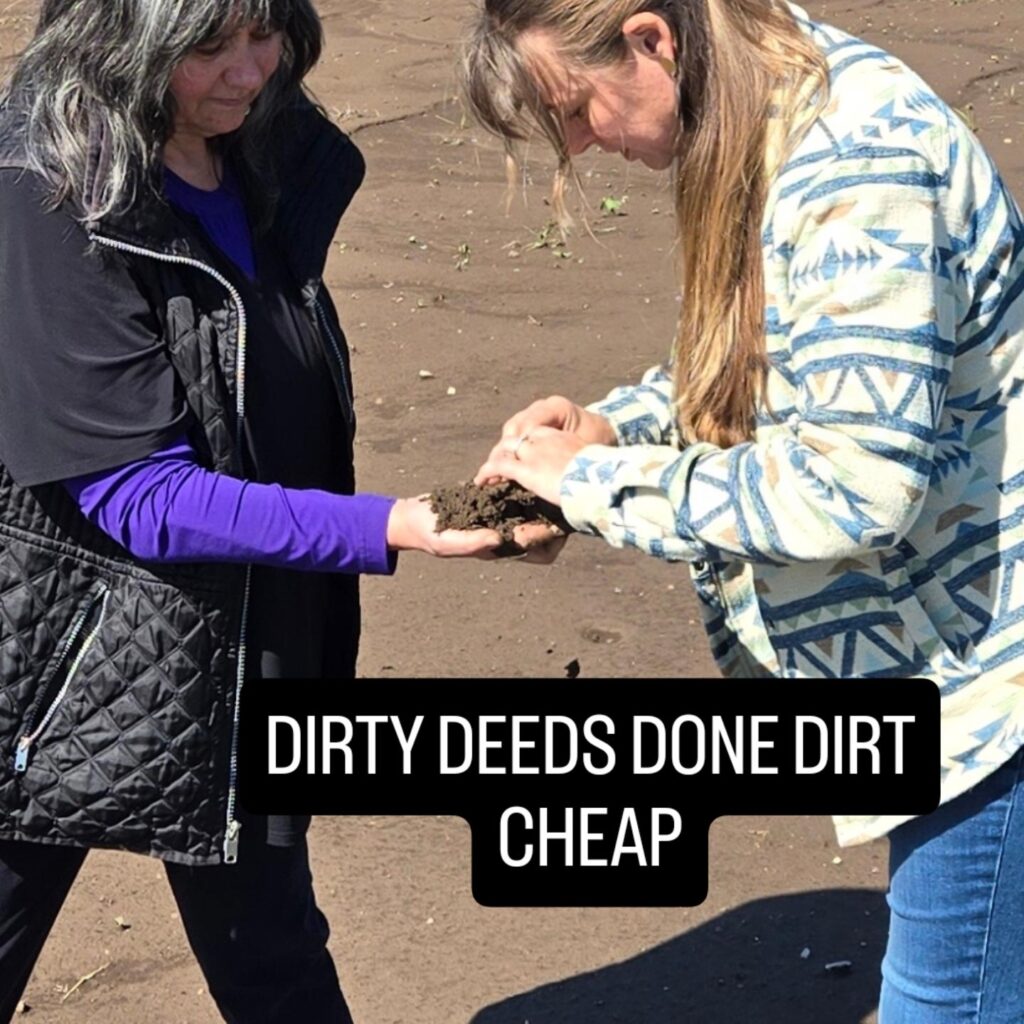
At Colonial Gardens, Cassandra and Bevin compare good soil… rich with mycorrhizal life… to soil that was subjected to unknown pesticide chemicals five or six years ago. We discuss the possibilities of elderberry in the marginal soil in Missouri.
Elderberry may be the answer. DIRTY DEEDS DONE DIRT CHEAP.
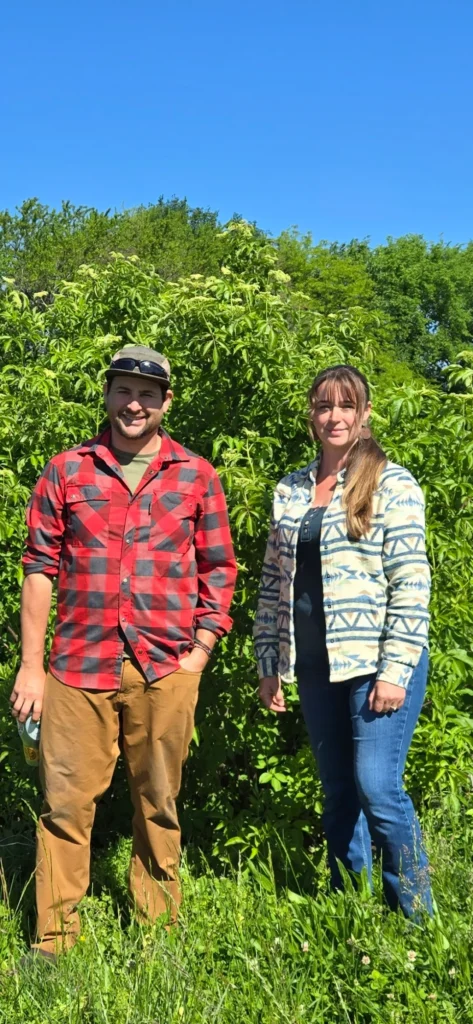
Mickey and Cassandra in the Elderberry at Colonial Gardens newly acquired by Powell Gardens.
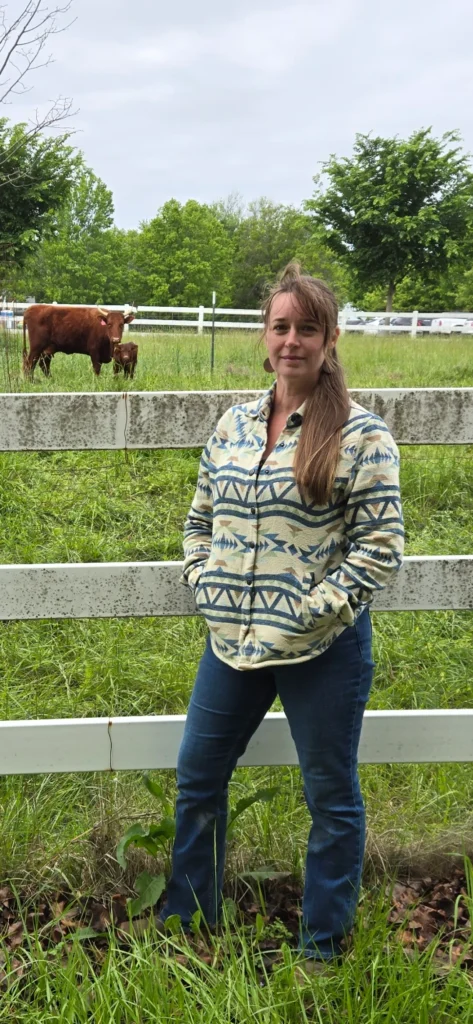
Cassandra, lifelong feral female farmer, is a member of the American Heartland Elderberry Collaborative and focuses on our future infrastructure. She also runs Good Oak LLC, where they have more elderberry and her famous critters.
Later that day, AHECo co-chairs Mickey and Bevin made a farm visit with Jeremy of Fyler Farms, who is adding American elderberry (Bob Gordon variety) to his orchard. These 500 cuttings are from Casa Somerset’s elderberry orchard. More DIRTY DEEDS DONE DIRT CHEAP as we transport elderberry cuttings across state lines.
Jeremy has a lot of new projects on his farm and lots of room for elderberry to help with his Missouri soil health.


PART 2

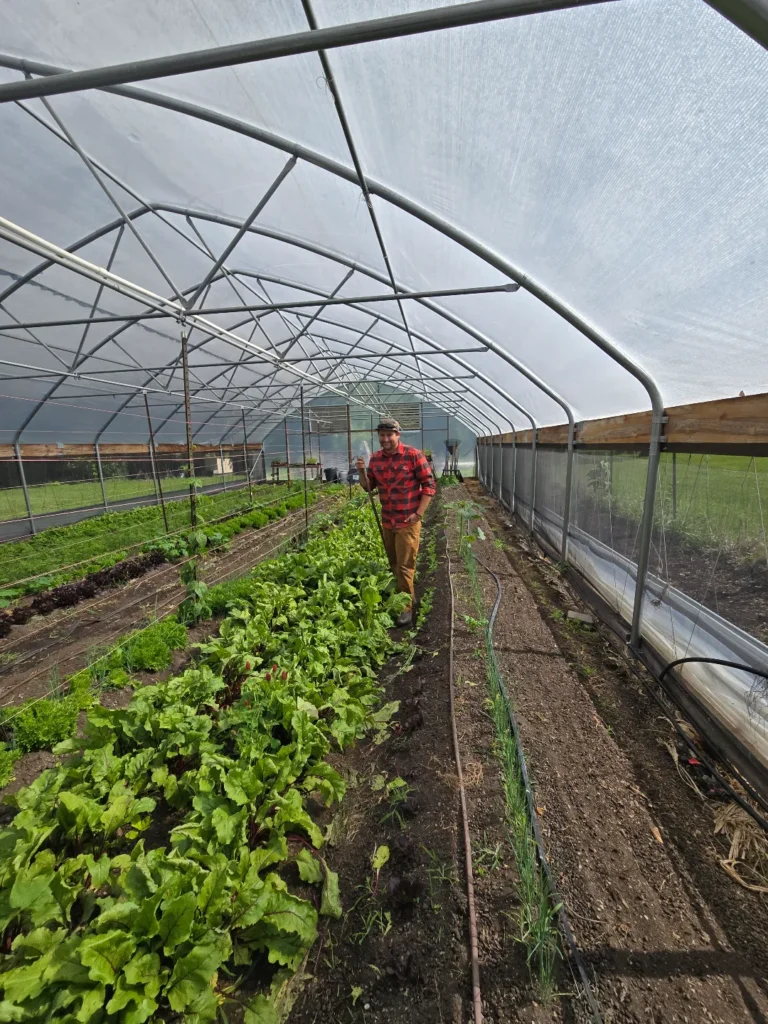
Back in Kansas, Mickey shows us his high tunnel at KC Farmyard and the Casa Somerset elderberry, for which Mickey is the caretaker.
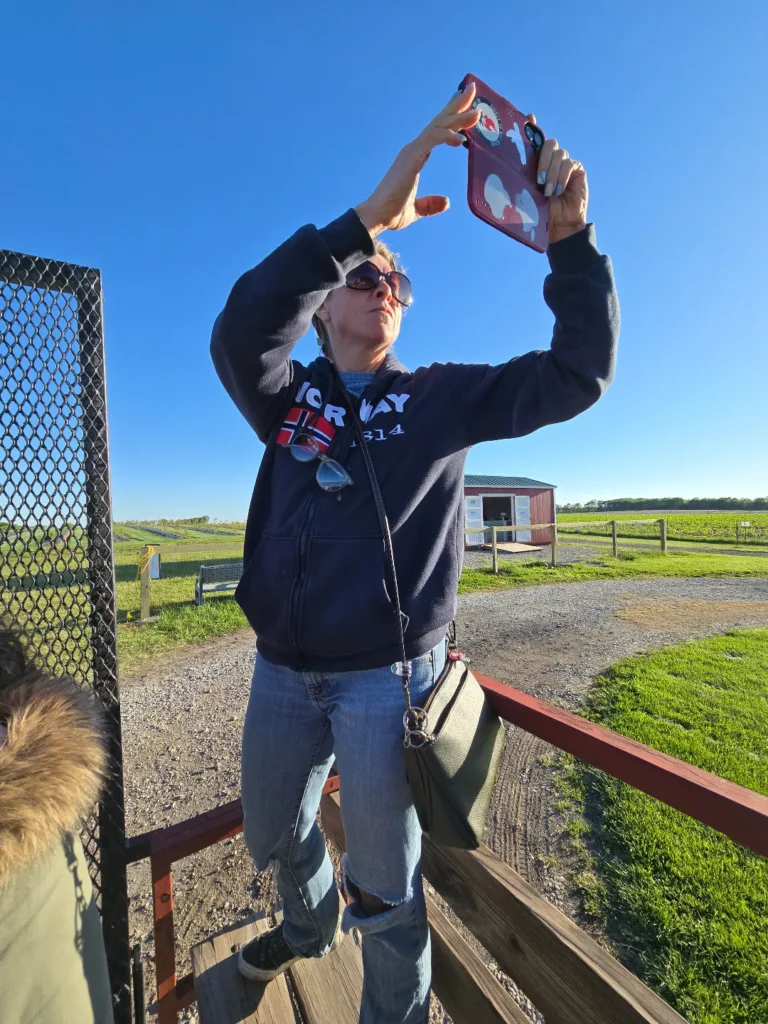
In the evening we joined more members of the AgriCluster American Heartland Elderberry Collaborative to learn about fruit and specialty crops on a tour of Gieringer’s Family Orchard & Berry Farm.
Siri Leonard, a member of the American Heartland Elderberry Collaborative, works on the Growers Subcommittee shaping good elderberry growing processes, standards, and stewardship.
Here, Tom Buller is enjoying the special tour around the farm. We are thankful to have Tom jump in to help lead up our structural framework. We are lucky to have his experience in building the business bones and legal frame-raising of a new AgriCluster. Tom has elderberry on his land and is thinking about more.
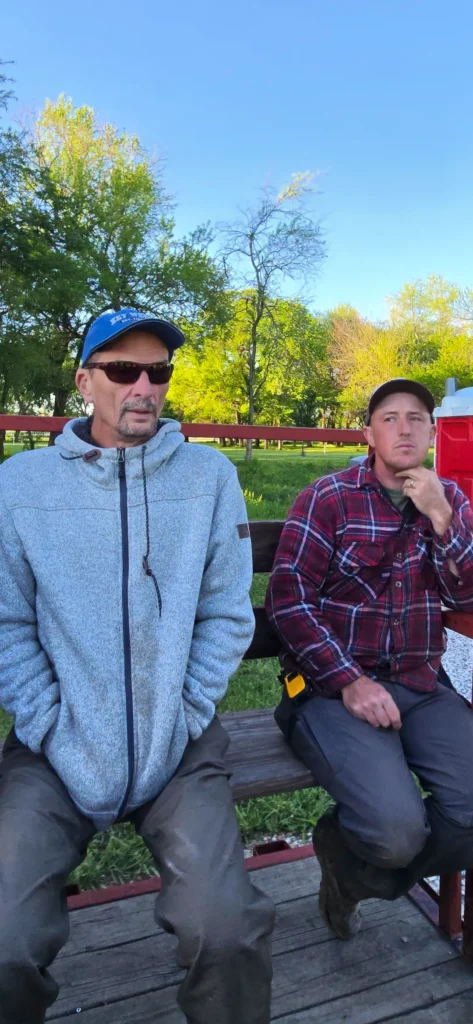
Above is Robert Leonard, who has been with the AgriCluster since the early days. He and his wife Siri have their elderberry in the ground and are adding more. He is involved with plans to strengthen the market for elderberry.
Next to Robert is a farmer we are wooing… Jacob of JET Farms. GOT ELDERBERRY YET?
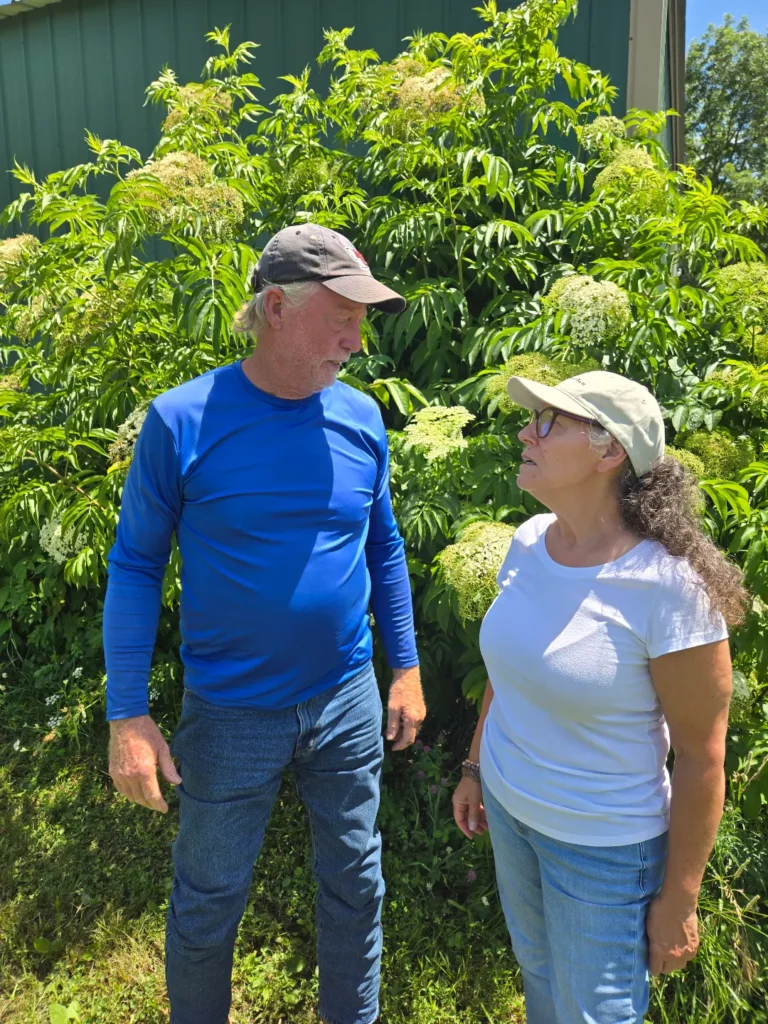
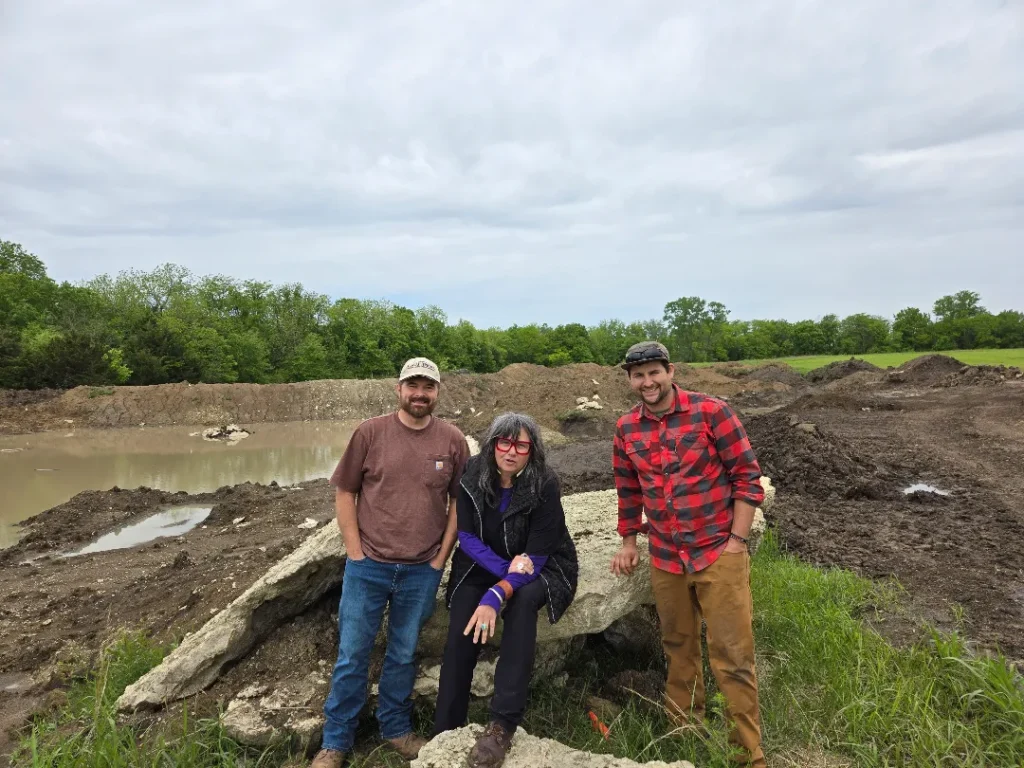
As it turned dark, we dropped Lori Trojan, our elderberry storyteller and core member, off at her Wild Ivy Herb Farm. On the next farm visit we can take a look at Lori’s elderberry and Mark Allison’s (seen below), who has elderberry at his Fossil Creek Winery. Mark also has the agritourism bus, The Miami Trolley.

Stay tuned as the co-chairs visit more members of the elderberry AgriCluster American Heartland Elderberry Collaborative.

Facebook
X
LinkedIn

METABOLIC RECOVERY – The Next Phase of the GLP-1 Conversation: Metabolic Recovery

Lionberry 's Weekly Delusion and Re-illusion Update.

For the last two years, we’ve been talking about GLP-1 drugs.

Ozempic. Wegovy. Zepbound.

They work.

They reduce appetite, improve blood sugar regulation, and are reshaping metabolic health at scale. This is one of the most significant shifts we’ve seen in decades (Wilding et al., 2021).

But a quieter question is starting to emerge:

What happens after?

Because many people eventually discontinue these medications. They’re expensive, often require ongoing use, and studies have shown substantial weight regain can occur after discontinuation of GLP-1 therapies (Wilding et al., 2022).

Not because people failed.

Because the system that was being supported… is no longer being supported.

I believe we’re entering a new phase of this conversation.

Not just weight loss.

Not just appetite suppression.

But metabolic recovery.

What does the body need to help maintain stability after intervention?

The Washington State University elderberry study led by Professor Patrick Solverson and colleagues, published in 2024, caught my attention immediately (Solverson et al., 2024). Last summer, I also had the opportunity to hear the research presented during the International Elderberry Symposium.

As both an elderberry farmer and a value-added product maker, I was excited to see rigorous science emerging around American elderberry — but also genuinely curious why it wasn’t making larger headlines.

Because the findings were interesting.

In the randomized controlled trial, participants consuming 100% American elderberry juice for one week demonstrated:

  • Reduced blood glucose
  • Lower insulin levels
  • Increased fat oxidation
  • Measurable shifts in gut microbiome activity (Solverson et al., 2024)

Not a miracle.

Not hype.

But a signal.

Because the mechanism matters.

One detail that makes American elderberry especially interesting is that its anthocyanin profile appears to differ from many other dark berries.

American elderberry (Sambucus canadensis) contains significant amounts of acylated anthocyanins — particularly acylated cyanidin-based compounds connected to hydroxycinnamic acid groups (Lee & Finn, 2007; Özgen et al., 2010). These acyl groups alter the chemistry and stability of the anthocyanin molecule.

Why does that matter?

Research suggests acylated anthocyanins demonstrate greater resistance to heat, oxidation, light degradation, and digestive breakdown compared to many non-acylated anthocyanins commonly found in fruits such as blackberries and in many European elderberry varieties (Sadilova et al., 2006; Fuleki & Francis, 1968).

That stability may matter biologically because it potentially allows more intact anthocyanin compounds to survive processing, storage, digestion, and interaction with the gut microbiome.

European elderberry (Sambucus nigra) contains a different anthocyanin composition, dominated more heavily by non-acylated cyanidin 3-glucoside and cyanidin 3-sambubioside compounds (Lee & Finn, 2007). Other berries absolutely contain beneficial anthocyanins too — but American elderberry appears to possess a somewhat distinct anthocyanin architecture that researchers are still working to fully understand.

Researchers believe these anthocyanins interact with the gut microbiome, helping generate short-chain fatty acids and downstream metabolites associated with insulin sensitivity, inflammation regulation, and endogenous GLP-1 signaling pathways (Chambers et al., 2018; Solverson et al., 2024).

Not synthetically.

Endogenously.

Through food and the gut microbiome.

To me, this is where the conversation may be heading next.

Not:

“What replaces GLP-1 drugs?”

But:

“What helps support the body alongside them — and after them?”

Or even:

“What supports metabolic health for people who never start them at all?”

For too long, metabolism has been framed as something we “fix.”

I think we’re moving toward something different:

Metabolism as something we support daily — through food, hydration, gut health, and the biological systems we nourish over time.

For the past year, I’ve been quietly studying this space and building around one core idea:

There may be a meaningful role for real functional food in the GLP-1 era — not as a replacement for medicine, but as nutritional support alongside metabolic health journeys.

Not a shortcut.

A system.

We’re still early in this conversation.

But if the last few years were about intervention…

the next few may be about recovery.

Curious what others in food, agriculture, metabolic health, and functional wellness are seeing emerge in this space.

— Bevin Brooks

References

Solverson, P., Teets, C., Rust, B., Johnson, S.A., et al. (2024). A One-Week Elderberry Juice Intervention Augments the Fecal Microbiota and Suggests Improvement in Glucose Tolerance and Fat Oxidation in a Randomized Controlled Trial. Nutrients, 16(20), 3555.

Wilding, J.P.H., Batterham, R.L., Calanna, S., et al. (2021). Once-Weekly Semaglutide in Adults with Overweight or Obesity. New England Journal of Medicine, 384(11), 989–1002.

Wilding, J.P.H., Jacobsen, L.V., le Roux, C.W., et al. (2022). Weight regain and cardiometabolic effects after withdrawal of semaglutide: The STEP 1 trial extension. Diabetes, Obesity and Metabolism, 24(8), 1553–1564.

Lee, J., & Finn, C.E. (2007). Anthocyanins and Other Polyphenolics in American Elderberry (Sambucus canadensis) and European Elderberry (Sambucus nigra) Cultivars. Journal of the Science of Food and Agriculture, 87(14), 2665–2675.

Özgen, M., Scheerens, J.C., Reese, R.N., & Miller, R.A. (2010). Total Phenolic, Anthocyanin Contents and Antioxidant Capacity of Selected Elderberry Accessions. Pharmacognosy Magazine, 6(23), 198–203.

Sadilova, E., Stintzing, F.C., & Carle, R. (2006). Thermal degradation of acylated and nonacylated anthocyanins. Journal of Food Science, 71(8), C504–C512.

Fuleki, T., & Francis, F.J. (1968). Quantitative Methods for Anthocyanins: Stability of Elderberry Pigments. Journal of Food Science, 33(1), 72–79.

Chambers, E.S., Preston, T., Frost, G., & Morrison, D.J. (2018). Role of Gut Microbiota-Generated Short-Chain Fatty Acids in Metabolic and Cardiovascular Health. Current Nutrition Reports, 7, 198–206.