We are American Heartland Elderberry Collaborative

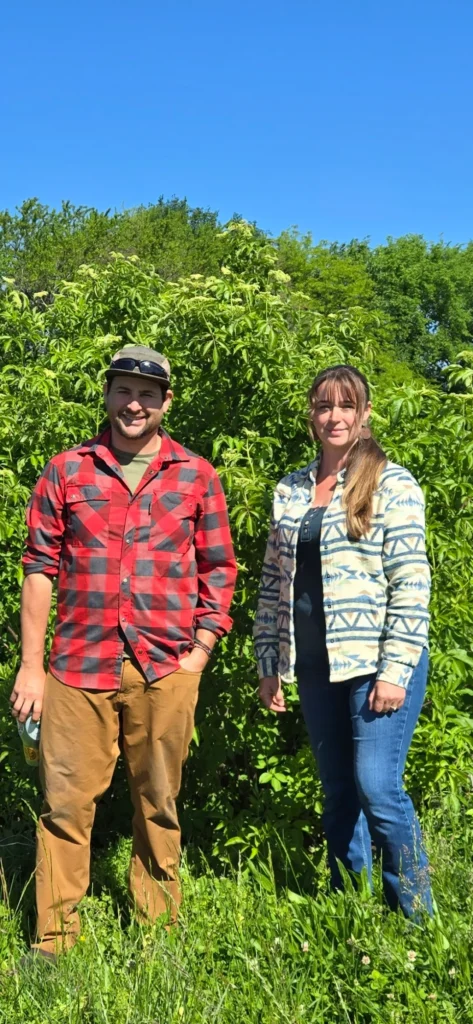
Farmers Mickey Gallagher—known as the “Johnny Elderberry Seed” of KC Farmyard—and Bevin Brooks of LionBerry Regenerative serve as co-chairs of the American Heartland Elderberry Collaborative.

Together, they’ve been touring AgriCluster member farms across the region, working to cultivate and expand American elderberry production.

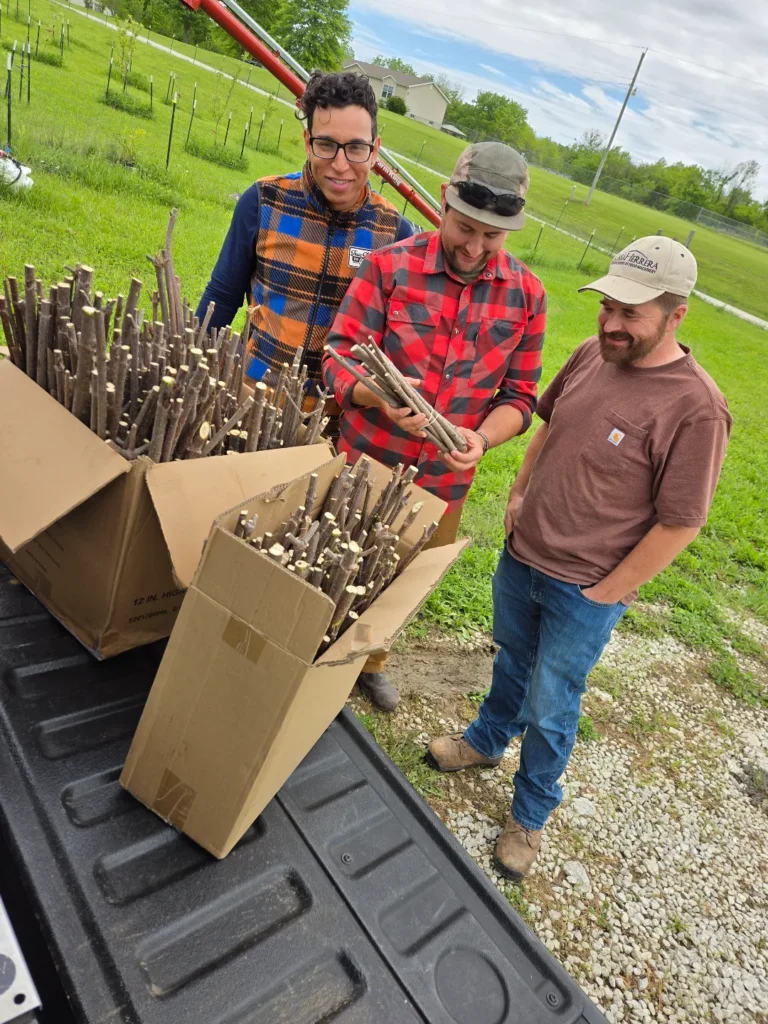
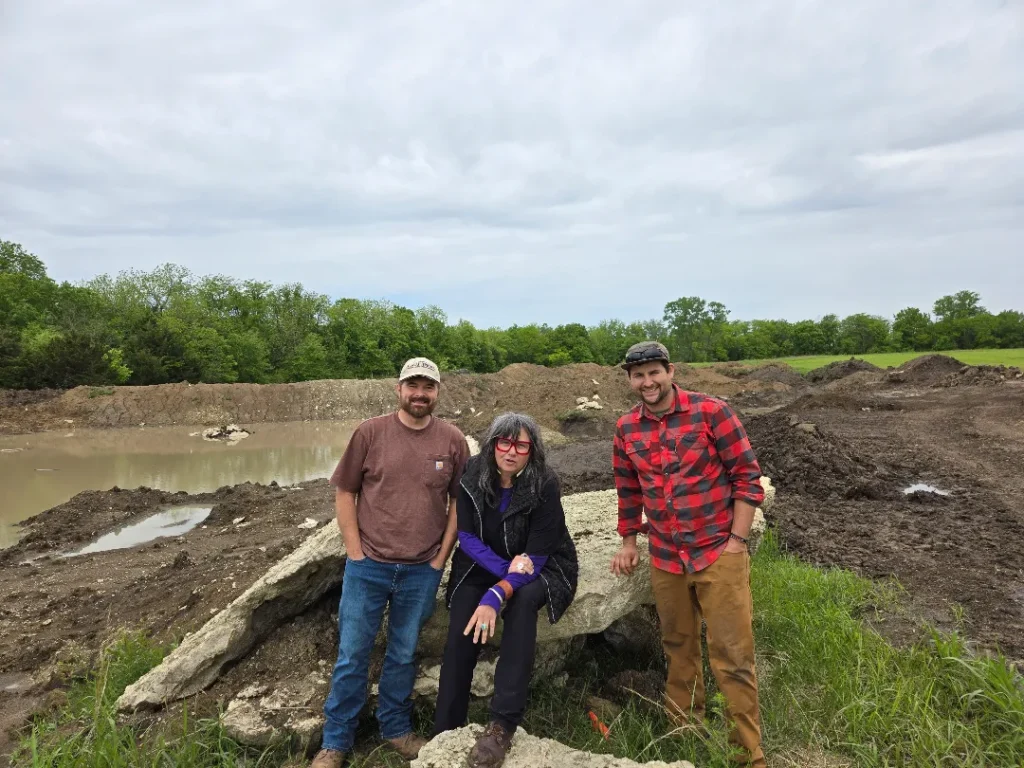
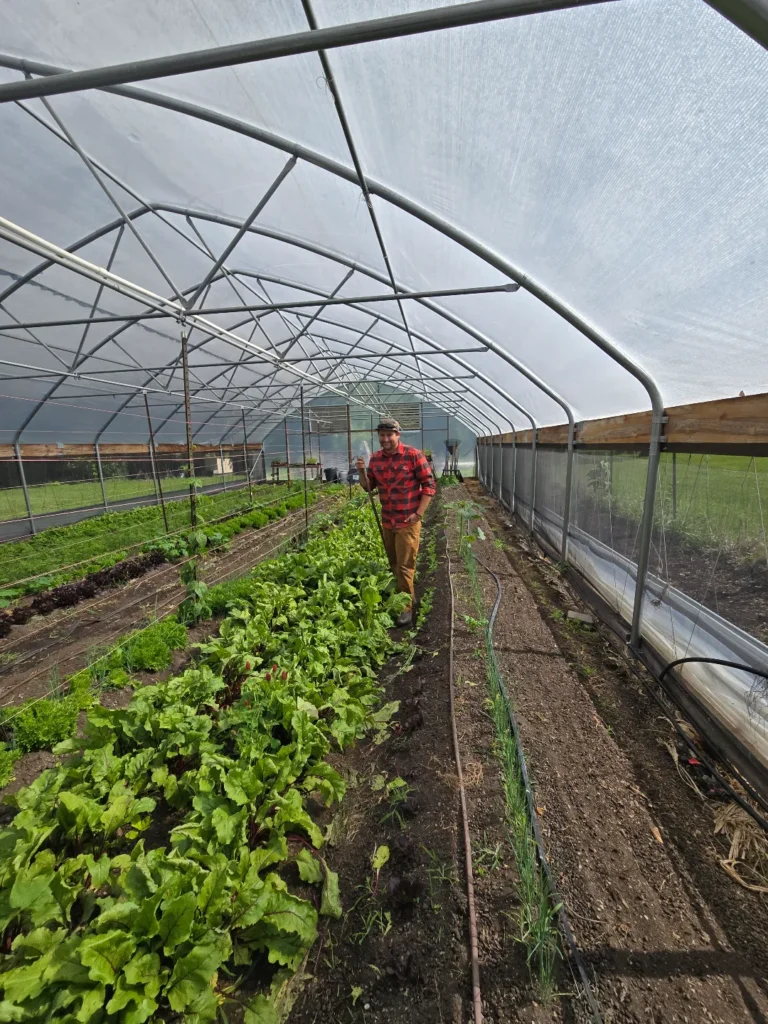
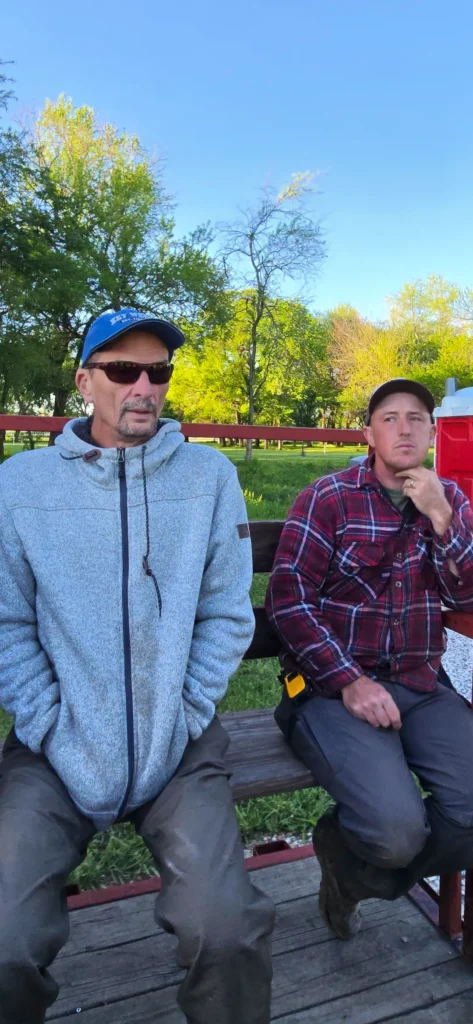
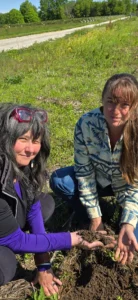
This week, they visited with Jeremy Fyler of Fyler Farms, helping launch his elderberry orchard. Jeremy, who operates a flour mill and is building an impressive fruit orchard, received 500 elderberry cuttings sourced from fellow AgriCluster member Michael Hursey of Casa Somerset.

The newly formed American Heartland Elderberry AgriCluster continued its tour with visits to fellow members including Colonial Gardens, KC Good Oak LLC, and Powell Gardens—sharing knowledge around elderberry’s role in regenerative agriculture and its ability to restore marginal soils.

Mickey Gallagher also serves as the in-house farmer at Casa Somerset’s elderberry orchard while operating KC Farmyard, known for specialty crops like ginger.

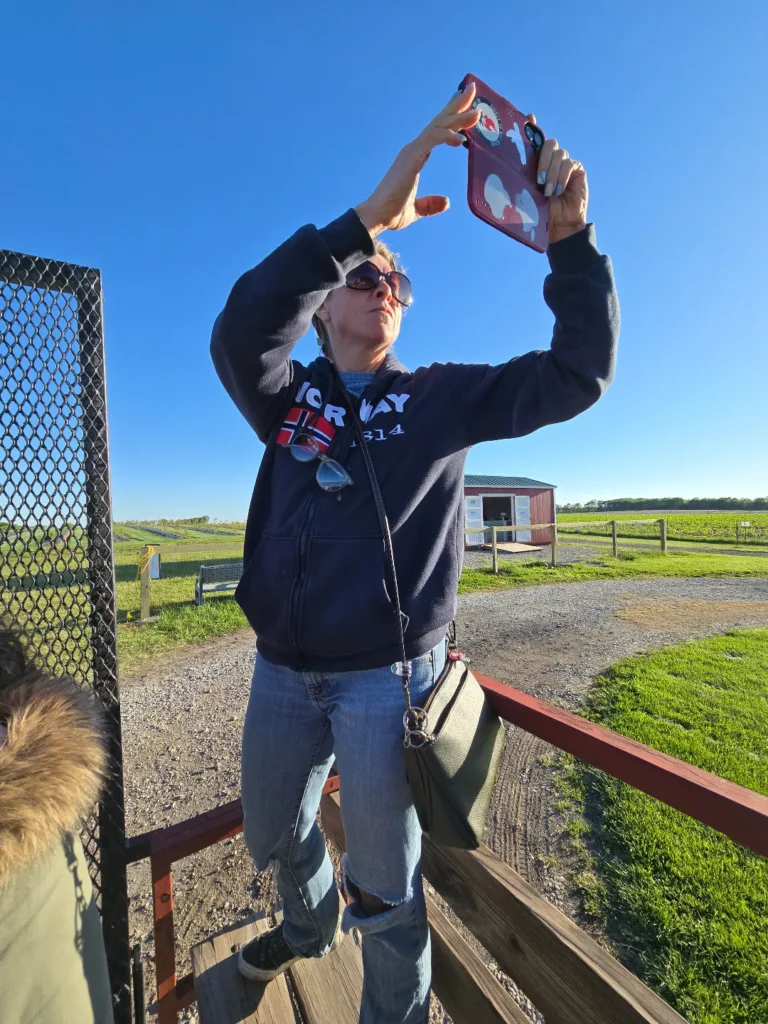
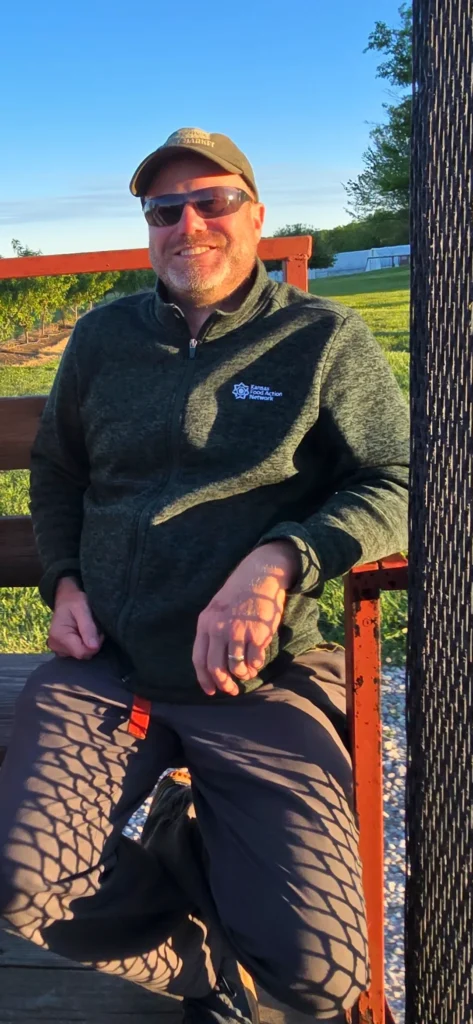
Later that evening, members crossed back into Kansas to attend a lecture on agritourism at Gieringer’s Family Orchard & Berry Farm. There, AgriCluster members—including Lori Trojan of Wild Ivy Herb Farm, Siri and Robert Leonard, and new member Tom Buller of Kansas Rural Center—gathered to discuss soil health, specialty crops, and opportunities for regional agriculture.


Why Elderberry?

  • Thrives on marginal soils
  • Helps prevent erosion
  • Integrates into regenerative systems
  • Supports perennial hedgerows
  • Attracts pollinators
  • Strengthens ecosystems
  • Sequesters carbon
  • Enhances mycorrhizal activity
  • Stabilizes degraded soils
  • Can be coppiced and composted annually
  • Aligns with demand for regional products
  • Disrupts fragile global supply chains

Food is Medicine.

 FOLLOW CO-CHAIRS MICKEY AND BEVIN IN THE DAY  OF A LIFE OF STEWARDING ELDERBERRY WITH DIRTY DEEDS DONE DIRT CHEAP! 

We start the day in Kansas at Casa Summerset where we pick up elderberry cuttings from Michael Hursey to deliver to a farm in Missouri.
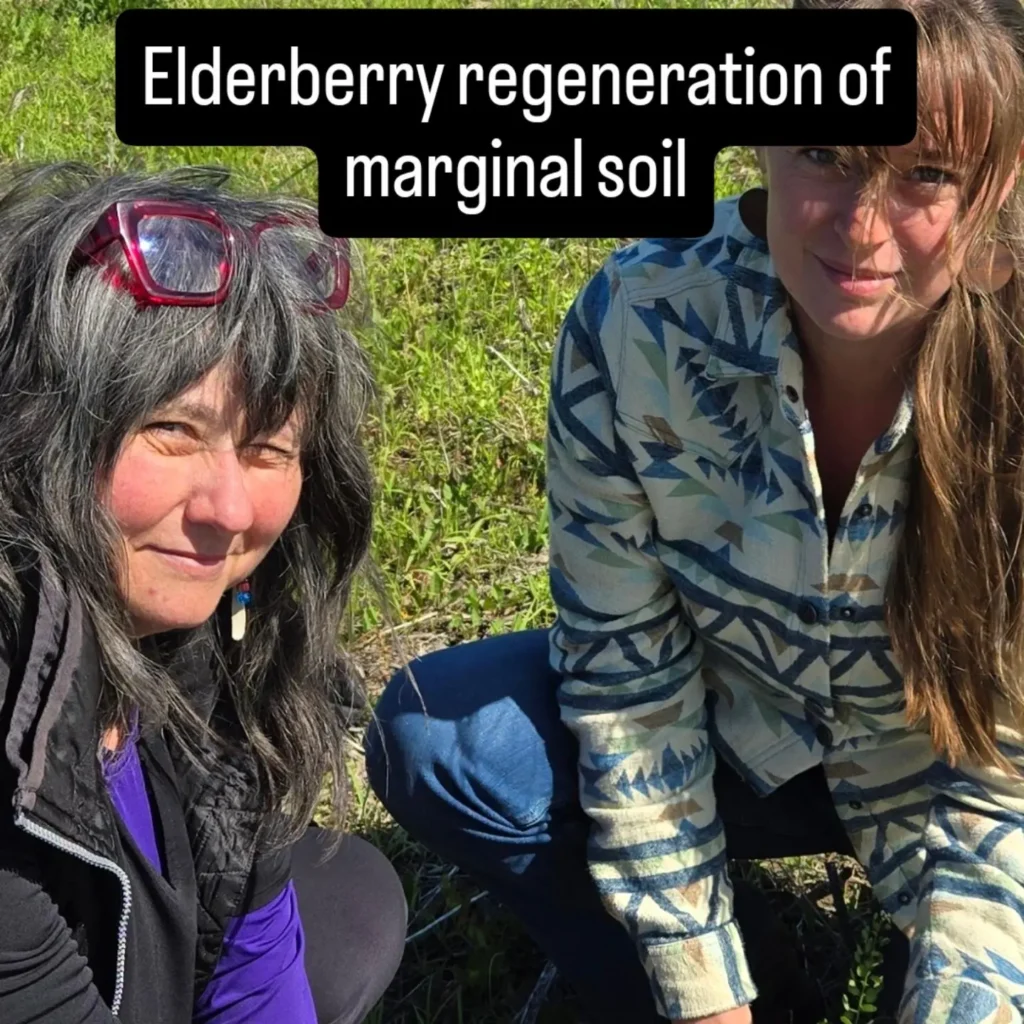
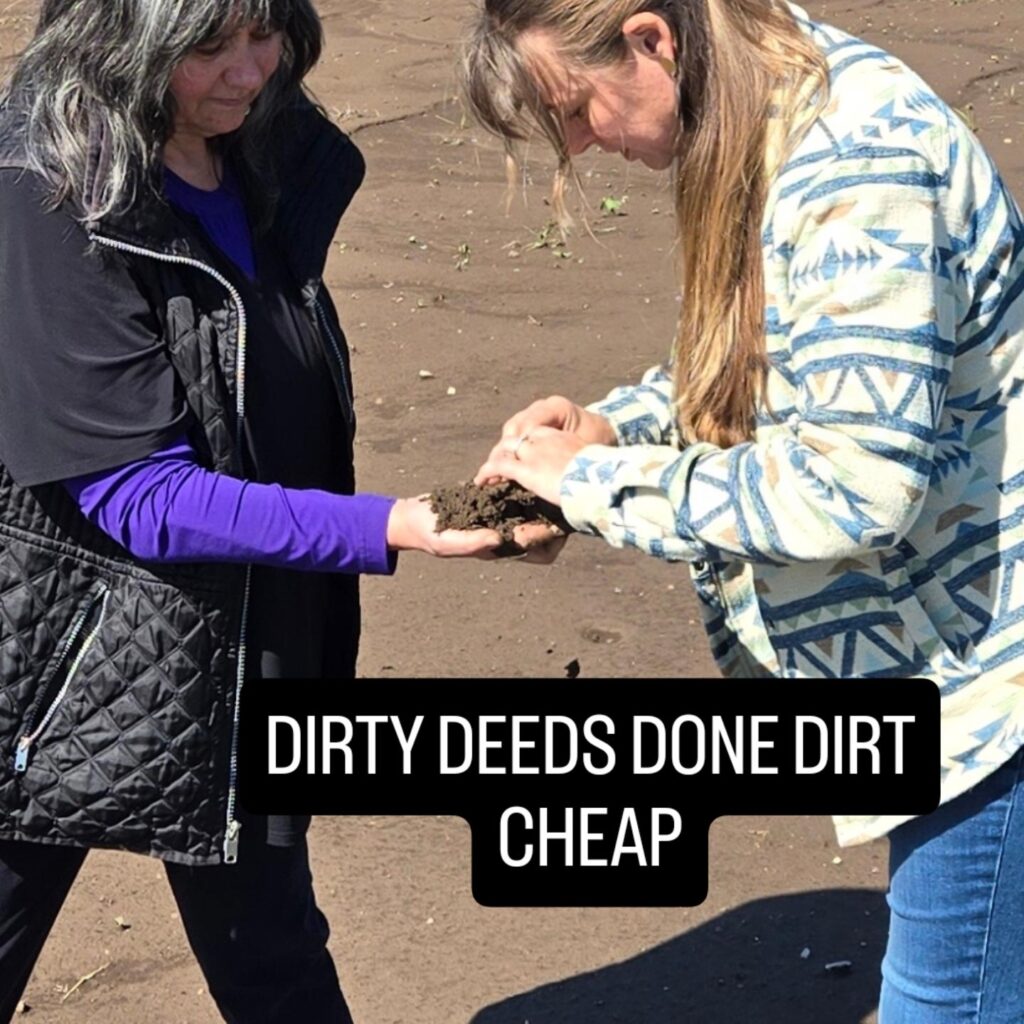
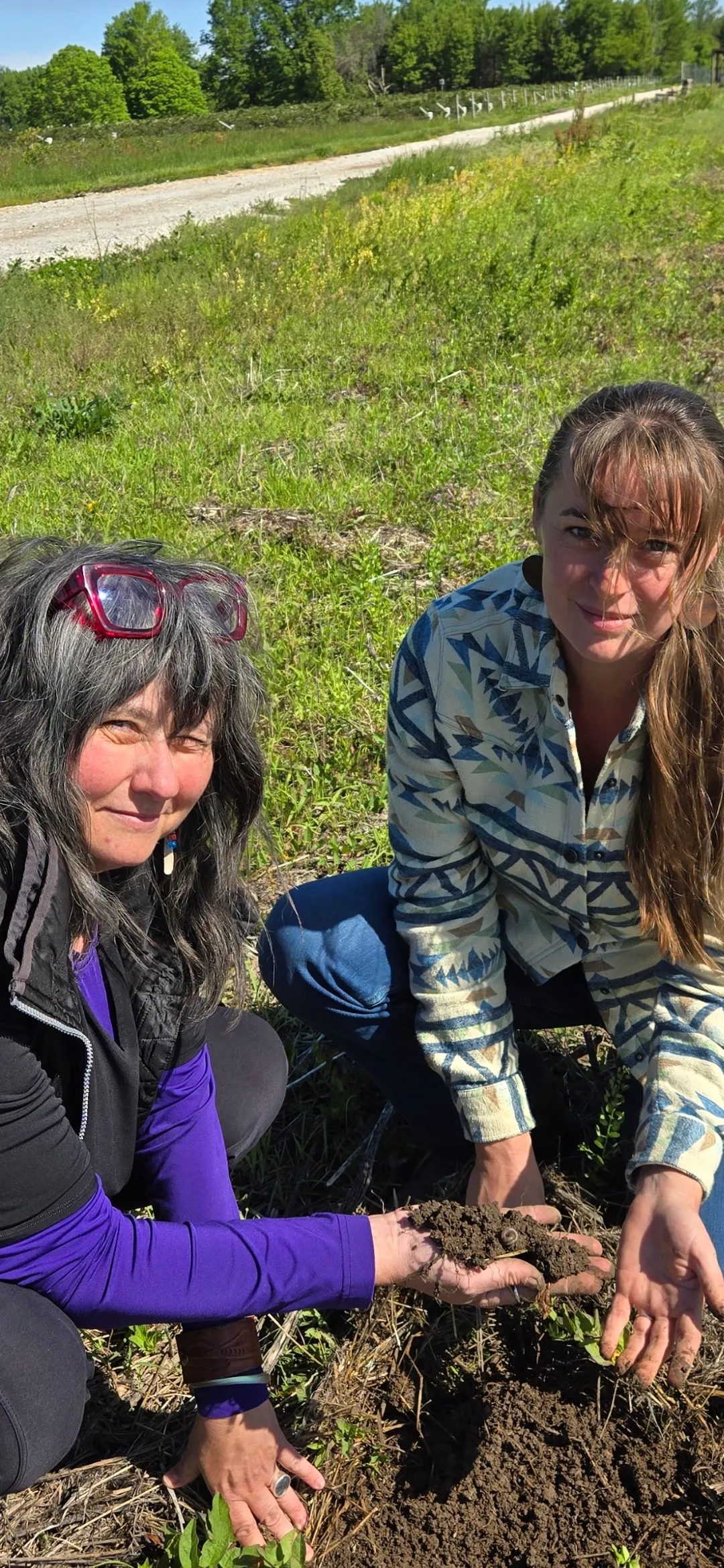
At Colonial Farms, Cassandra and Bevin compare good soil with mycorrhizal life to soil that was subjected to unknown pesticide chemicals 5 or 6 years ago.
We discuss the possibilities of elderberry in the marginal soil in Missouri.
Poor Soil
Elderberry may be the answer! DIRTY DEEDS DONE DIRT CHEAP.
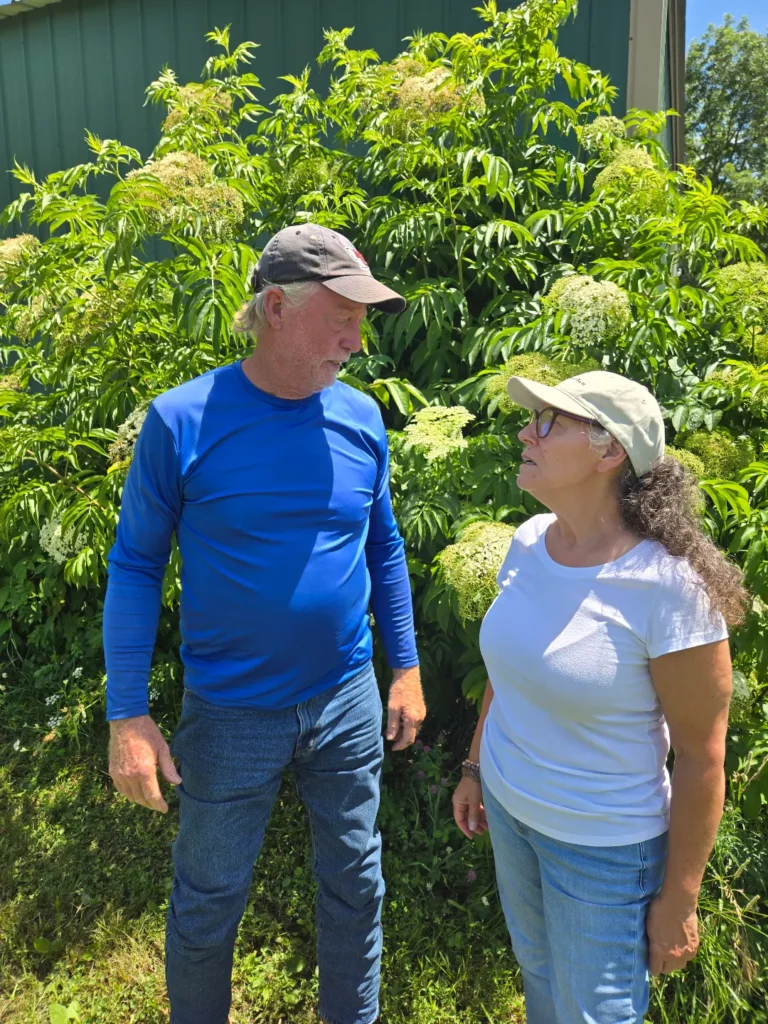
Mickey and Cassandra in the Elderberry at Colonial Gardens newly acquired by Powell Gardens.
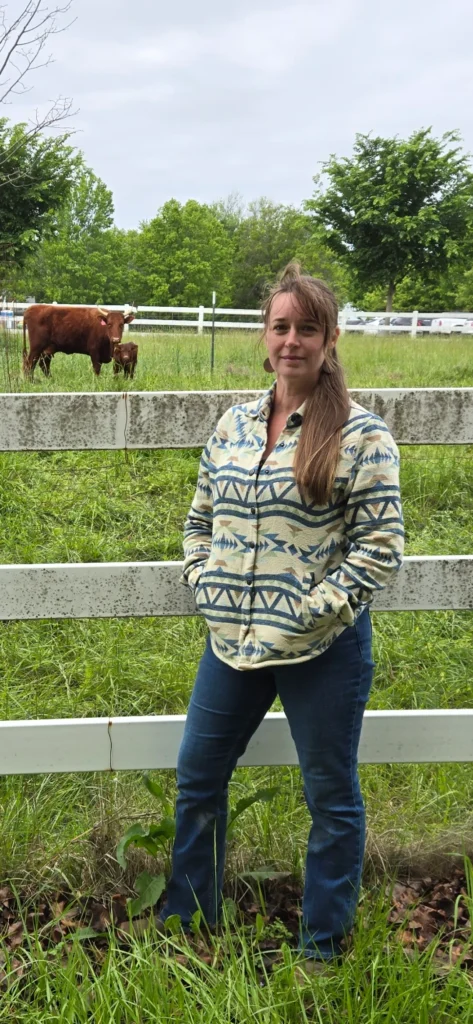
Cassandra lifelong feral female farmer is a member of the American Heartland Elderberry Collaborative and she focusses on our future infrastructure. She also runs Good Oak LLC where they have more elderberry and her famous critters.
Later on that day Co-chairs of American Heartland Elderberry Collaborative, Mickey and Bevin, made a farm visit with Jeremy of Fyler Farms who is adding American elderberry (Bob Gordon) to his orchard. These 500 cuttings are from Casa Summerset’s elderberry orchard. More DIRTY DEEDS DONE DIRT CHEAP as we transport elderberry cuttings across state lines!
Jeremy has alot of new projects on his farm and lots of room for elderberry to help with his Missouri soil health.

Facebook
X
LinkedIn

Presentation at the Great Plains Growers Conference

Lionberry 's Weekly Delusion and Re-illusion Update.

Heartland Elderberry Collaborative (Heartland ECo)


“Instead of asking each farm to grow bigger, we’re building shared capacity so farms can stay viable at their current scale while accessing value-added markets.”

An AgriCluster Pilot for Shared Infrastructure and Value-Added Market Access
Eastern Kansas / Western Missouri


PROBLEM CONTEXT

Small and mid-sized farms face persistent structural barriers to entering value-added markets, including:

• Limited access to processing infrastructure
• Limited cold storage capacity
• Transportation constraints
• Fragmented, uncoordinated distribution
• High costs from duplicating equipment and logistics across individual farms

These constraints restrict grower profitability, inhibit vertical integration, and reduce the viability of diversified regional food systems.


WHAT HEARTLAND ECo IS

The Heartland Elderberry Collaborative (Heartland ECo) is an active, facilitated, place-based AgriCluster pilot organizing elderberry growers and processors in eastern Kansas and western Missouri.

• Facilitated through ACRE (AgriCluster Resilience and Expansion)
• Emphasizes collective capacity-building and shared infrastructure
• Designed to enable farm-level vertical integration (grow, process, and take products to market)
• Structured to share infrastructure, governance, and market access


WHAT HEARTLAND ECo IS NOT

• Not a single-farm expansion program
• Not a commodity-scale production model
• Not a vertically integrated corporate system


WHY ELDERBERRY

• Performs well on marginal soils
• Integrates with soil-health and regenerative practices
• Supports perennial hedgerows and diversified systems
• Enables multiple value-added pathways (destemming, juicing, beverage and supplement production)
• Aligns with growing consumer demand for regionally produced products

The pilot is explicitly designed to test repeatability across additional non–Big Ag crops, including tomatoes, fruit crops, and legumes.


CURRENT PILOT STATUS

• Core grower group established
• Regular coordination underway
• Shared infrastructure priorities identified
• Grower recruitment initiated
• Early coordination with grocery buyers in progress


SHARED INFRASTRUCTURE HUB CONCEPT

The Heartland ECo model proposes a centralized hub facility located south of Kansas City to support participating farms and processors.

• Aggregation and intake
• Cold storage
• Destemming
• Juicing
• Bottling
• Short-haul regional distribution

The hub is intended to reduce duplicated equipment costs, logistical inefficiencies, and fragmented distribution efforts that commonly limit small-farm participation in value-added markets.


PILOT OBJECTIVES

Establish a functioning elderberry AgriCluster
Create shared access to processing, storage, and distribution infrastructure
Build collective grant-writing and fundraising capacity
Coordinate educational outreach related to elderberry and soil-health practices
Evaluate feasibility of scaling the model across additional crops and regions


FORTHCOMING PILOT STUDY

This poster outlines a proposal for a forthcoming pilot study to formally evaluate the effectiveness of the Heartland ECo model.

• Economic impact
• Grower profitability
• Infrastructure utilization
• Soil-health indicators
• Logistical efficiency
• Replicability across crops and regions

DOWNLOAD POSTER HERE