We are American Heartland Elderberry Collaborative

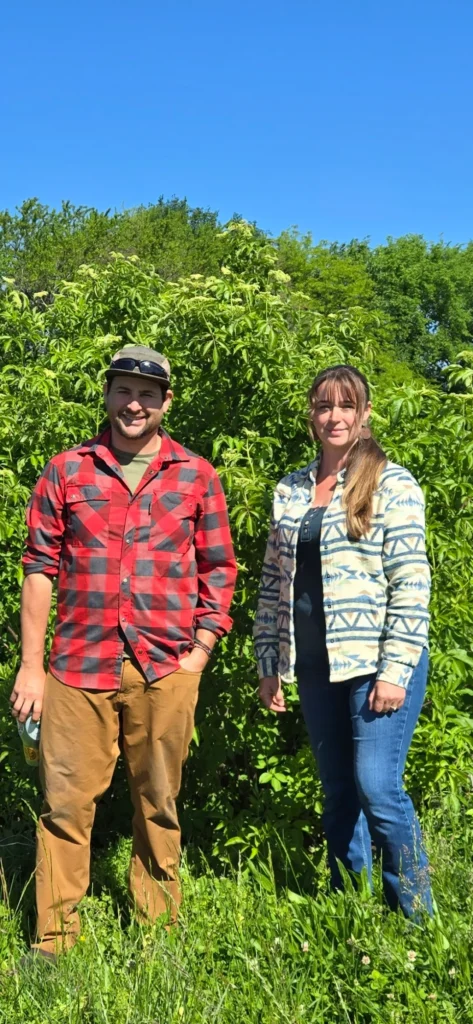
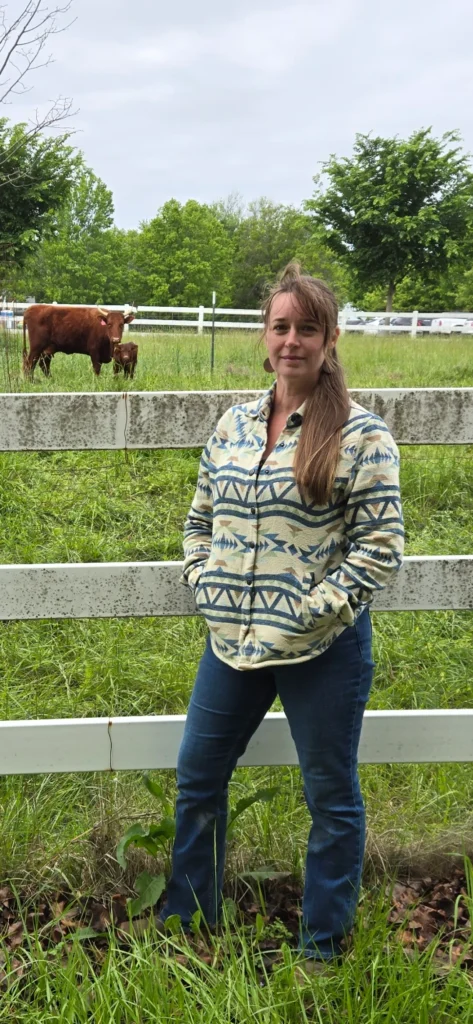
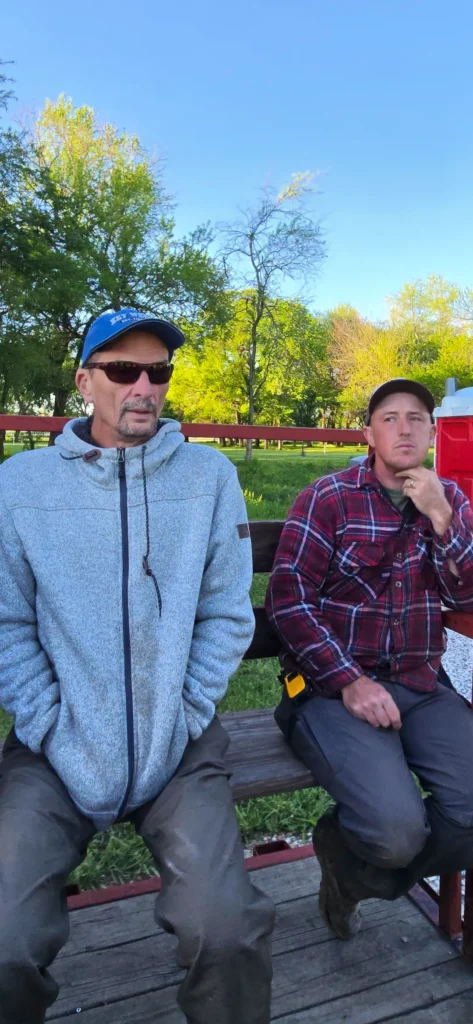
Farmers Mickey Gallagher—known as the “Johnny Elderberry Seed” of KC Farmyard—and Bevin Brooks of LionBerry Regenerative serve as co-chairs of the American Heartland Elderberry Collaborative.

Together, they’ve been touring AgriCluster member farms across the region, working to cultivate and expand American elderberry production.

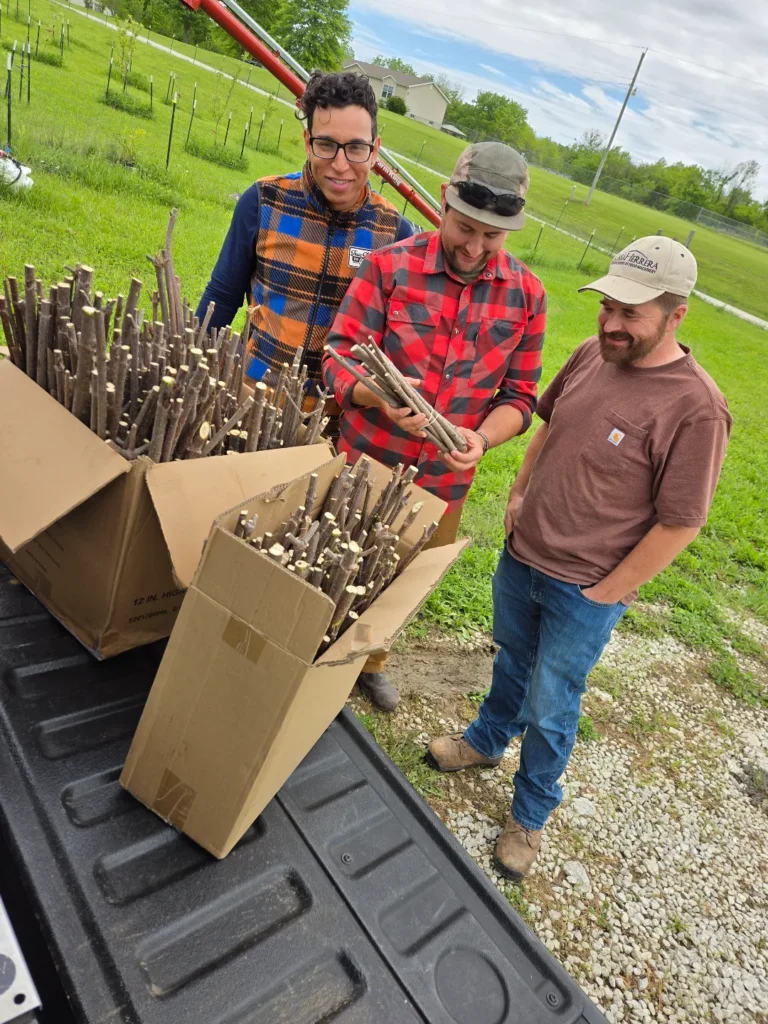
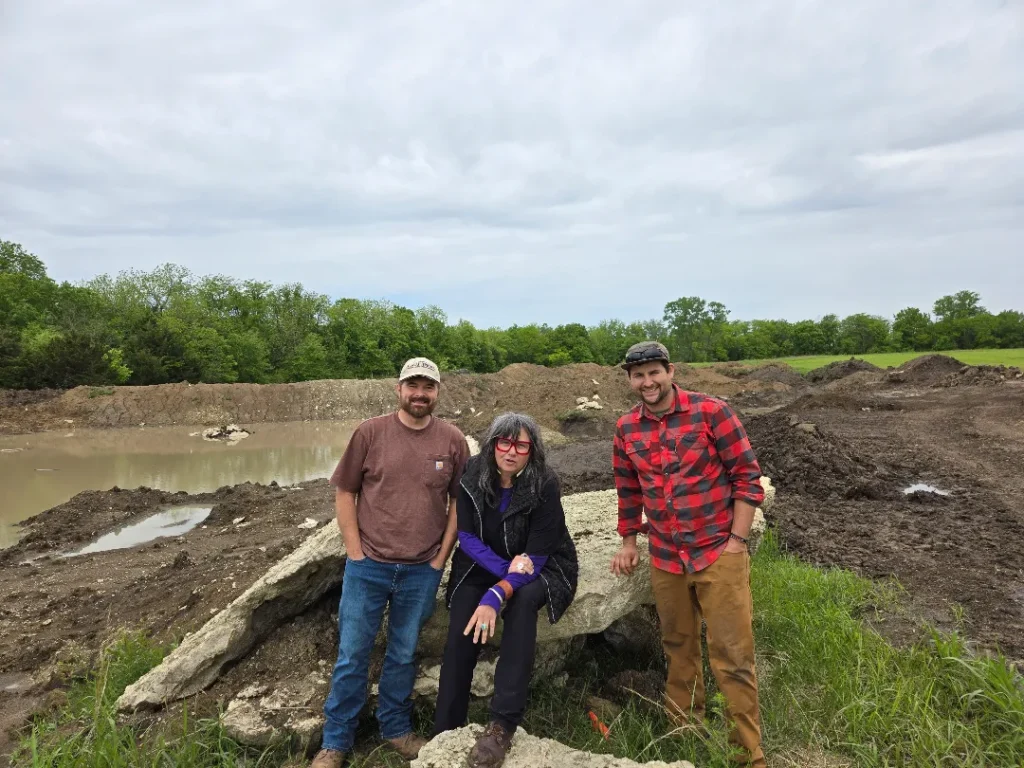
This week, they visited with Jeremy Fyler of Fyler Farms, helping launch his elderberry orchard. Jeremy, who operates a flour mill and is building an impressive fruit orchard, received 500 elderberry cuttings sourced from fellow AgriCluster member Michael Hursey of Casa Somerset.

The newly formed American Heartland Elderberry AgriCluster continued its tour with visits to fellow members including Colonial Gardens, KC Good Oak LLC, and Powell Gardens—sharing knowledge around elderberry’s role in regenerative agriculture and its ability to restore marginal soils.

Mickey Gallagher also serves as the in-house farmer at Casa Somerset’s elderberry orchard while operating KC Farmyard, known for specialty crops like ginger.

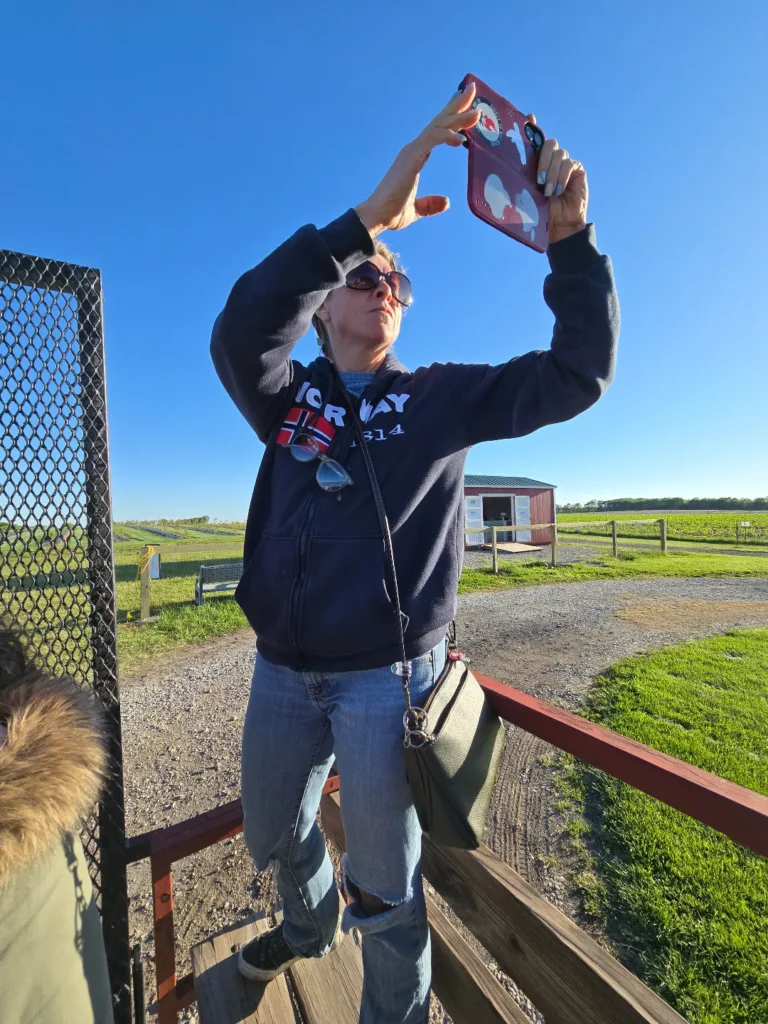
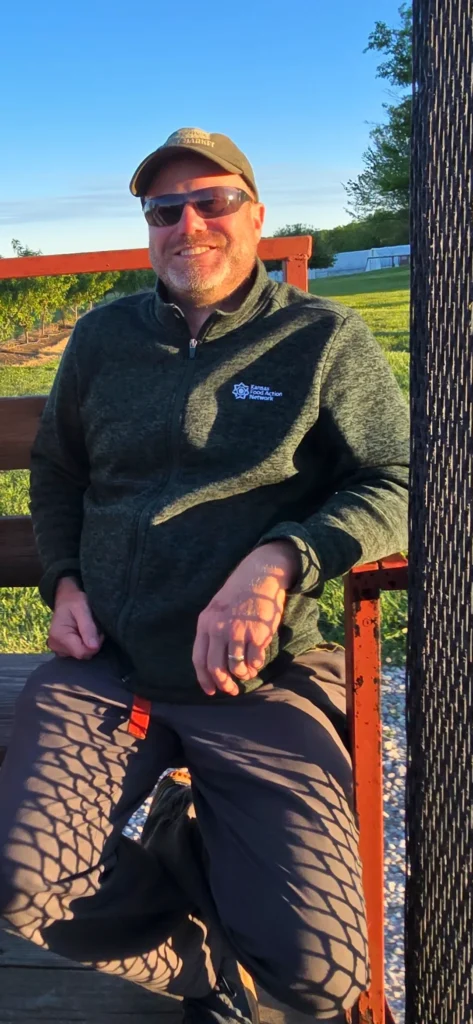
Later that evening, members crossed back into Kansas to attend a lecture on agritourism at Gieringer’s Family Orchard & Berry Farm. There, AgriCluster members—including Lori Trojan of Wild Ivy Herb Farm, Siri and Robert Leonard, and new member Tom Buller of Kansas Rural Center—gathered to discuss soil health, specialty crops, and opportunities for regional agriculture.


Why Elderberry?

  • Thrives on marginal soils
  • Helps prevent erosion
  • Integrates into regenerative systems
  • Supports perennial hedgerows
  • Attracts pollinators
  • Strengthens ecosystems
  • Sequesters carbon
  • Enhances mycorrhizal activity
  • Stabilizes degraded soils
  • Can be coppiced and composted annually
  • Aligns with demand for regional products
  • Disrupts fragile global supply chains

Food is Medicine.

 FOLLOW CO-CHAIRS MICKEY AND BEVIN IN THE DAY  OF A LIFE OF STEWARDING ELDERBERRY WITH DIRTY DEEDS DONE DIRT CHEAP! 

We start the day in Kansas at Casa Summerset where we pick up elderberry cuttings from Michael Hursey to deliver to a farm in Missouri.
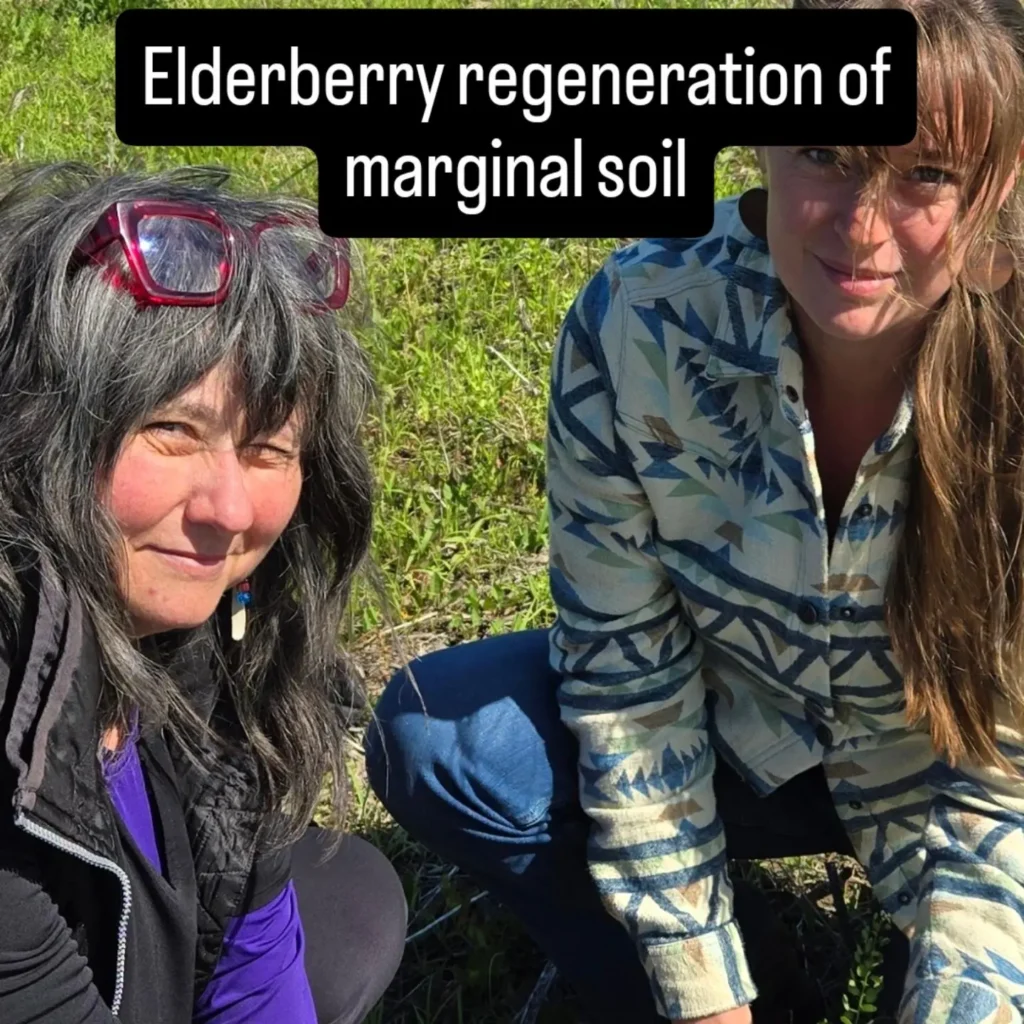
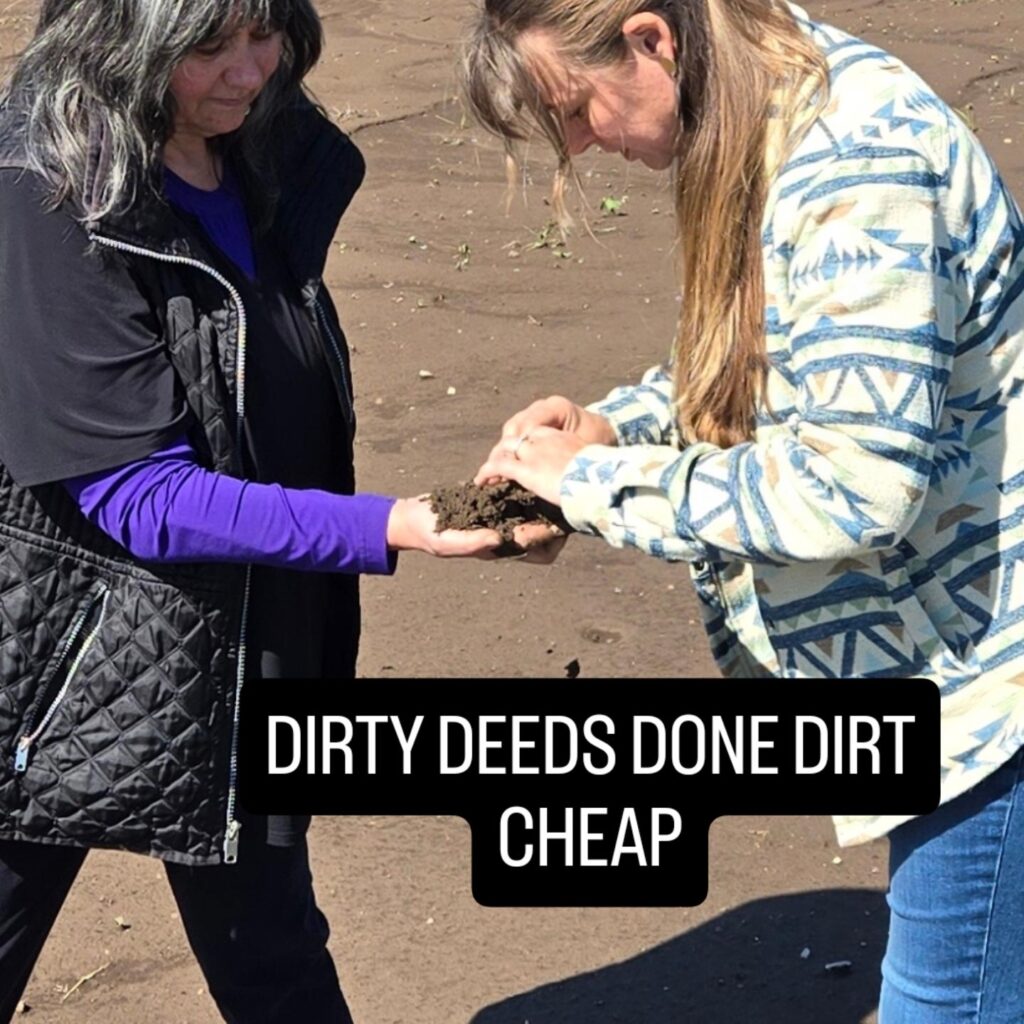
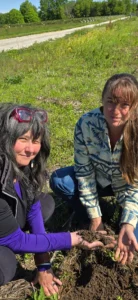
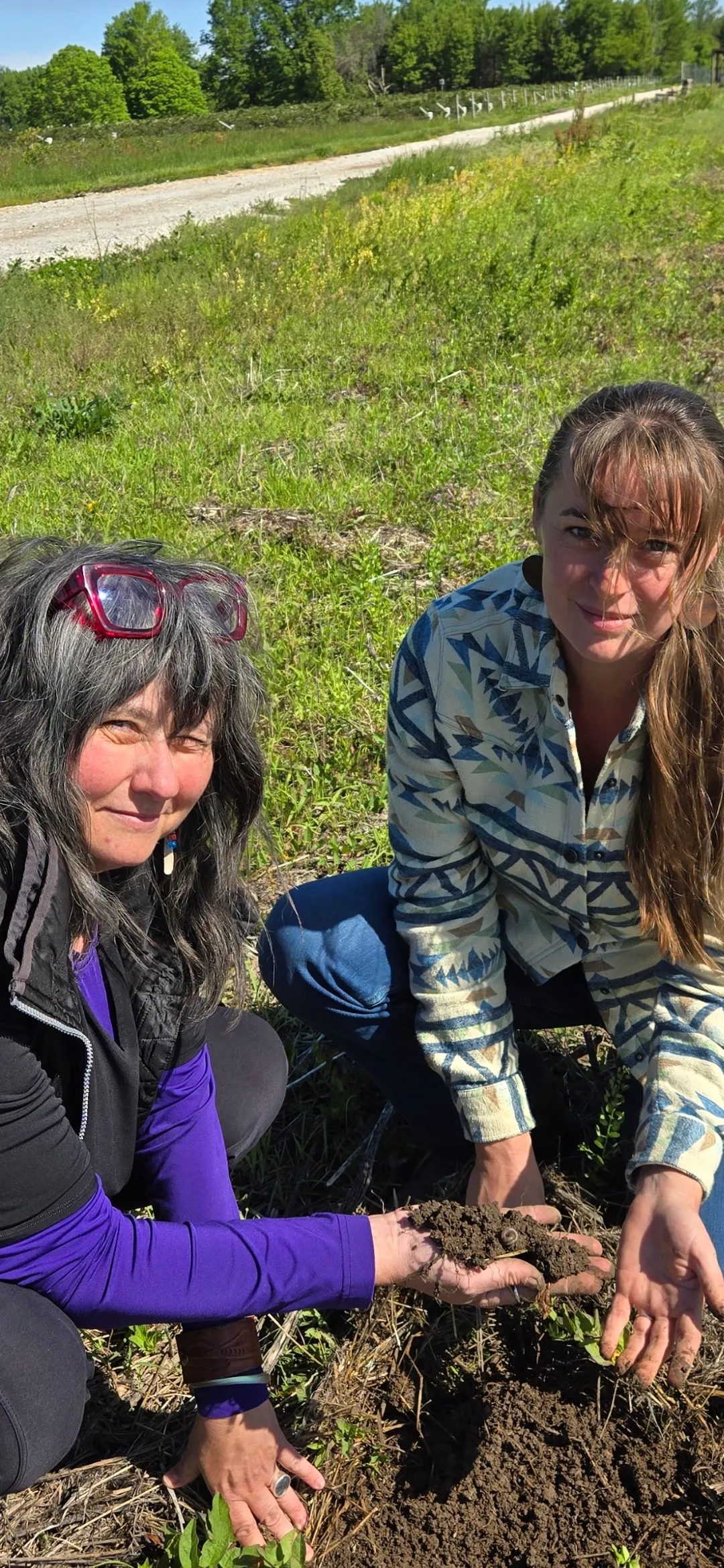
At Colonial Farms, Cassandra and Bevin compare good soil with mycorrhizal life to soil that was subjected to unknown pesticide chemicals 5 or 6 years ago.
We discuss the possibilities of elderberry in the marginal soil in Missouri.
Poor Soil
Elderberry may be the answer! DIRTY DEEDS DONE DIRT CHEAP.
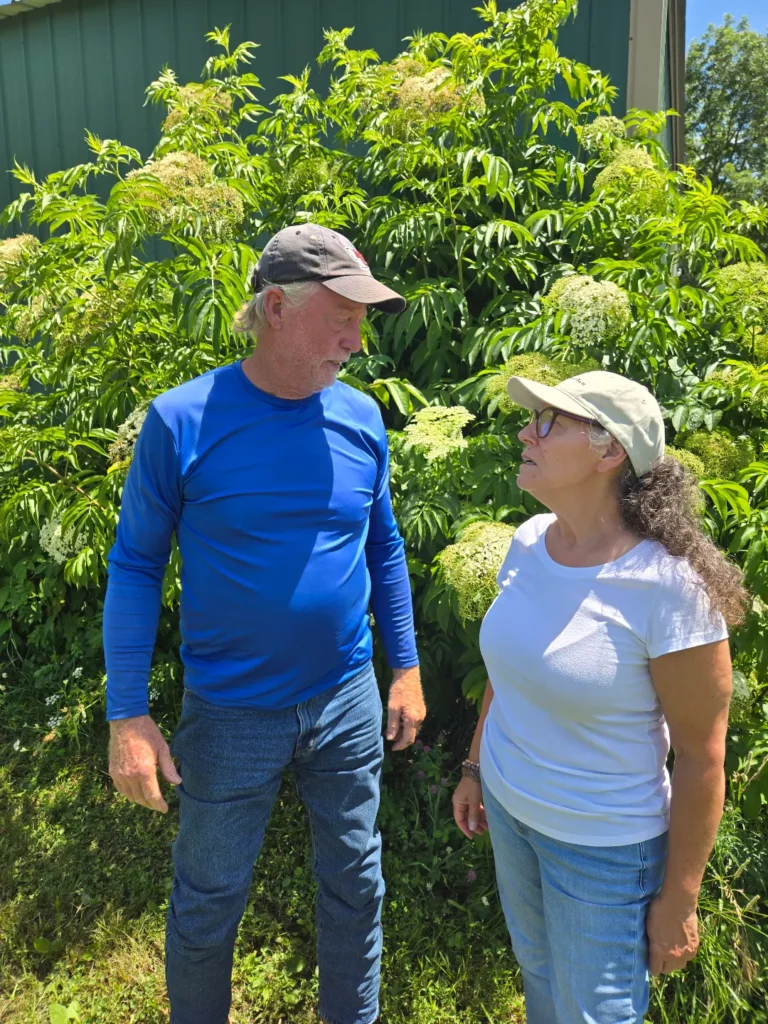
Mickey and Cassandra in the Elderberry at Colonial Gardens newly acquired by Powell Gardens.
Cassandra lifelong feral female farmer is a member of the American Heartland Elderberry Collaborative and she focusses on our future infrastructure. She also runs Good Oak LLC where they have more elderberry and her famous critters.
Later on that day Co-chairs of American Heartland Elderberry Collaborative, Mickey and Bevin, made a farm visit with Jeremy of Fyler Farms who is adding American elderberry (Bob Gordon) to his orchard. These 500 cuttings are from Casa Summerset’s elderberry orchard. More DIRTY DEEDS DONE DIRT CHEAP as we transport elderberry cuttings across state lines!
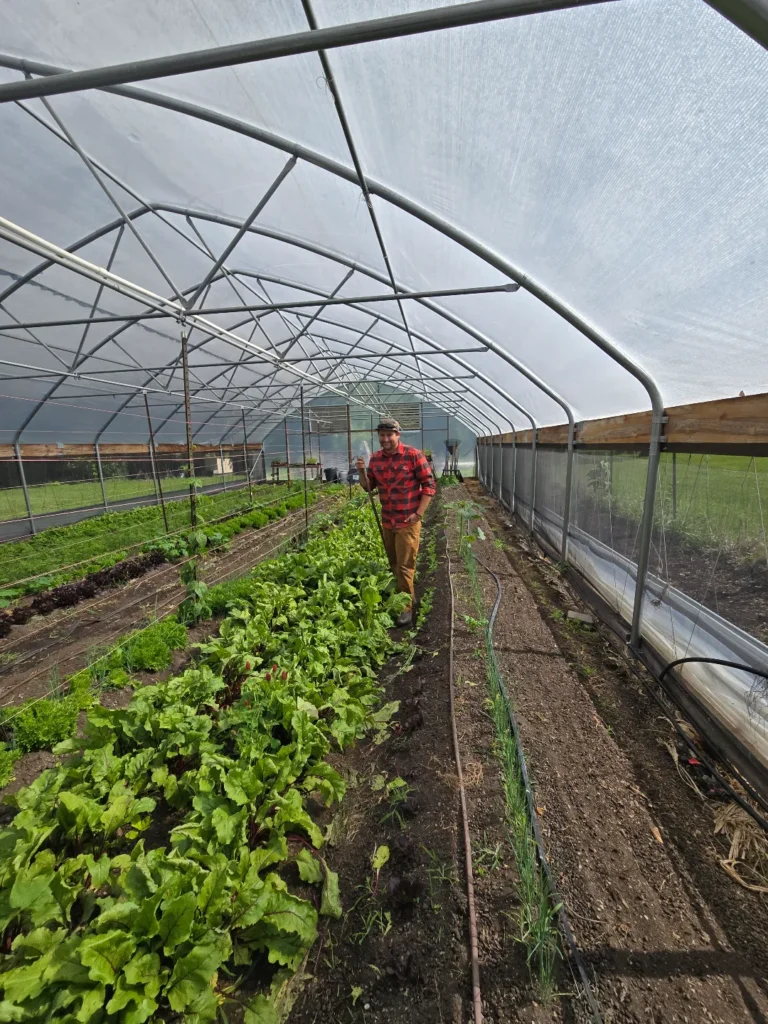
Jeremy has alot of new projects on his farm and lots of room for elderberry to help with his Missouri soil health.

Facebook
X
LinkedIn

Elderberry’s Reputation Problem Doing It Right So It Actually Works

Lionberry 's Weekly Delusion and Re-illusion Update.

We make two products with elderberry: LionBerry Regenerative Hydration and Elderberry Sips. Neither one is a syrup.

Syrup is fine for pancakes. Thicker is not better.

For elderberry — as food, as medicine, for maximum benefit — drop the pH, pasteurize fast, protect plant properties, no powders.

Long, slow steeping in heat — like simmering elderberry with spices for hours — is not better. Powder is fine for powdered sugar, powdered snow, and baby powder — but not elderberry. There is no place for powder in food. Dehydrating and powdering food changes cell structure, uses too much heat, and burns off delicate plant properties.

We never use dehydrated powder. Most powdered elderberry comes from overseas. About 95% of drugstore elderberry products rely on powdered European elderberry.

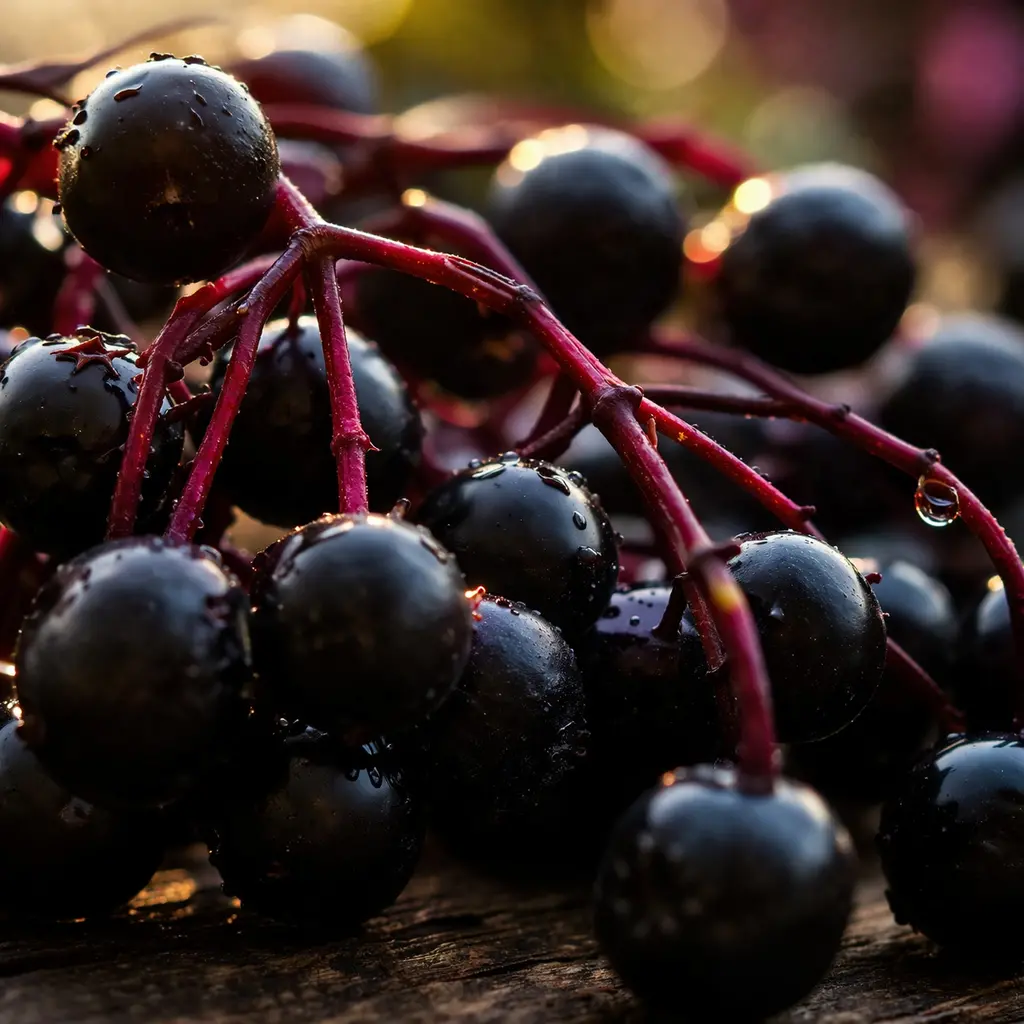
We use the native American elderberry — Sambucus canadensis, fresh-pressed. American elderberry contains dramatically higher levels of anthocyanins — the purple antioxidants — roughly 10× the antioxidant activity of blueberries, for perspective. It’s beyond a superfruit. It also has antiviral activity and supports gut health and immune modulation.

LionBerry Regenerative Hydration is more than a sports drink. It’s a recovery drink — for after you got your butt kicked, or for whatever it is that life did to you.

It’s strange what we give athletes and kids: sports drinks and energy drinks loaded with artificial colors, sweeteners, powdered isolates, and caffeine. LionBerry is the opposite. Not an energy drink. No isolates. No powders. Whole plants, intact, grown out of the ground by farmers.

Plants work through synergy. Their compounds evolved to function together. Isolating one molecule misses the point.

For LionBerry Regenerative Hydration, we start with a clear, light base of elderflower tea — easily drinkable — and add it to our elderberry. The anthocyanins in elderberry are delicate. Long heat destroys them. Repeated freezing and thawing destroys them. Powdering destroys them.

Mass spectrometry consistently shows that whole-food preparations retain broader nutritional complexity than powders or isolates. Dehydration and reduction require too much heat — the plant properties burn off.

We engineer pH first — not reduction, not boiling, not cooking it down into a syrup.

Elderberry starts around pH 5.1. That’s too high for safe bottling.

People brag about odd things. I have heard competitors advertise that they never add water to their elderberry syrup. Good. I should hope not.

Making an elderberry syrup is about as medicinal as making pancake syrup. Making syrup is traditionally done by cooking elderberry down with honey and spices. That’s worse than adding water. The plant properties are all gone.

To preserve plant properties, you need to drop the pH to prevent botulism, preserve anthocyanins, and proceed with a hot fill, hold, and then hermetically seal — without boiling the plant into oblivion.

We don’t make syrup.

Our second product is Elderberry Sips — that’s the name. Capital E. Capital S. Plural.

Elderberry Sips uses fresh-pressed elderberry — never powder, never concentrate. We add Concord grape ( RESERVITOL-heart support) and tart cherry (melatonin & magnesium). Together they naturally drop the pH to ~3.7, allowing fast pasteurization without heat that causes degradation of purple elderberry anthocyanins The lower pH protects the delicate plant properties. Elderberry Sips is ~15% tart cherry and Concord Grape added to fresh pressed American Elderberry — without gallons of honey and without turning it into a syrup sugar bomb.

A syrup is defined as ~60% solids. To get there, you must boil and reduce. That process destroys anthocyanins.

Cinnamon is great — but it needs long, hot steeping. Elderberry needs fast, controlled heat. They are biologically opposite processes.

And yes, we use glass. We hate hauling it. We are beasts of burden. It’s heavy. It breaks. It’s fragile. It’s expensive to ship. Less-than-truckload shipping is brutal. There are glass tariffs.

But plastic leaches. Aluminum has plastic liners. And healthy bodies deserve better.

We don’t water down syrup. We don’t confuse chemistry with marketing.

We don’t want anyone out of business. We want elderberry done right.

When elderberry “doesn’t work,” it’s usually not the plant’s fault — it’s been overheated in dehydration, over-reduced in making a syrup, powdered and shipped from overseas, repeatedly frozen and thawed, or cooked into oblivion.

Quality matters. Results matter. Temperature, water activity, and pH matter.

We want elderberry’s reputation to be higher. We want better results. We want people impressed because it actually works.

Do elderberry right.