We are American Heartland Elderberry Collaborative

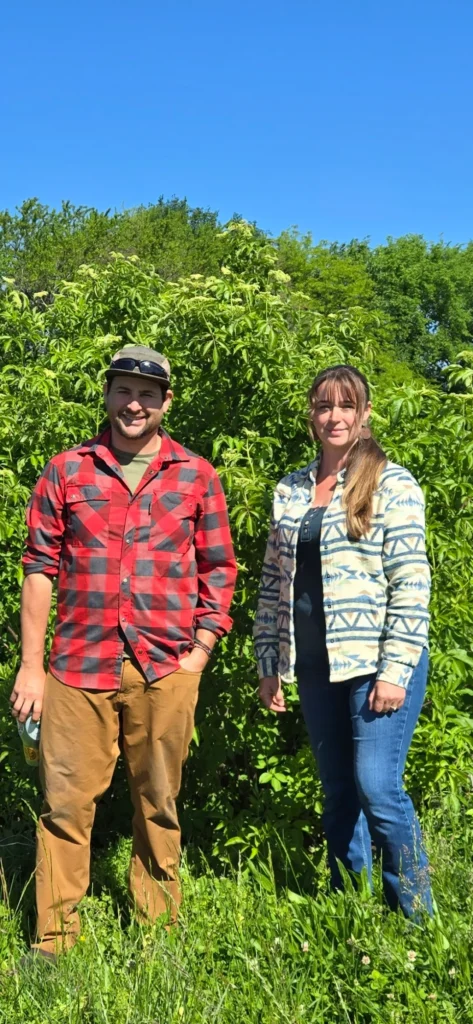
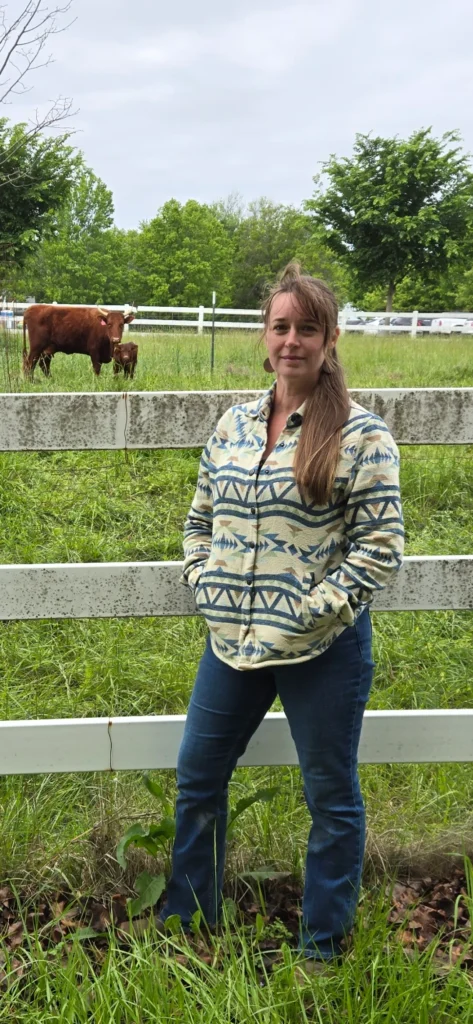
Farmers Mickey Gallagher—known as the “Johnny Elderberry Seed” of KC Farmyard—and Bevin Brooks of LionBerry Regenerative serve as co-chairs of the American Heartland Elderberry Collaborative.

Together, they’ve been touring AgriCluster member farms across the region, working to cultivate and expand American elderberry production.

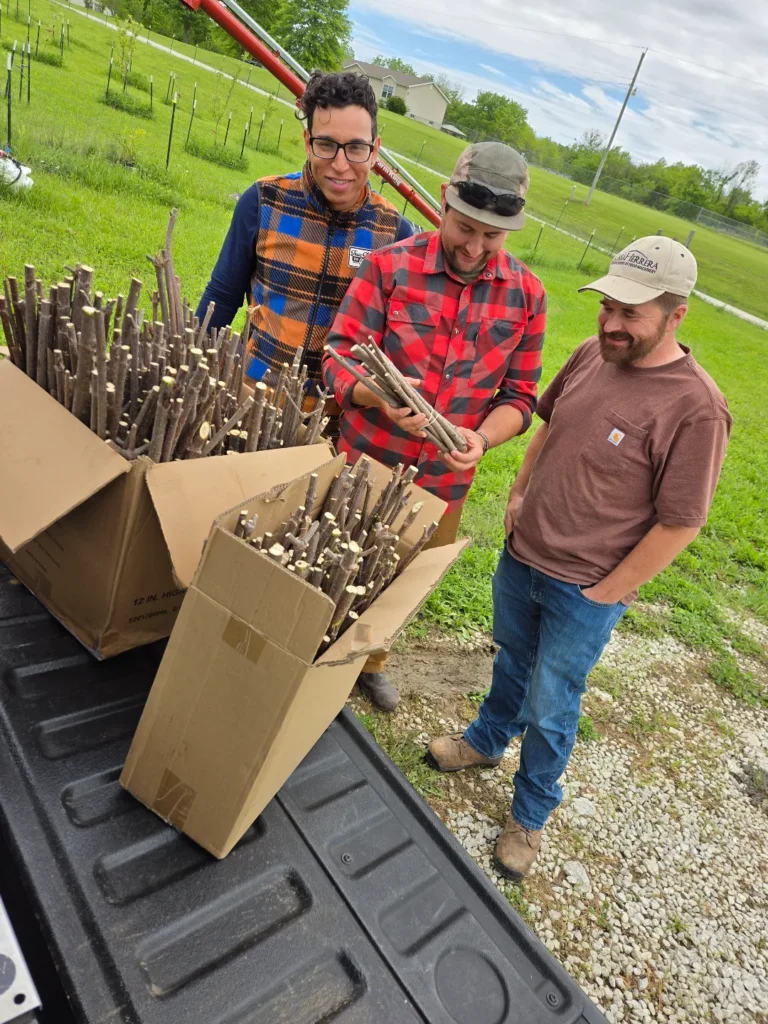
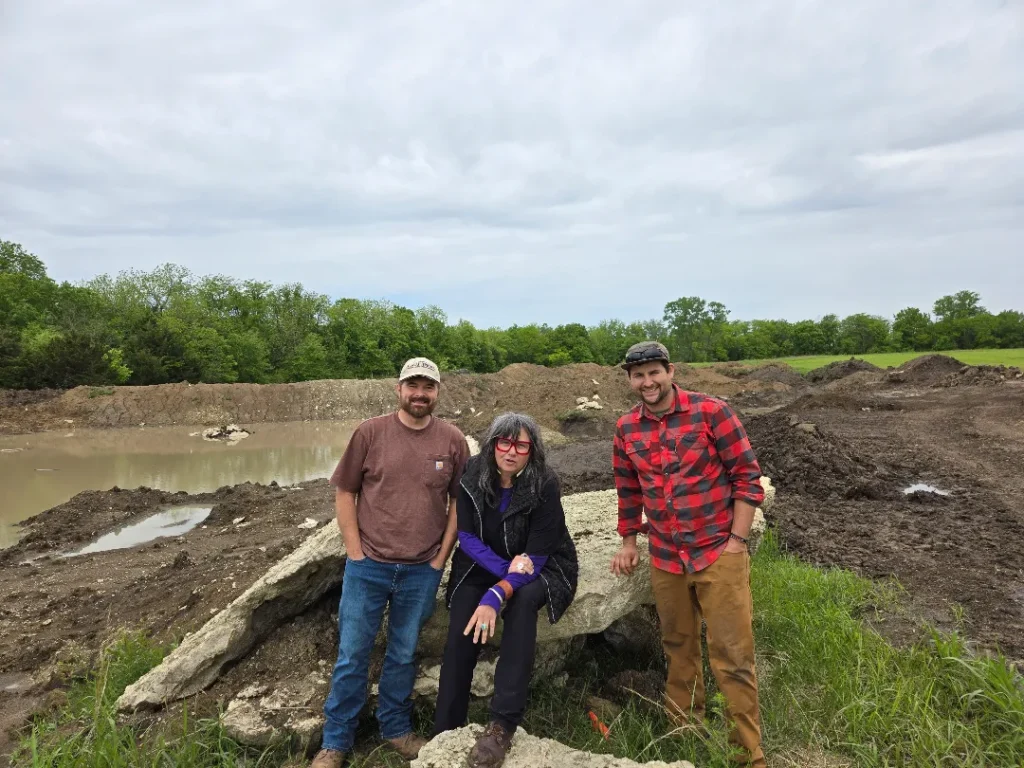
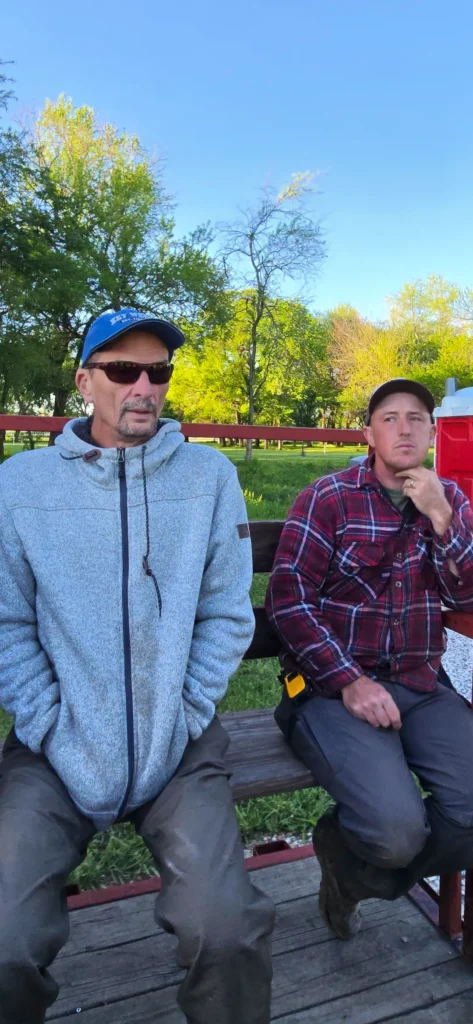
This week, they visited with Jeremy Fyler of Fyler Farms, helping launch his elderberry orchard. Jeremy, who operates a flour mill and is building an impressive fruit orchard, received 500 elderberry cuttings sourced from fellow AgriCluster member Michael Hursey of Casa Somerset.

The newly formed American Heartland Elderberry AgriCluster continued its tour with visits to fellow members including Colonial Gardens, KC Good Oak LLC, and Powell Gardens—sharing knowledge around elderberry’s role in regenerative agriculture and its ability to restore marginal soils.

Mickey Gallagher also serves as the in-house farmer at Casa Somerset’s elderberry orchard while operating KC Farmyard, known for specialty crops like ginger.

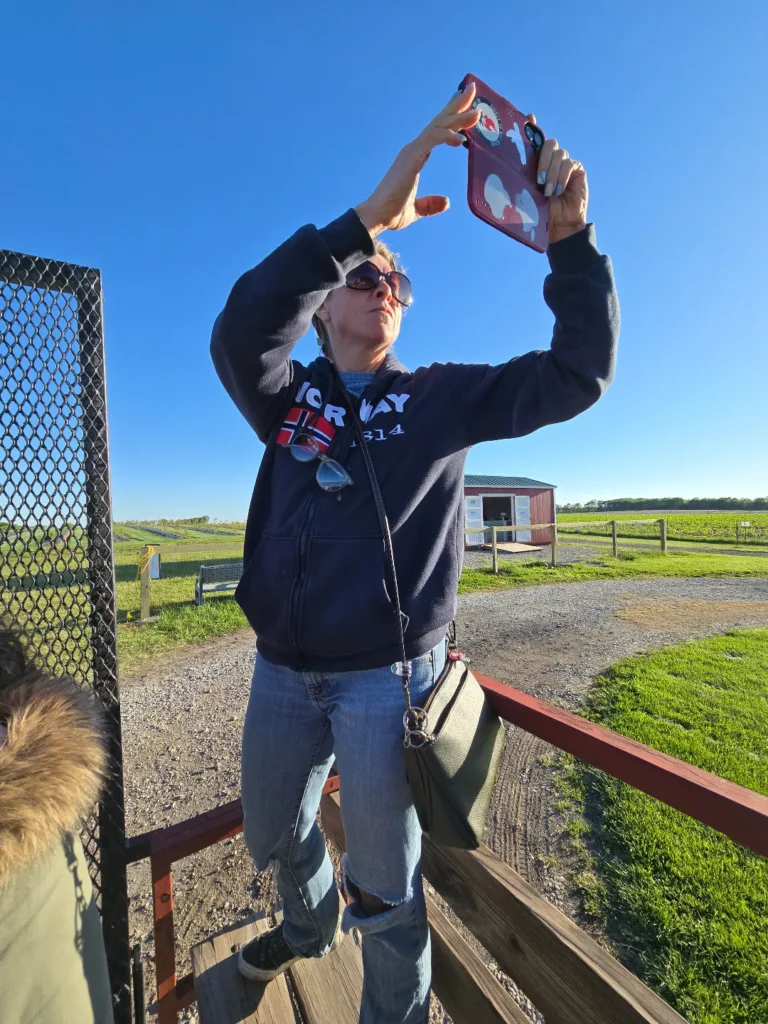
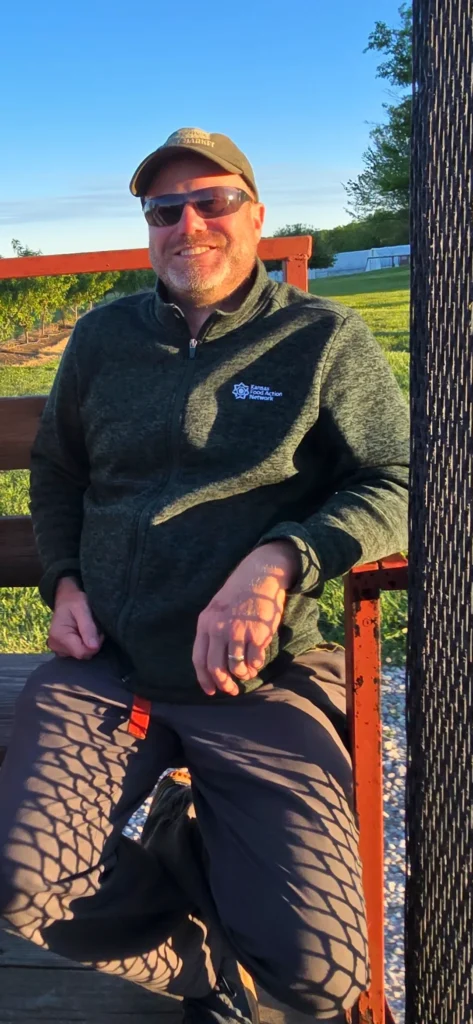
Later that evening, members crossed back into Kansas to attend a lecture on agritourism at Gieringer’s Family Orchard & Berry Farm. There, AgriCluster members—including Lori Trojan of Wild Ivy Herb Farm, Siri and Robert Leonard, and new member Tom Buller of Kansas Rural Center—gathered to discuss soil health, specialty crops, and opportunities for regional agriculture.


Why Elderberry?

  • Thrives on marginal soils
  • Helps prevent erosion
  • Integrates into regenerative systems
  • Supports perennial hedgerows
  • Attracts pollinators
  • Strengthens ecosystems
  • Sequesters carbon
  • Enhances mycorrhizal activity
  • Stabilizes degraded soils
  • Can be coppiced and composted annually
  • Aligns with demand for regional products
  • Disrupts fragile global supply chains

Food is Medicine.

 FOLLOW CO-CHAIRS MICKEY AND BEVIN IN THE DAY  OF A LIFE OF STEWARDING ELDERBERRY WITH DIRTY DEEDS DONE DIRT CHEAP! 

We start the day in Kansas at Casa Summerset where we pick up elderberry cuttings from Michael Hursey to deliver to a farm in Missouri.
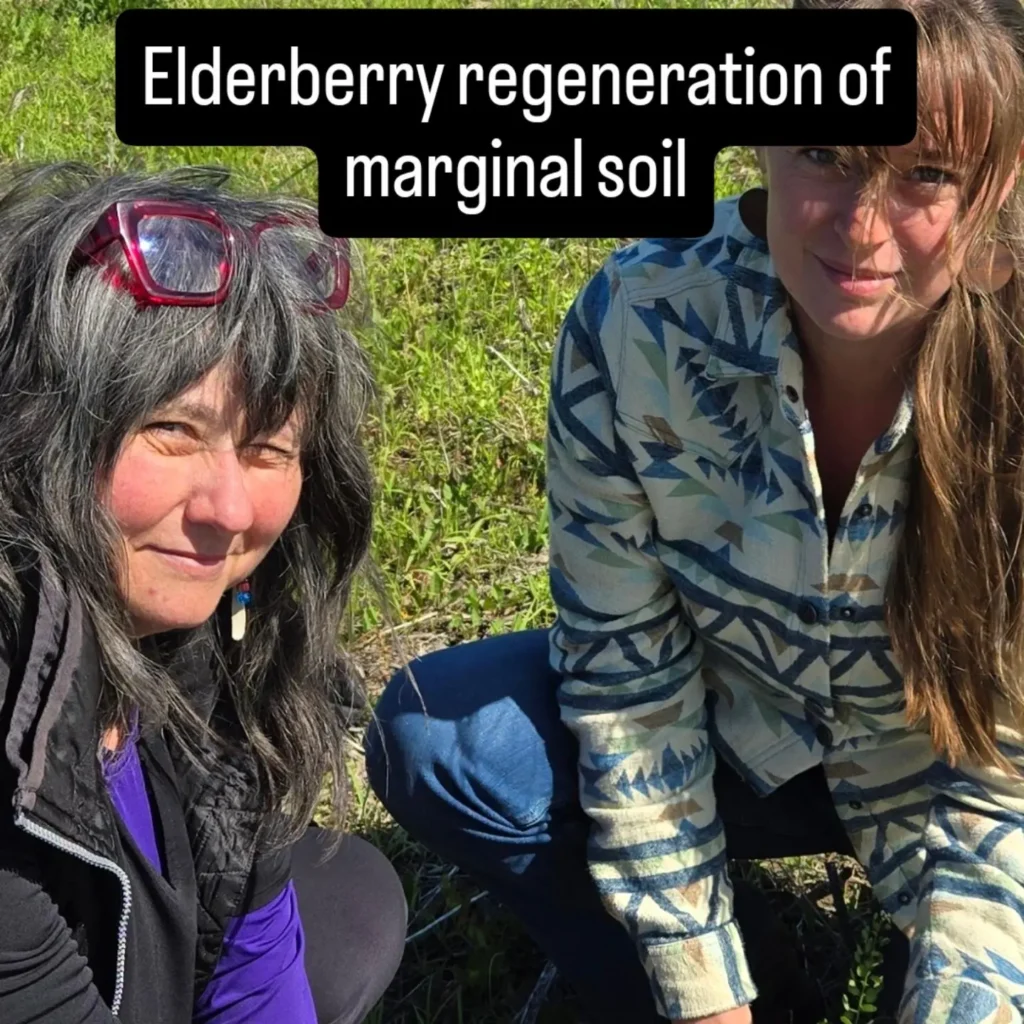
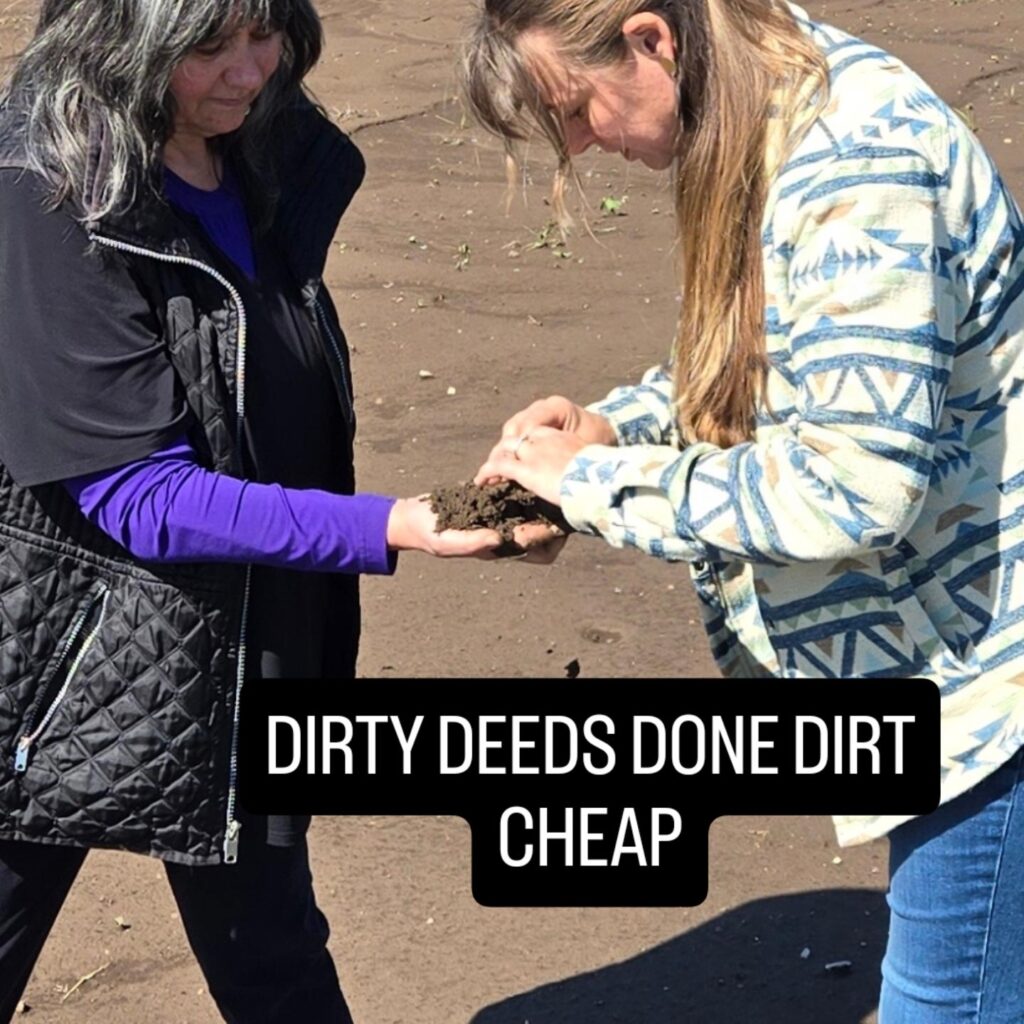
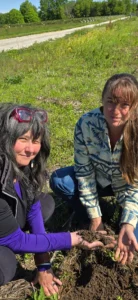
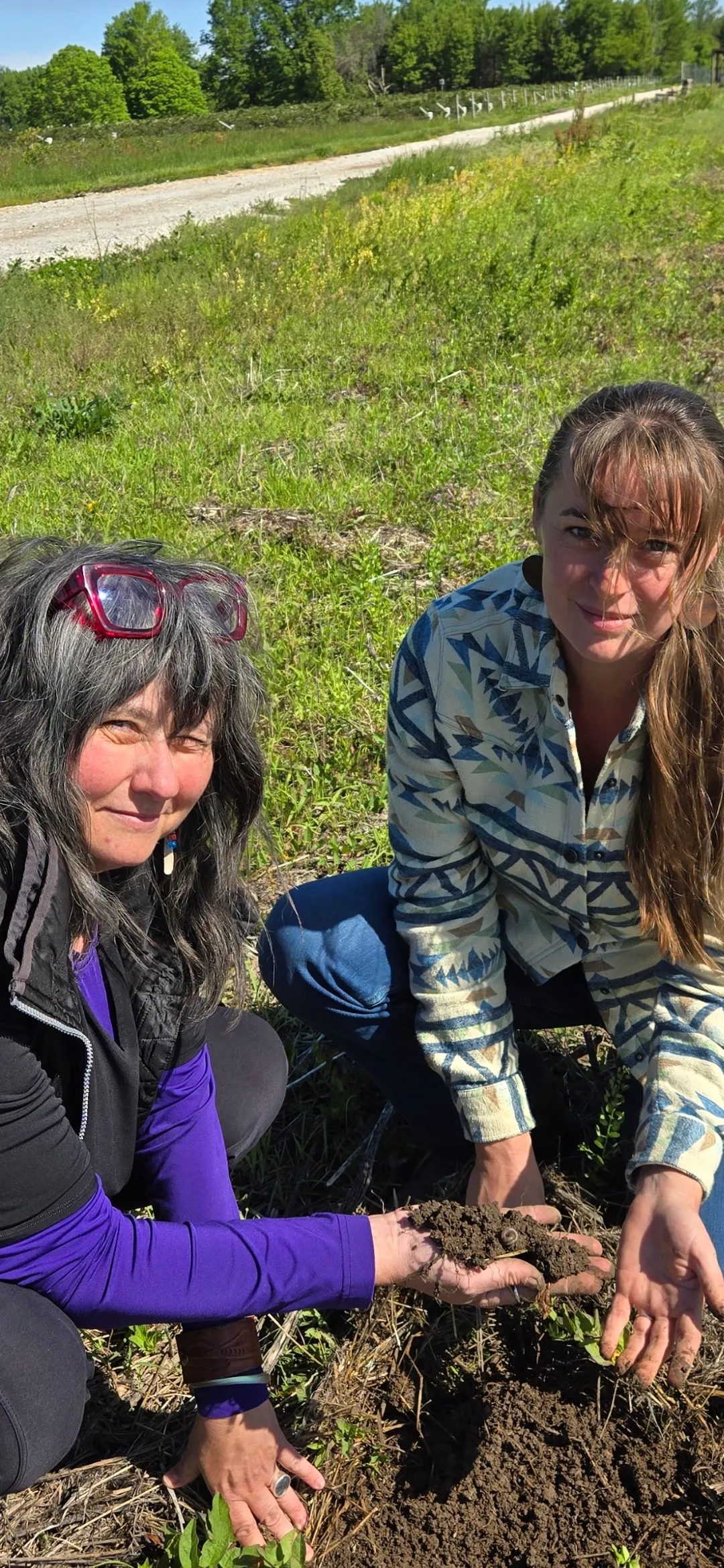
At Colonial Farms, Cassandra and Bevin compare good soil with mycorrhizal life to soil that was subjected to unknown pesticide chemicals 5 or 6 years ago.
We discuss the possibilities of elderberry in the marginal soil in Missouri.
Poor Soil
Elderberry may be the answer! DIRTY DEEDS DONE DIRT CHEAP.
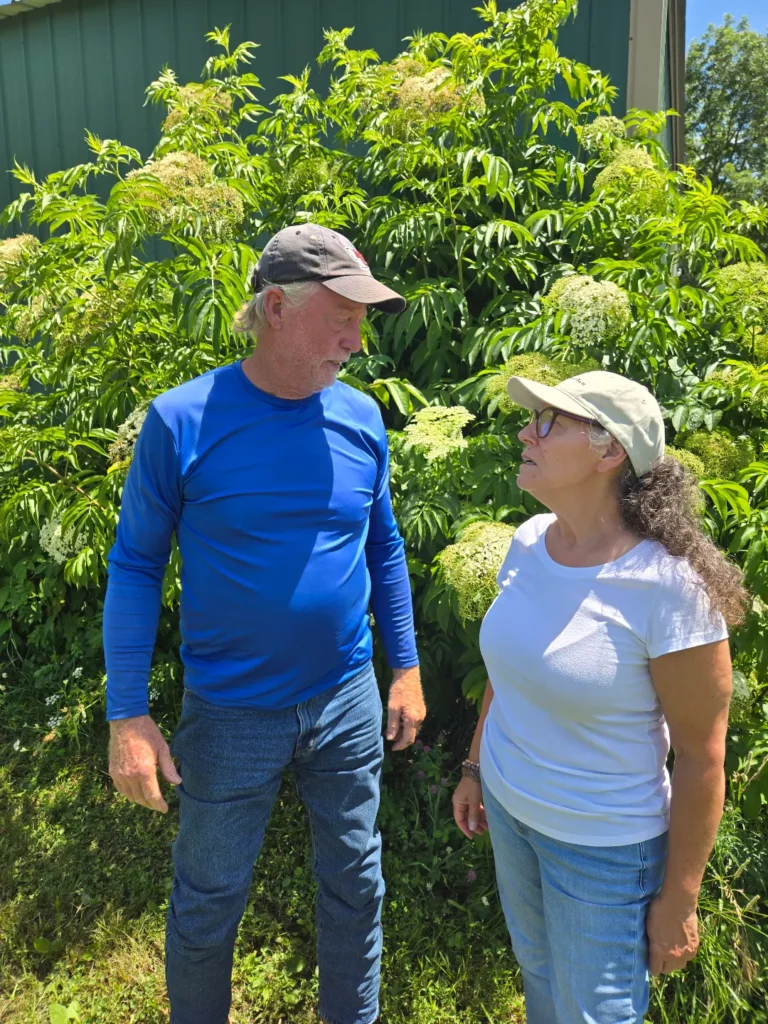
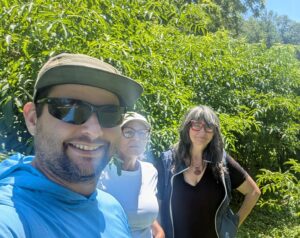
Mickey and Cassandra in the Elderberry at Colonial Gardens newly acquired by Powell Gardens.
Cassandra lifelong feral female farmer is a member of the American Heartland Elderberry Collaborative and she focusses on our future infrastructure. She also runs Good Oak LLC where they have more elderberry and her famous critters.
Later on that day Co-chairs of American Heartland Elderberry Collaborative, Mickey and Bevin, made a farm visit with Jeremy of Fyler Farms who is adding American elderberry (Bob Gordon) to his orchard. These 500 cuttings are from Casa Summerset’s elderberry orchard. More DIRTY DEEDS DONE DIRT CHEAP as we transport elderberry cuttings across state lines!
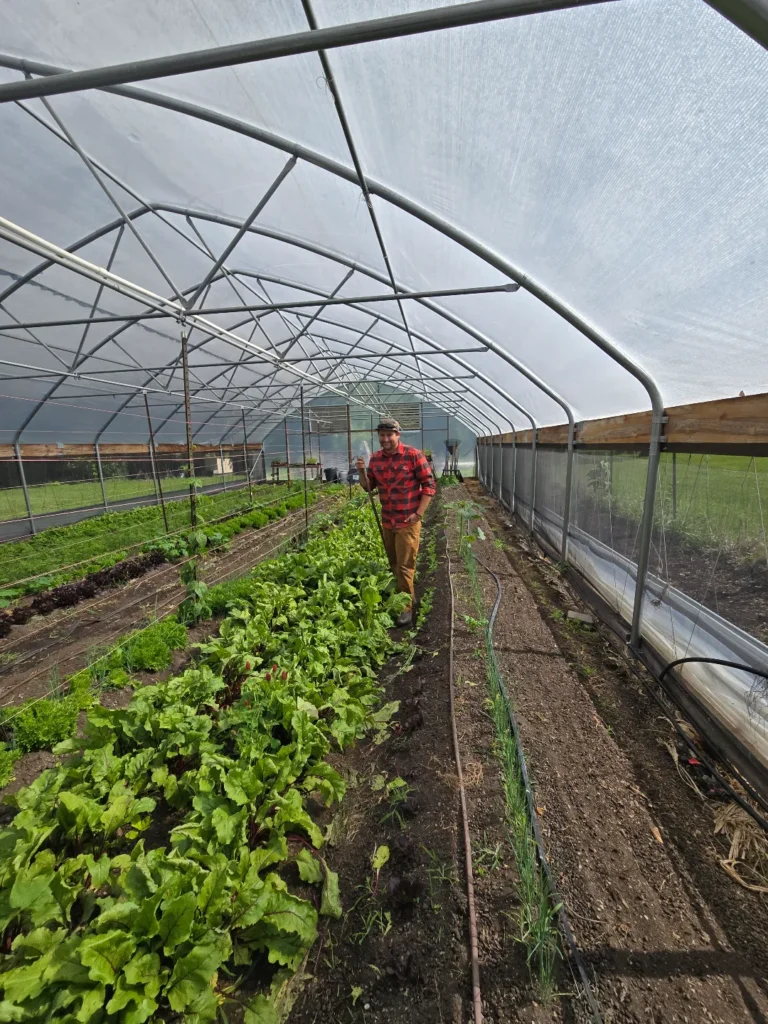
Jeremy has alot of new projects on his farm and lots of room for elderberry to help with his Missouri soil health.

Facebook
X
LinkedIn

Fortifying the Heartland: My Christmas Wish for Hy-Vee.

Lionberry 's Weekly Delusion and Re-illusion Update.

This week’s delusion is pretending our grocery stores don’t have a weak point.

This week’s re-illusion is remembering that strength comes from building on what already works, not acting like we’re starting from scratch.

Hy-Vee does a really good job bringing in local barbecue sauces, jams, honey, and other value-added foods from the Heartland.

We’re not starting from zero.

But we are starting from small.

So I handed Santa a LionBerry and gave him my Christmas list:

A fortified Hy-Vee — one that expands the Heartland section that already exists into a full, accessible, stocked-every-day aisle for local foods.

Not to replace the global or national imports like Florida oranges, California almonds, Mexico avocados, pineapple juice from Thailand, or coastal produce —

but to stand beside them, so the region isn’t left vulnerable the next time anything shakes the system:

  • fuel shortages
  • war
  • trucking strikes
  • geopolitics
  • water shortages
  • drought or dust-bowl conditions
  • port disruptions
  • cyber hits
  • natural disasters

Any one of these can break a supply chain.

A fortified regional shelf — built from the farms around Kansas, Missouri, and Nebraska — keeps us fed.

The World Cup is coming to Kansas City.

Soccer tourists from Germany, Brazil, Japan, everywhere — living in Airbnbs for three to six weeks, shopping at Hy-Vee for everything from breakfast to body soap.

If we went to Germany, we’d want Wienerschnitzel.

If we went to Brazil, we’d want feijoada.

If we went to Japan, we’d want ramen or sushi that actually tastes like Japan.

So when they come to the Heartland, they don’t want a New York hot dog or a California cheeseburger.

They want us — the real Midwest.

What do we grow and make here?

  • local barbecue sauces
  • local fruit like blueberries
  • corn tortillas, tomato sauces, and beans
  • wheat pastas and breads
  • value-added soaps made from beef tallow
  • local meat, dairy, and eggs
  • elderberry drinks

And soccer tourists staying in AirBnB’s need actual essentials:

  • dish soap
  • cleaning agents
  • body soap and hygiene products
  • breakfast foods
  • snacks
  • drinks
  • basics
  • dinners

This is exactly why a stronger Heartland aisle matters — not just for crisis, but for culture, tourism, and everyday life.

This week’s delusion is pretending our grocery stores don’t have a weak point.
This week’s re-illusion is remembering that strength comes from building on what already works, not acting like we’re starting from scratch.

Hy-Vee does a really good job bringing in local barbecue sauces, jams, honey, and other value-added foods from the Heartland.
We’re not starting from zero.
But we are starting from small.

So I handed Santa a LionBerry and gave him my Christmas list:

A fortified Hy-Vee — one that expands the Heartland section that already exists into a full, accessible, stocked-every-day aisle for local foods.

Not to replace the global or national imports like Florida oranges, California almonds, Mexico avocados, pineapple juice from Thailand, or coastal produce —
but to stand beside them, so the region isn’t left vulnerable the next time anything shakes the system:

  • fuel shortages
  • war
  • trucking strikes
  • geopolitics
  • water shortages
  • drought or dust-bowl conditions
  • port disruptions
  • cyber hits
  • natural disasters

Any one of these can break a supply chain.
A fortified regional shelf — built from the farms around Kansas, Missouri, and Nebraska — keeps us fed.

The World Cup is coming to Kansas City.
Soccer tourists from Germany, Brazil, Japan, everywhere — living in Airbnbs for three to six weeks, shopping at Hy-Vee for everything from breakfast to body soap.

If we went to Germany, we’d want Wienerschnitzel.
If we went to Brazil, we’d want feijoada.
If we went to Japan, we’d want ramen or sushi that actually tastes like Japan.

So when they come to the Heartland, they don’t want a New York hot dog or a California cheeseburger.
They want us — the real Midwest.

What do we grow and make here?

  • local barbecue sauces
  • local fruit like blueberries
  • corn tortillas, tomato sauces, and beans
  • wheat pastas and breads
  • value-added soaps made from beef tallow
  • local meat, dairy, and eggs
  • elderberry drinks

And soccer tourists staying in Airbnbs need actual essentials:

  • dish soap
  • cleaning agents
  • body soap and hygiene products
  • breakfast foods
  • snacks
  • drinks
  • basics
  • dinners

This is exactly why a stronger Heartland aisle matters — not just for crisis, but for culture, tourism, and everyday life.

A shared warehouse, a shared distributor, and a unified block of local makers would let regional foods move with the same efficiency as national brands — while staying rooted right here.

Tourists will buy it.
Locals will keep it.
And if anything ever shakes the world, a fortified Hy-Vee keeps the Heartland standing.

That’s what I told Santa.
That’s my wish this year.
And that’s exactly what LionBerry is built to help do — bottle by bottle, aisle by aisle.