What are we, exactly?

BS Weekly #13

That’s the question I keep circling after Mount Vernon. Are we a specialty crop, or are we bait for big ag? Because those are two very different futures, and American elderberry is standing right at the fork.

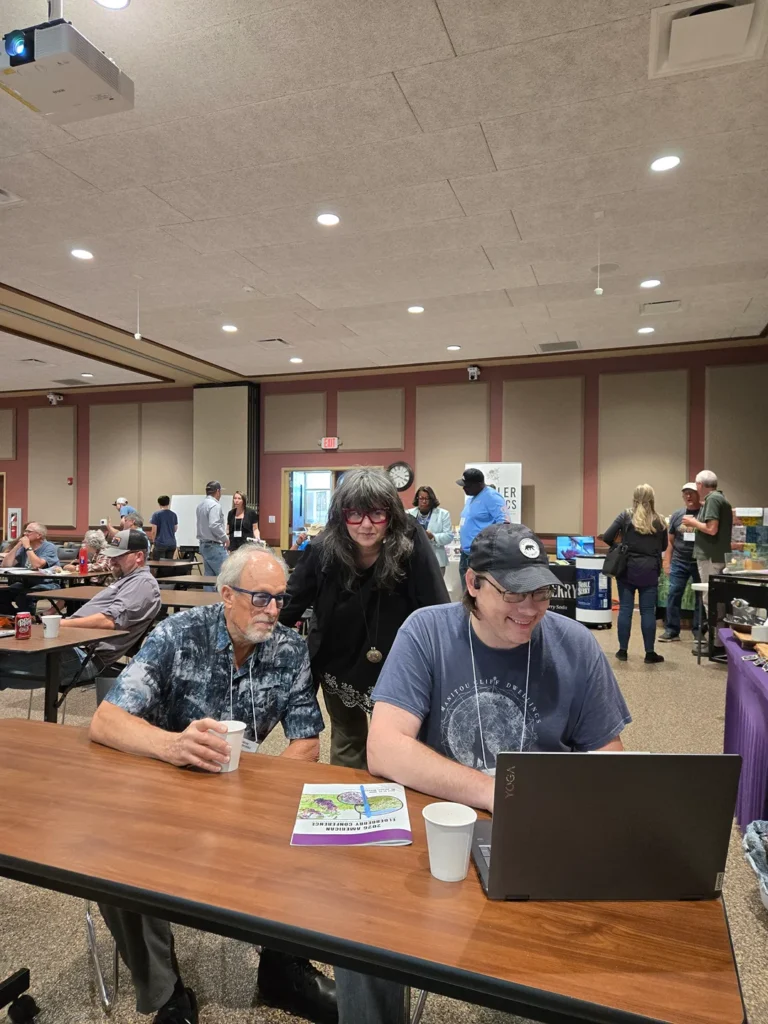
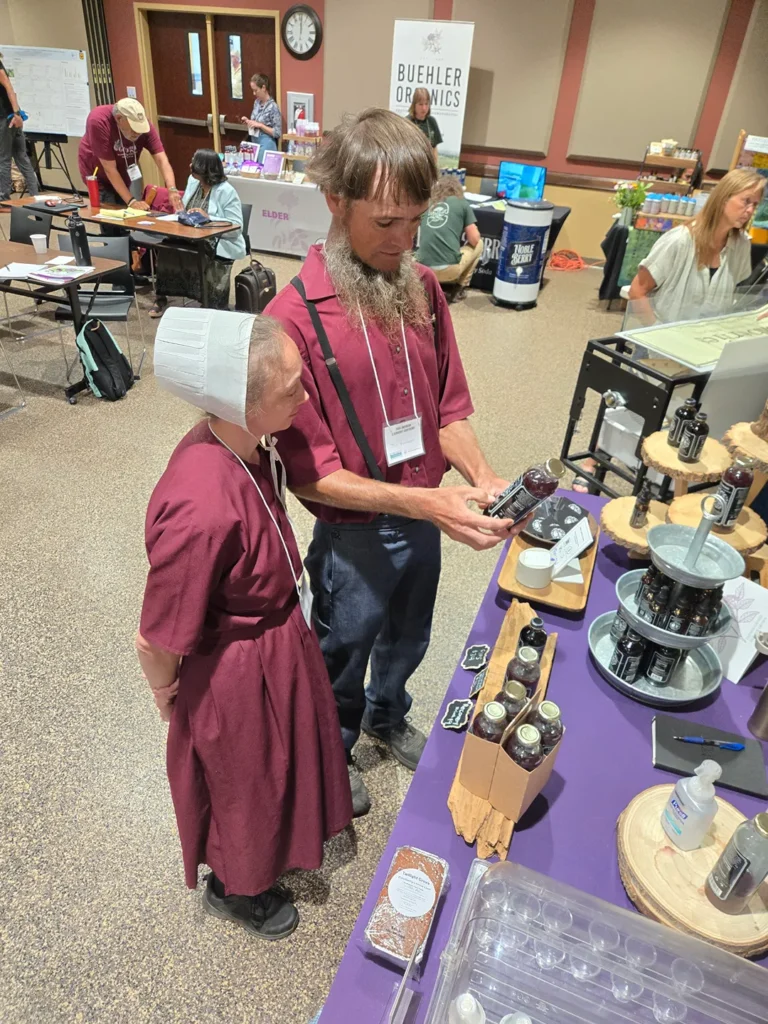
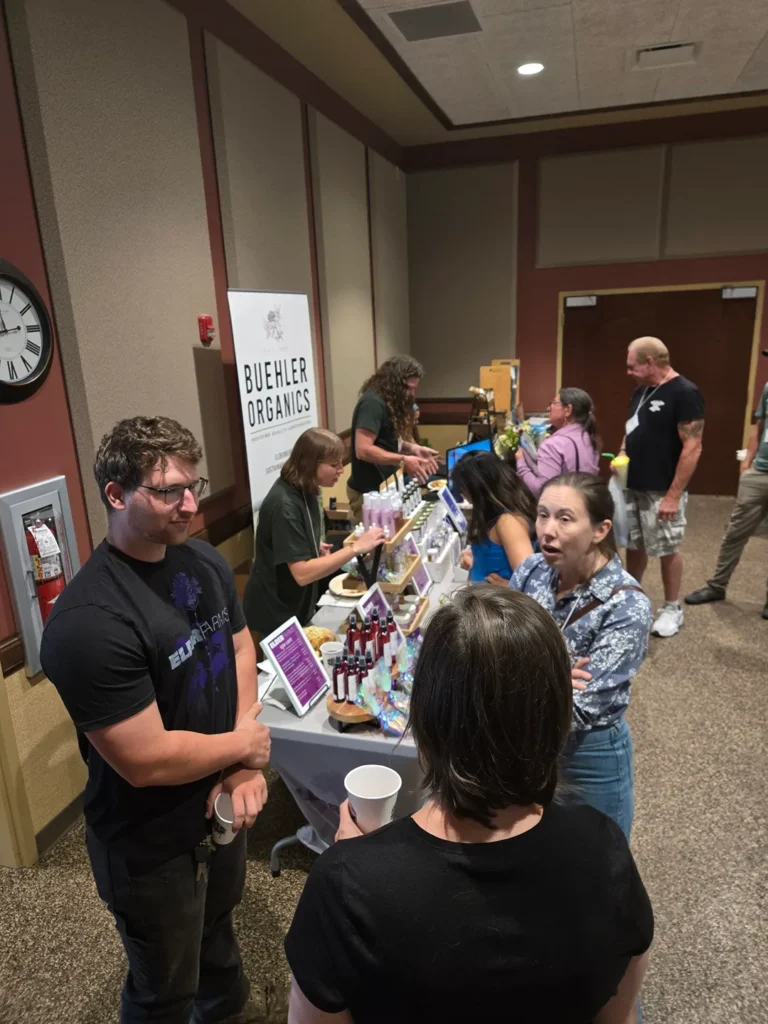
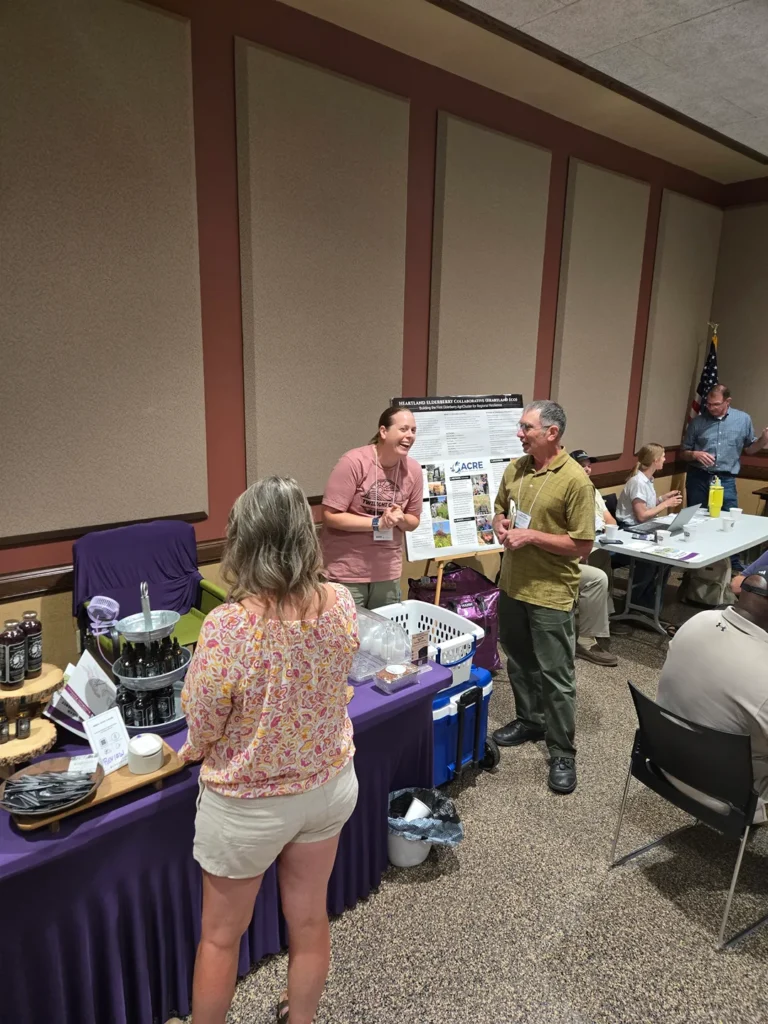
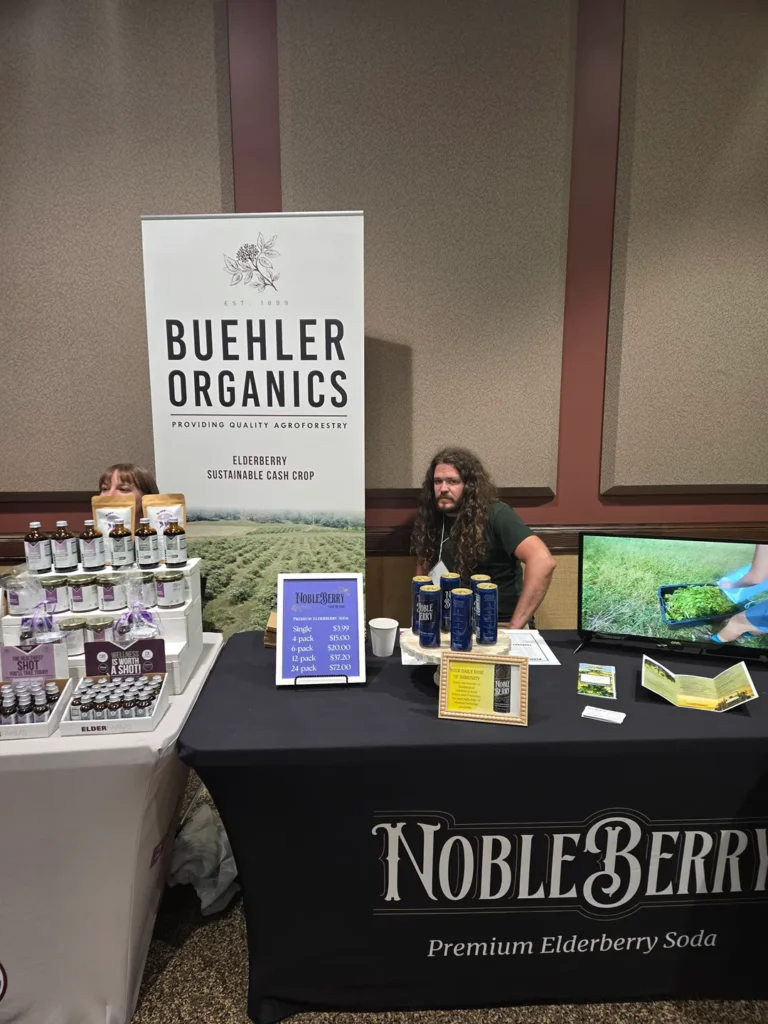
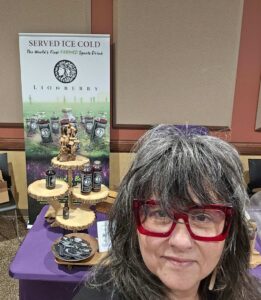
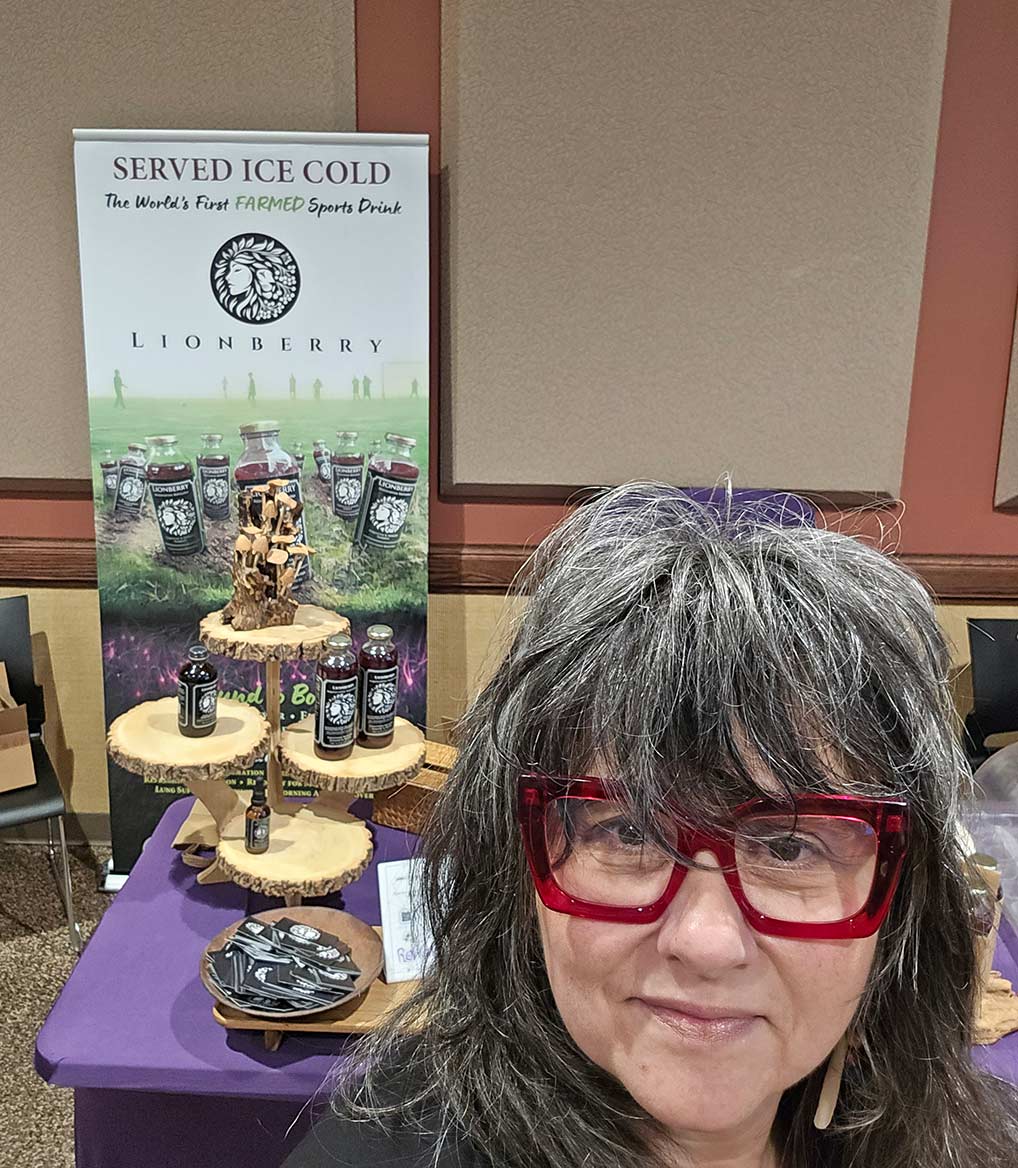
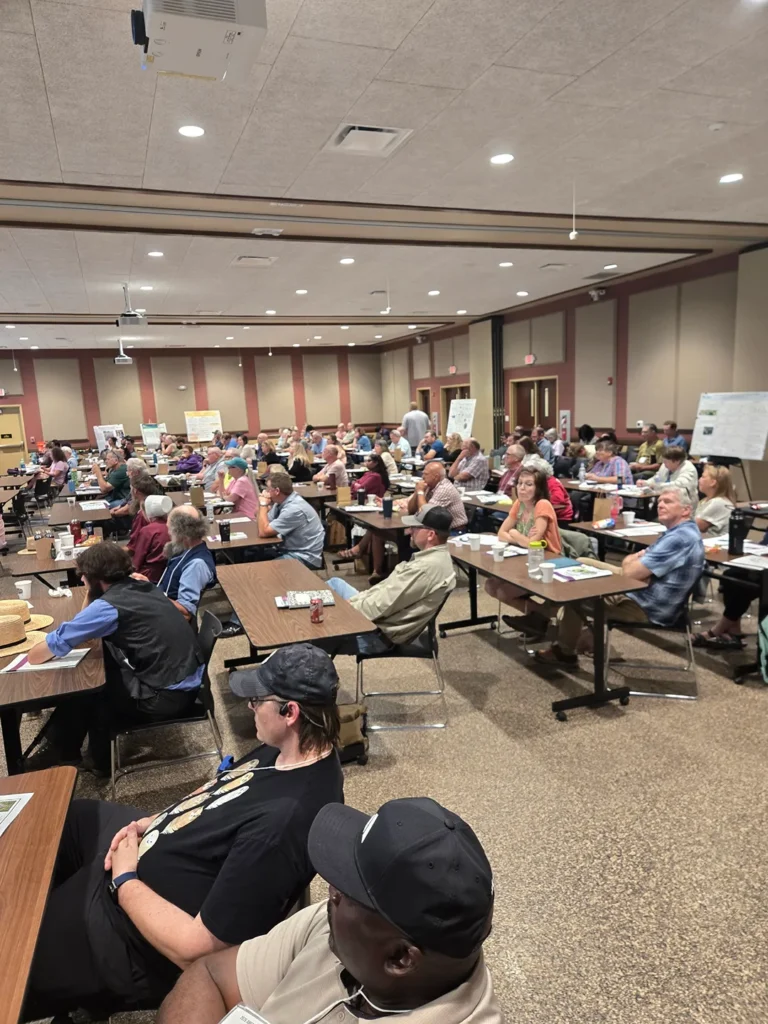
This June the national elderberry community gathered in Mount Vernon, Missouri. The Heartland American Elderberry Collaborative brought our poster. LIONBERRY REGENERATIVE™ stood alongside Elder Farms and River Hills Harvest. Dr. Andrew Thomas hosted, Buehler Organics and Elder Farms put on a dinner, and researchers, growers, and processors all ended up at the same tables. Good food, good people, real momentum.

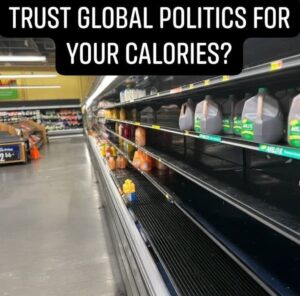
But here’s the edge I can’t put down. The moment a crop gets valuable, the commodity machine notices. It comes in offering scale and efficiency, and it leaves behind growers who no longer own anything, working someone else’s market for someone else’s margin. We’ve watched it happen to crop after crop. The question isn’t whether American elderberry is worth that much attention. It’s whether we’ll be the ones holding it when it is.

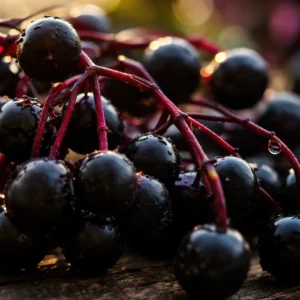
So why does this crop matter enough to fight over? The science is finally catching up to what growers always sensed. American elderberry is anti-inflammatory in a way that speaks straight to how most of us actually live now, carrying oxidative stress from overprocessed food. And it’s stepping into the GLP-1 and metabolic-recovery moment, where early results on blood sugar and fat oxidation are turning heads. Our native berry isn’t the understudy to European Sambucus nigra either. The American acylated anthocyanin is more protected, more likely to survive processing and reach where it’s meant to work. We are not the lesser version. We are the better one, and we’re only now saying it out loud.

That’s exactly why the fork matters. A crop this promising will get built into a market by somebody. The only question is whose hands stay on it.

Here’s where I land, and where Mount Vernon left me hopeful. We are small, and small is not the weakness everyone assumes. Small means we can actually know each other. It means a grower, a researcher, and a brand can sit at one dinner table and leave understanding each other’s language. That’s how an AgriCluster works. We stick together, we grow the grower base on our own terms, and we build the shared story before anyone builds it for us. We’re standing on fertile ground here, in the dark, underground, where the real trading happens before anything shows on the surface.

More growers, yes. But growers who own it. That’s the whole game.
Facebook
X
LinkedIn

Presentation at the Great Plains Growers Conference

Lionberry 's Weekly Delusion and Re-illusion Update.

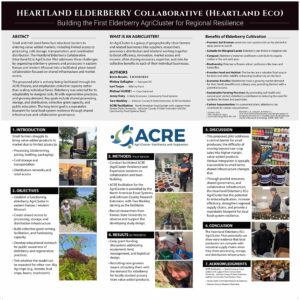
Heartland Elderberry Collaborative (Heartland ECo)


“Instead of asking each farm to grow bigger, we’re building shared capacity so farms can stay viable at their current scale while accessing value-added markets.”

An AgriCluster Pilot for Shared Infrastructure and Value-Added Market Access
Eastern Kansas / Western Missouri


PROBLEM CONTEXT

Small and mid-sized farms face persistent structural barriers to entering value-added markets, including:

• Limited access to processing infrastructure
• Limited cold storage capacity
• Transportation constraints
• Fragmented, uncoordinated distribution
• High costs from duplicating equipment and logistics across individual farms

These constraints restrict grower profitability, inhibit vertical integration, and reduce the viability of diversified regional food systems.


WHAT HEARTLAND ECo IS

The Heartland Elderberry Collaborative (Heartland ECo) is an active, facilitated, place-based AgriCluster pilot organizing elderberry growers and processors in eastern Kansas and western Missouri.

• Facilitated through ACRE (AgriCluster Resilience and Expansion)
• Emphasizes collective capacity-building and shared infrastructure
• Designed to enable farm-level vertical integration (grow, process, and take products to market)
• Structured to share infrastructure, governance, and market access


WHAT HEARTLAND ECo IS NOT

• Not a single-farm expansion program
• Not a commodity-scale production model
• Not a vertically integrated corporate system


WHY ELDERBERRY

• Performs well on marginal soils
• Integrates with soil-health and regenerative practices
• Supports perennial hedgerows and diversified systems
• Enables multiple value-added pathways (destemming, juicing, beverage and supplement production)
• Aligns with growing consumer demand for regionally produced products

The pilot is explicitly designed to test repeatability across additional non–Big Ag crops, including tomatoes, fruit crops, and legumes.


CURRENT PILOT STATUS

• Core grower group established
• Regular coordination underway
• Shared infrastructure priorities identified
• Grower recruitment initiated
• Early coordination with grocery buyers in progress


SHARED INFRASTRUCTURE HUB CONCEPT

The Heartland ECo model proposes a centralized hub facility located south of Kansas City to support participating farms and processors.

• Aggregation and intake
• Cold storage
• Destemming
• Juicing
• Bottling
• Short-haul regional distribution

The hub is intended to reduce duplicated equipment costs, logistical inefficiencies, and fragmented distribution efforts that commonly limit small-farm participation in value-added markets.


PILOT OBJECTIVES

Establish a functioning elderberry AgriCluster
Create shared access to processing, storage, and distribution infrastructure
Build collective grant-writing and fundraising capacity
Coordinate educational outreach related to elderberry and soil-health practices
Evaluate feasibility of scaling the model across additional crops and regions


FORTHCOMING PILOT STUDY

This poster outlines a proposal for a forthcoming pilot study to formally evaluate the effectiveness of the Heartland ECo model.

• Economic impact
• Grower profitability
• Infrastructure utilization
• Soil-health indicators
• Logistical efficiency
• Replicability across crops and regions

DOWNLOAD POSTER HERE