

BS Weekly #13
That’s the question I keep circling after Mount Vernon. Are we a specialty crop, or are we bait for big ag? Because those are two very different futures, and American elderberry is standing right at the fork.
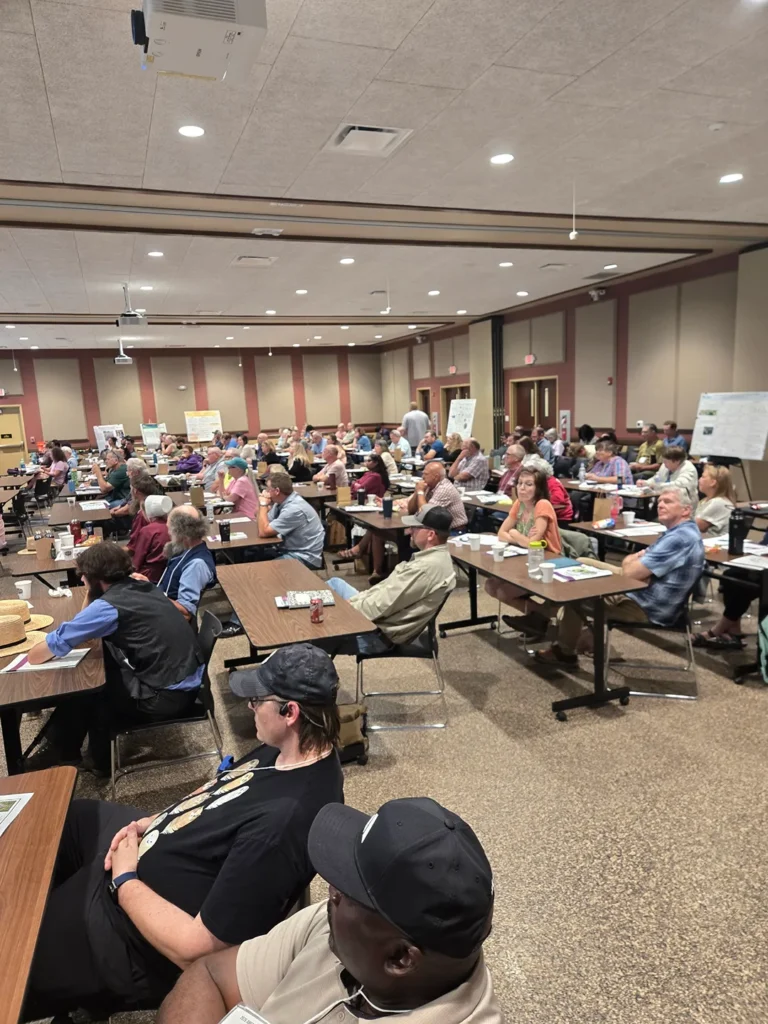
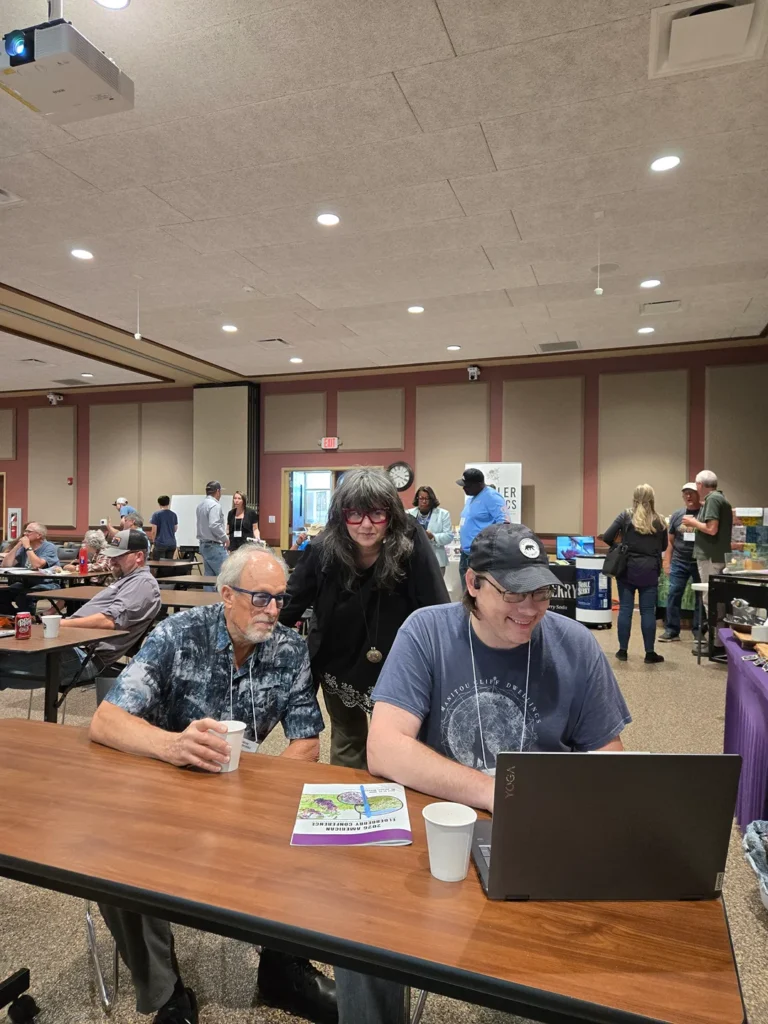
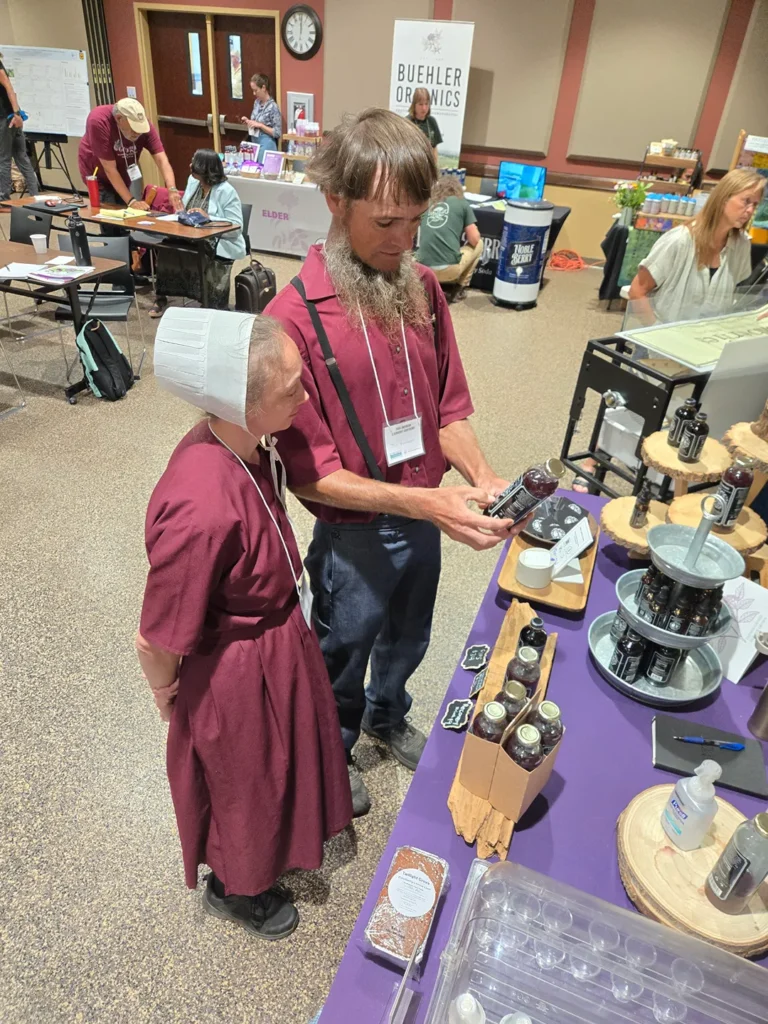
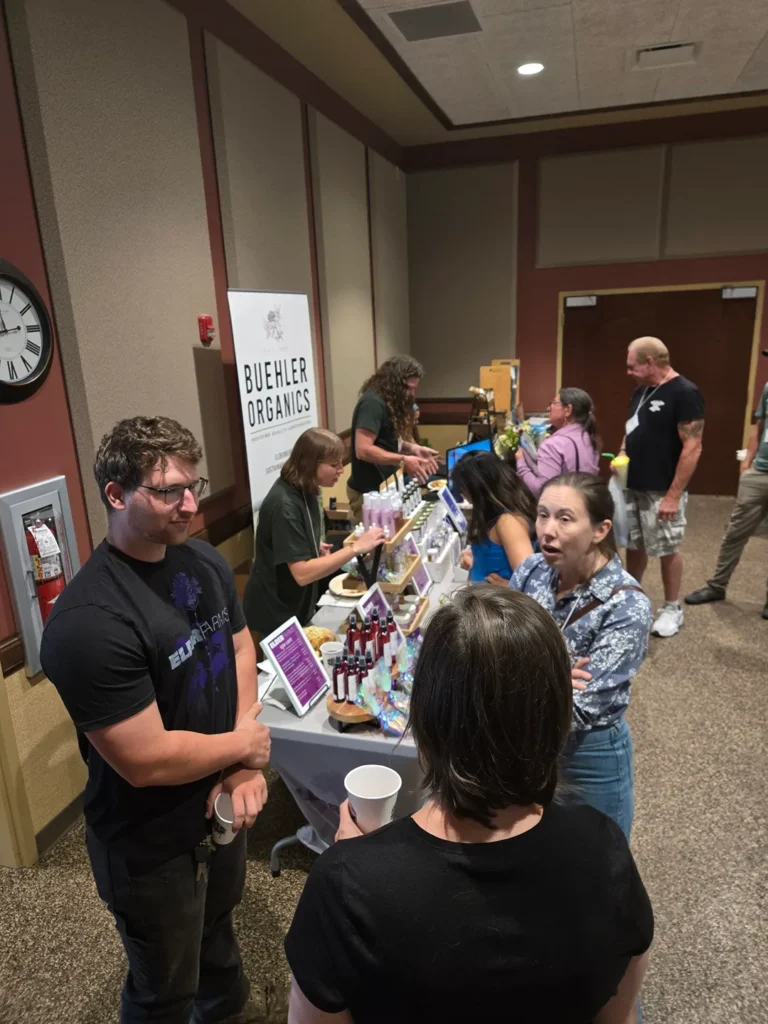
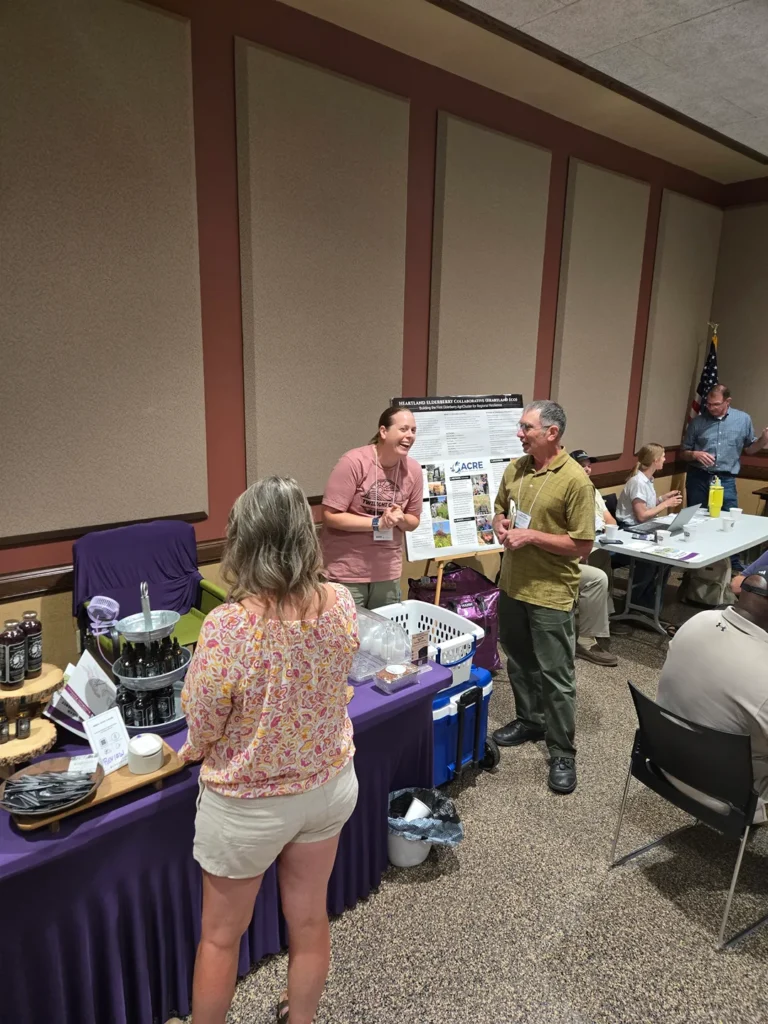
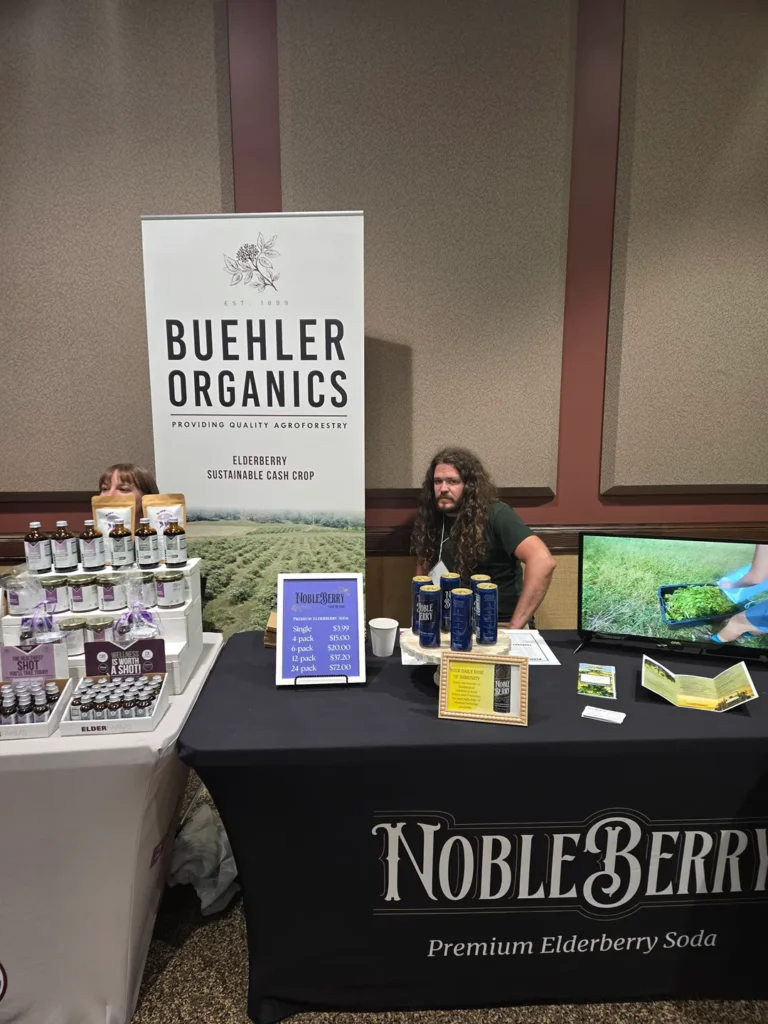
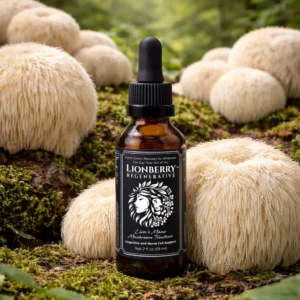
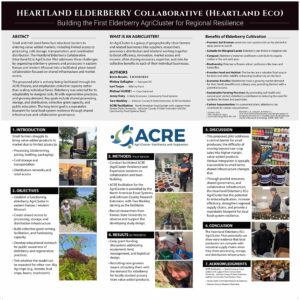
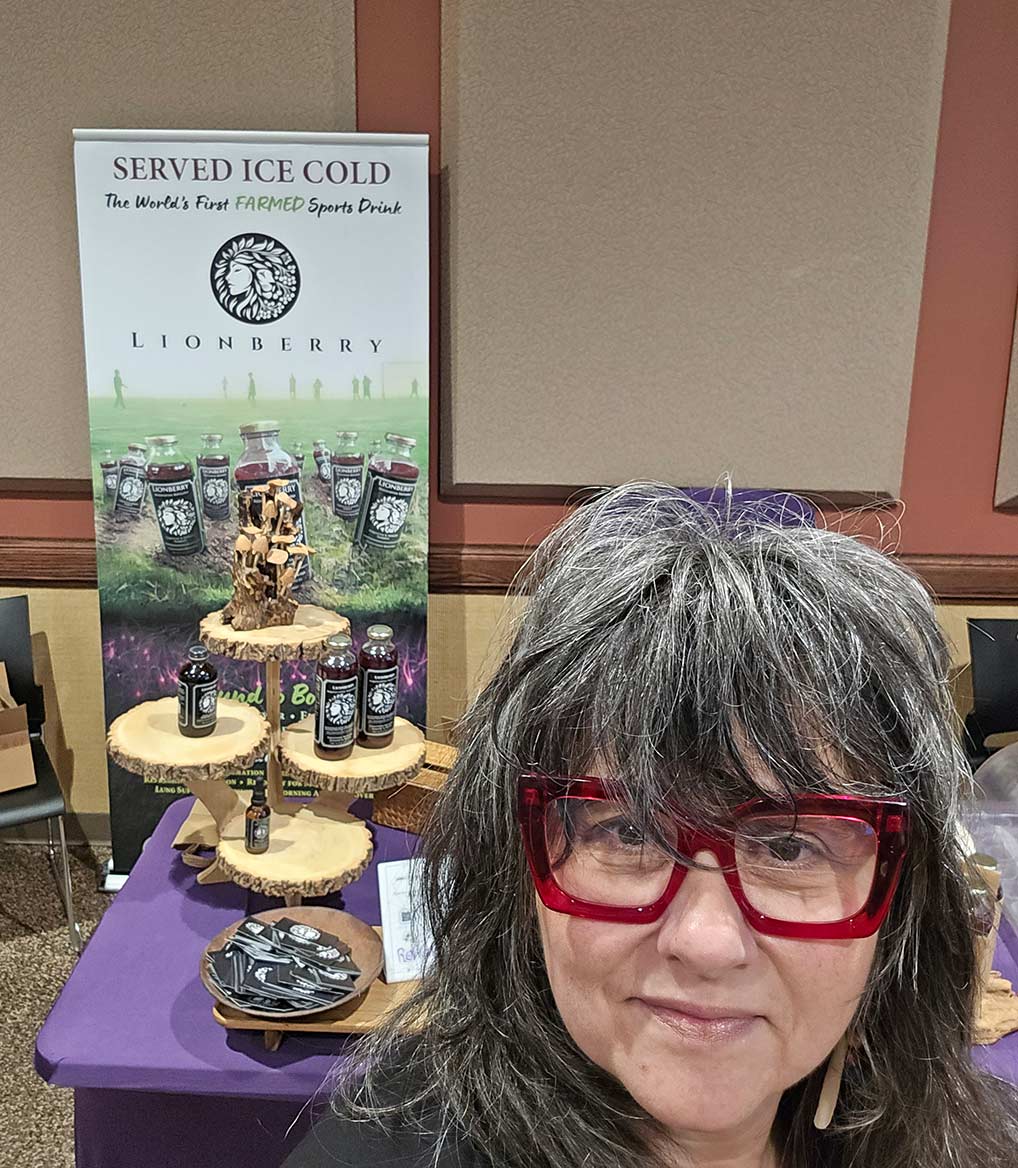
This June the national elderberry community gathered in Mount Vernon, Missouri. The Heartland American Elderberry Collaborative brought our poster. LIONBERRY REGENERATIVE™ stood alongside Elder Farms and River Hills Harvest. Dr. Andrew Thomas hosted, Buehler Organics and Elder Farms put on a dinner, and researchers, growers, and processors all ended up at the same tables. Good food, good people, real momentum.
But here’s the edge I can’t put down. The moment a crop gets valuable, the commodity machine notices. It comes in offering scale and efficiency, and it leaves behind growers who no longer own anything, working someone else’s market for someone else’s margin. We’ve watched it happen to crop after crop. The question isn’t whether American elderberry is worth that much attention. It’s whether we’ll be the ones holding it when it is.
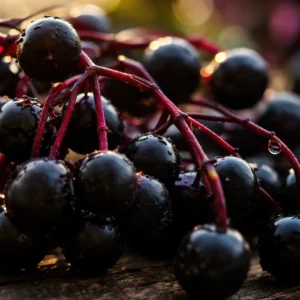
So why does this crop matter enough to fight over? The science is finally catching up to what growers always sensed. American elderberry is anti-inflammatory in a way that speaks straight to how most of us actually live now, carrying oxidative stress from overprocessed food. And it’s stepping into the GLP-1 and metabolic-recovery moment, where early results on blood sugar and fat oxidation are turning heads. Our native berry isn’t the understudy to European Sambucus nigra either. The American acylated anthocyanin is more protected, more likely to survive processing and reach where it’s meant to work. We are not the lesser version. We are the better one, and we’re only now saying it out loud.
That’s exactly why the fork matters. A crop this promising will get built into a market by somebody. The only question is whose hands stay on it.
Here’s where I land, and where Mount Vernon left me hopeful. We are small, and small is not the weakness everyone assumes. Small means we can actually know each other. It means a grower, a researcher, and a brand can sit at one dinner table and leave understanding each other’s language. That’s how an AgriCluster works. We stick together, we grow the grower base on our own terms, and we build the shared story before anyone builds it for us. We’re standing on fertile ground here, in the dark, underground, where the real trading happens before anything shows on the surface.
More growers, yes. But growers who own it. That’s the whole game.