Athlete Spotlight: John Cantrell Chooses LionBerry for Recovery & Focus

When it comes to sports performance, recovery isn’t optional — it’s essential. That belief is shared by John Cantrell, a heavyweight boxer known for his discipline, power, and commitment to training smart.

That commitment is why John has chosen LIONBERRY as part of his routine.

Built for Sports — Not Just the Game, But the Grind

Athletes at every level push their bodies hard — in training, competition, and everyday life. LionBerry was created for that exact reality: a regenerative hydration and recovery drink made from real, regionally grown ingredients, not lab-built shortcuts.

LionBerry combines:

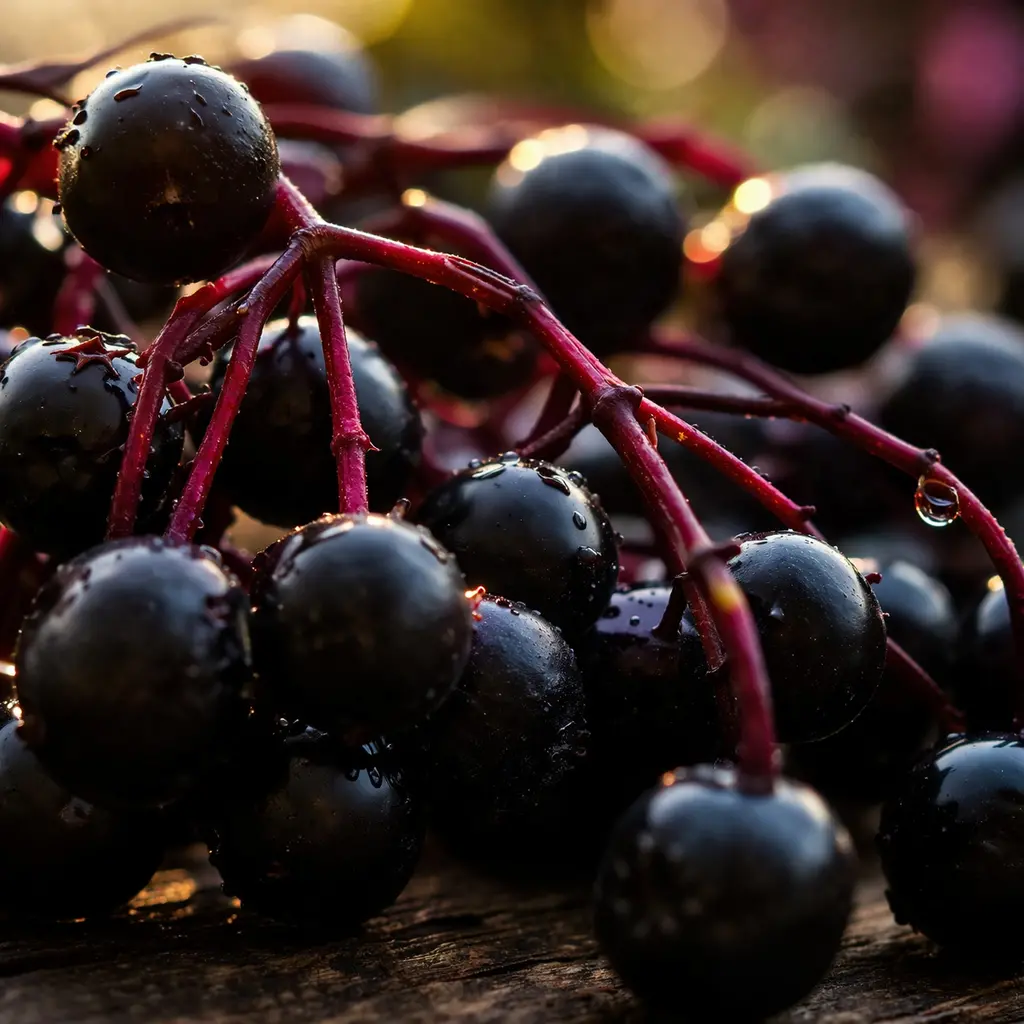
  • Native elderberry & elderflower — rich in naturally occurring anthocyanins that may support a healthy inflammatory response
  • Tart cherry — long valued in athletic recovery for muscle and joint support
  • Lion’s Mane mushroom — widely used to support focus, cognitive clarity, and neurological wellness
  • Local honey — clean, natural energy straight from regenerative farms

No artificial dyes. No synthetic stimulants. No powdered isolates.

Just real plants, grown with intention.

Why This Matters in Sports

Contact, impact, and physical strain are part of nearly every sport — not just boxing. Yet many athletes are still expected to “shake it off” and keep moving without meaningful nutritional support.

LionBerry was designed with the whole athlete in mind:

  • Post-exertion hydration
  • Cognitive and mental clarity support
  • Clean recovery for training days and rest days alike

As John Cantrell puts it, LionBerry helps him stay sharp, recovered, and ready — not just for competition, but for the work that happens long before the spotlight.

From Farm to Athlete

LionBerry isn’t just about performance — it’s about regeneration.

Every bottle supports:

  • Regenerative farming practices
  • Midwest-grown ingredients from Kansas and Missouri
  • Shorter supply chains and stronger regional farm economies

It’s hydration that gives back — to the athlete, to the land, and to the communities growing the ingredients.

Recovery for Athletes. Clarity for Everyday Life.

While LionBerry is built for sports, it’s not exclusive to elite competition. Weekend warriors, outdoor enthusiasts, gym-goers, and fans all deserve hydration that actually supports the body — without neon colors or artificial formulas.

Whether you’re stepping into the ring, hitting the trail, or recovering after a long day, LionBerry shows up the same way John Cantrell does: grounded, focused, and ready.

This isn’t just hydration.
It’s regenerative recovery — built for real life, and real performance.

Facebook
X
LinkedIn

Fortifying the Heartland: My Christmas Wish for Hy-Vee.

Lionberry 's Weekly Delusion and Re-illusion Update.

This week’s delusion is pretending our grocery stores don’t have a weak point.

This week’s re-illusion is remembering that strength comes from building on what already works, not acting like we’re starting from scratch.

Hy-Vee does a really good job bringing in local barbecue sauces, jams, honey, and other value-added foods from the Heartland.

We’re not starting from zero.

But we are starting from small.

So I handed Santa a LionBerry and gave him my Christmas list:

A fortified Hy-Vee — one that expands the Heartland section that already exists into a full, accessible, stocked-every-day aisle for local foods.

Not to replace the global or national imports like Florida oranges, California almonds, Mexico avocados, pineapple juice from Thailand, or coastal produce —

but to stand beside them, so the region isn’t left vulnerable the next time anything shakes the system:

  • fuel shortages
  • war
  • trucking strikes
  • geopolitics
  • water shortages
  • drought or dust-bowl conditions
  • port disruptions
  • cyber hits
  • natural disasters

Any one of these can break a supply chain.

A fortified regional shelf — built from the farms around Kansas, Missouri, and Nebraska — keeps us fed.

The World Cup is coming to Kansas City.

Soccer tourists from Germany, Brazil, Japan, everywhere — living in Airbnbs for three to six weeks, shopping at Hy-Vee for everything from breakfast to body soap.

If we went to Germany, we’d want Wienerschnitzel.

If we went to Brazil, we’d want feijoada.

If we went to Japan, we’d want ramen or sushi that actually tastes like Japan.

So when they come to the Heartland, they don’t want a New York hot dog or a California cheeseburger.

They want us — the real Midwest.

What do we grow and make here?

  • local barbecue sauces
  • local fruit like blueberries
  • corn tortillas, tomato sauces, and beans
  • wheat pastas and breads
  • value-added soaps made from beef tallow
  • local meat, dairy, and eggs
  • elderberry drinks

And soccer tourists staying in AirBnB’s need actual essentials:

  • dish soap
  • cleaning agents
  • body soap and hygiene products
  • breakfast foods
  • snacks
  • drinks
  • basics
  • dinners

This is exactly why a stronger Heartland aisle matters — not just for crisis, but for culture, tourism, and everyday life.

This week’s delusion is pretending our grocery stores don’t have a weak point.
This week’s re-illusion is remembering that strength comes from building on what already works, not acting like we’re starting from scratch.

Hy-Vee does a really good job bringing in local barbecue sauces, jams, honey, and other value-added foods from the Heartland.
We’re not starting from zero.
But we are starting from small.

So I handed Santa a LionBerry and gave him my Christmas list:

A fortified Hy-Vee — one that expands the Heartland section that already exists into a full, accessible, stocked-every-day aisle for local foods.

Not to replace the global or national imports like Florida oranges, California almonds, Mexico avocados, pineapple juice from Thailand, or coastal produce —
but to stand beside them, so the region isn’t left vulnerable the next time anything shakes the system:

  • fuel shortages
  • war
  • trucking strikes
  • geopolitics
  • water shortages
  • drought or dust-bowl conditions
  • port disruptions
  • cyber hits
  • natural disasters

Any one of these can break a supply chain.
A fortified regional shelf — built from the farms around Kansas, Missouri, and Nebraska — keeps us fed.

The World Cup is coming to Kansas City.
Soccer tourists from Germany, Brazil, Japan, everywhere — living in Airbnbs for three to six weeks, shopping at Hy-Vee for everything from breakfast to body soap.

If we went to Germany, we’d want Wienerschnitzel.
If we went to Brazil, we’d want feijoada.
If we went to Japan, we’d want ramen or sushi that actually tastes like Japan.

So when they come to the Heartland, they don’t want a New York hot dog or a California cheeseburger.
They want us — the real Midwest.

What do we grow and make here?

  • local barbecue sauces
  • local fruit like blueberries
  • corn tortillas, tomato sauces, and beans
  • wheat pastas and breads
  • value-added soaps made from beef tallow
  • local meat, dairy, and eggs
  • elderberry drinks

And soccer tourists staying in Airbnbs need actual essentials:

  • dish soap
  • cleaning agents
  • body soap and hygiene products
  • breakfast foods
  • snacks
  • drinks
  • basics
  • dinners

This is exactly why a stronger Heartland aisle matters — not just for crisis, but for culture, tourism, and everyday life.

A shared warehouse, a shared distributor, and a unified block of local makers would let regional foods move with the same efficiency as national brands — while staying rooted right here.

Tourists will buy it.
Locals will keep it.
And if anything ever shakes the world, a fortified Hy-Vee keeps the Heartland standing.

That’s what I told Santa.
That’s my wish this year.
And that’s exactly what LionBerry is built to help do — bottle by bottle, aisle by aisle.